
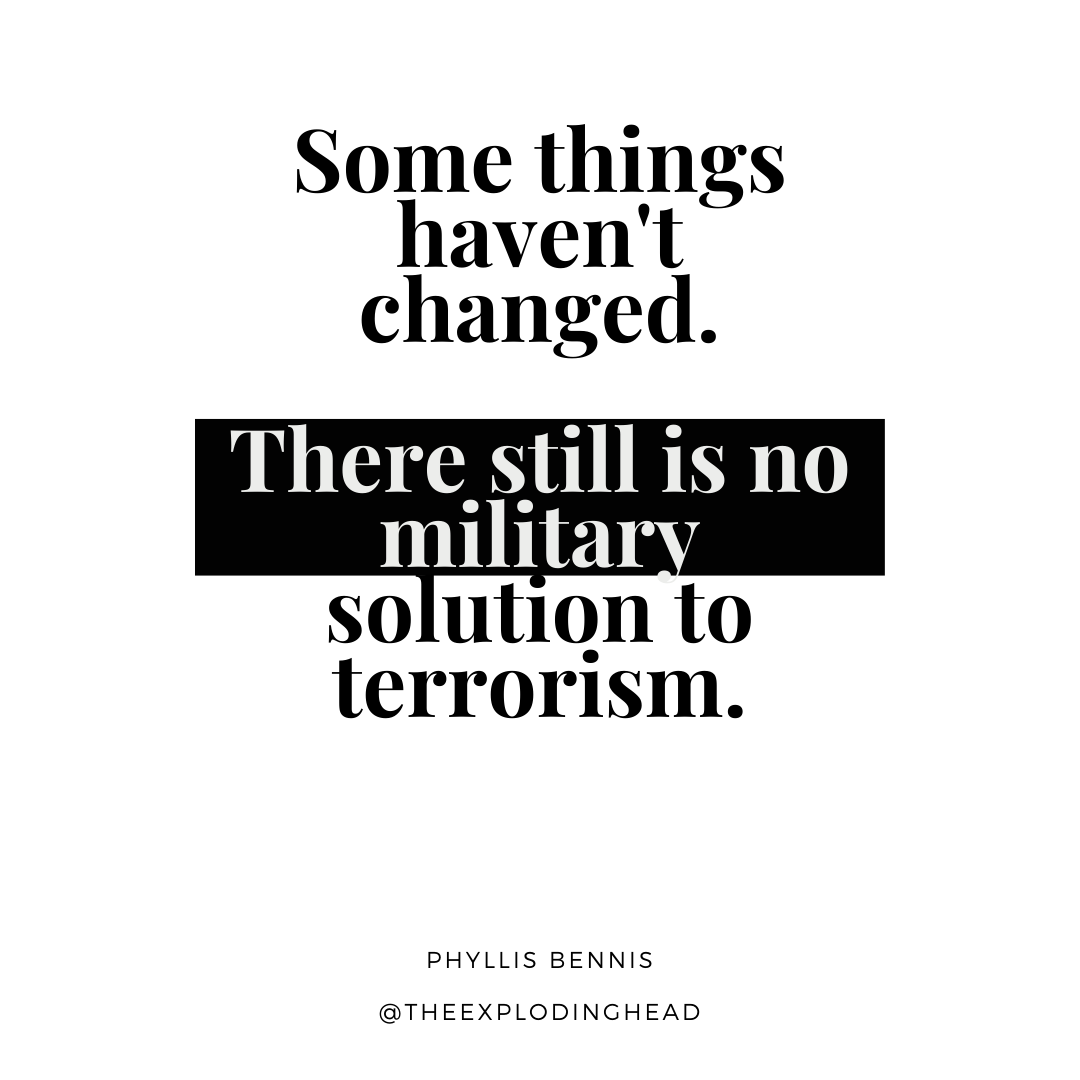
The grimmest predictions came true: Afghanistan is in an incredibly acute crisis.
More than 20 million people are experiencing food shortages and over 8 million are facing starvation.
Poverty is rampant and growing.
But that doesn’t have to be the story of Afghanistan – and there is one major move the U.S. can take here.
In my own piece that I’ve published here back in August 2021, I – just like the rest of the world – asked: What’s next?
Months later, we know what that “next” is. Reports on food shortages, poverty, and its healthcare situation all illustrate how horrific this crisis has been.
Both fortunately and unfortunately, it is a crisis the worst-case scenario of which can still be prevented — but only if the U.S. releases funds that Afghanistan needs so much.
Who’s holding the funds exactly, how could they be released, and what would that mean to the people of Afghanistan?
I have an excellent video for you that answers these questions and explains in detail what Afghanistan needs at the moment.
You will hear what Jan Egeland, secretary-general of the Norwegian Refugee Council, and Dr. Paul Spiegel, director of the Center for Humanitarian Health Services at Johns Hopkins University, have to say.
But before I proceed, a couple of quick remarks for this video to have more context.
One, the funds have been frozen since the Taliban took over; it is part of the U.S.’ efforts to sanction Afghanistan for having political leadership that, to put it mildly, it doesn’t like.
Two, no matter what your view of the Taliban is (my guess – and my hope – is: not favourable!), we have to remember at least three important things about sanctions:
- they can be considered a form of collective punishment, which is illegal under the International Law,
- historically, when applied to the whole country (that is, instead of targetting certain individuals), sanctions have the power to devastate economies and take a toll as high as human lives, for example, when access to food items and medicines gets restricted,
- in short, it is civilians, the ordinary people of a sanctioned country, that pay the price.
We know now that the U.S. has never been too worried about the people affected by its sanctions in the past. The struggles of ordinary people of Cuba, Iran, Iraq, or Venezuela never really meant much for any of the U.S. administrations.
Why? Because (1) the adverse impact of sanctions is something well researched and known to those administrations and (2) because those are always the same administrations that have the power to lift sanctions.
Thankfully, the pressure for the U.S. to release funds to Afghanistan is increasing and we can do our small part by contributing to it.
Please see if there are any petitions by organisations you follow in your own country and please sign a petition that my organisation, CODEPINK, has for this specific action.
There’s also my own episode on what’s happening with the Afghan funds that you can listen to here and below:
Latest from the Blog
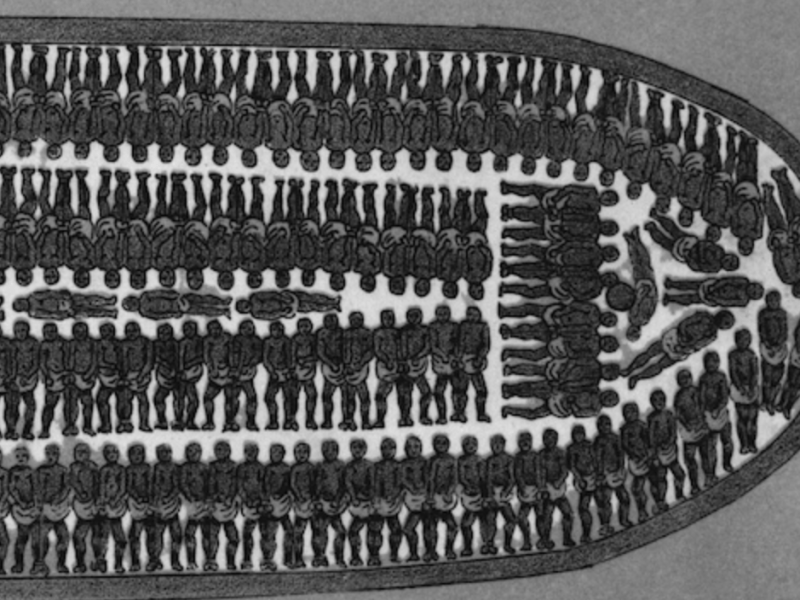
On One of The Gravest Crimes against Humanity That Not Every Country Chose to Condemn at The UN
The UN just voted to describe the transatlantic slave trade as ‘the gravest crime against humanity’. Yet not every country, according to its vote, agrees. My commentary is on what the abstentions show.
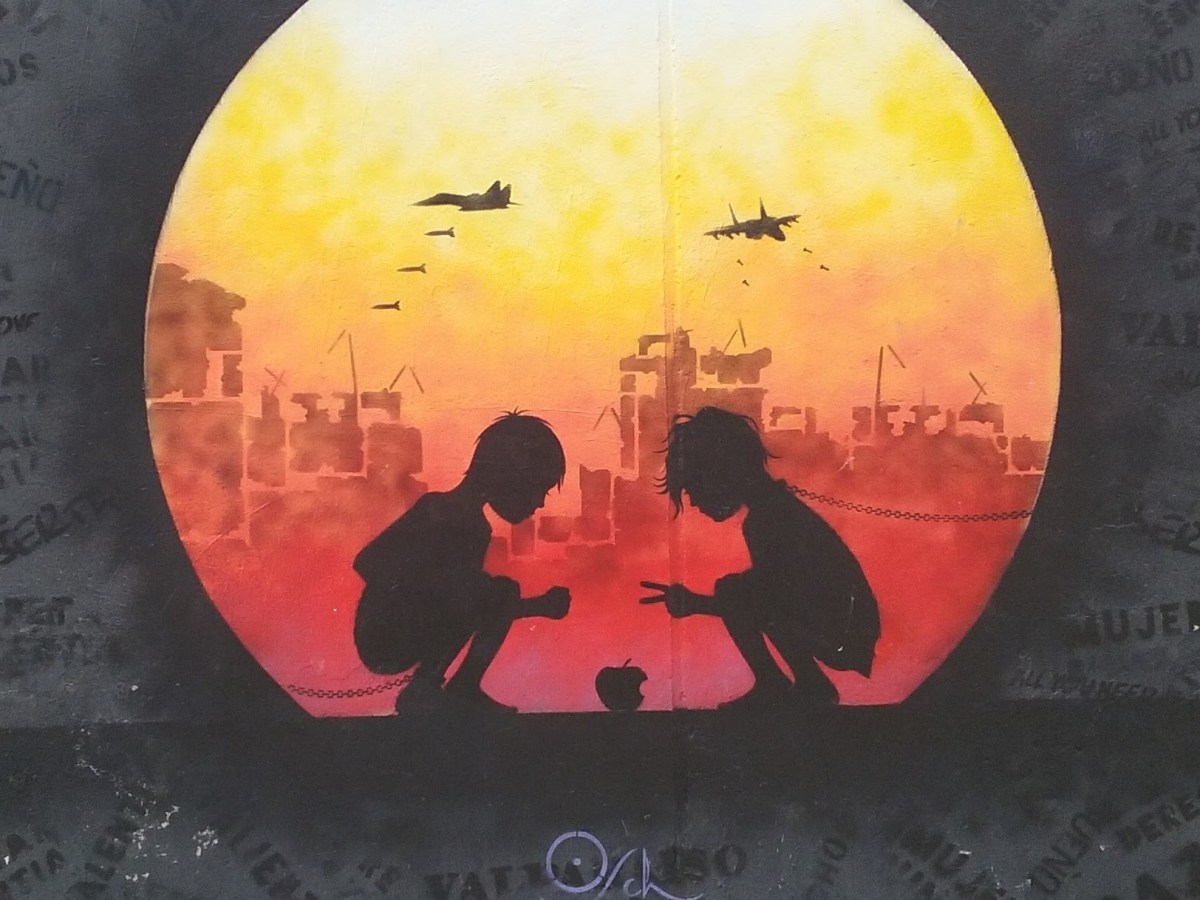
Your Antiwar Voice Is Needed More Than You Might Think
The war machine won’t stop until it’s stopped, just as its propaganda won’t just disappear on its own. It was to be actively pointed to, deconstructed, and rejected as loudly as possible. And this is where everyone’s voice matters.
Good News: We Are on a Boat Ride Together; Bad News: It’s Being Steered by Psychopaths
We’re on a boat steered by psychopaths — and they’re not taking us anywhere nice. As the U.S. and Israel are destroying Lebanon and Iran, one thing can’t be clearer: it is the whole world that has to make them stop.
There Are Those Who Celebrate Women’s Day and Cheer for the Bombing of Schools
Using the “liberation of women” is not new when it comes to justifying the unjustifiable. Notice how it is used again in Iran, including by those who are known to intentionally harm women and children.
MY Country Stands with Fascist Regimes. What about Yours?
Let’s normalise talking about the secondary rage and grief you might be feeling seeing your government appease, bow down to, and support fascist regimes
From Iran to Palestine: Beware Those Who Say They Liberate Children by Bombing Schools
Israel has been murdering children in Palestine and Lebanon for decades. Now, it has chosen to murder children – under the guise of regime change – in Iran.
From Cuba to Palestine: Beware Those Who Seek to See Hospitals Run Out of Fuel
What we’re seeing in Cuba is an intensification of imperial violence by those who have been unleashing it on Palestine, too. The parallels here are many, including how the mentality of a coloniser cannot be more on display here.
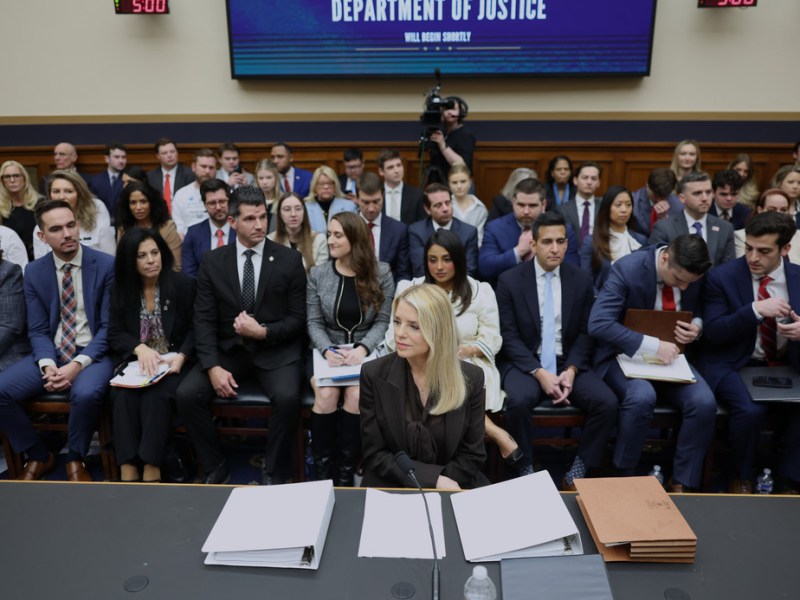
Have You Witnessed Democratic Mechanisms Being Eroded on Live TV? Here’s An Example
If you couldn’t believe what you were seeing during Pam Bondi’s, the U.S. Attorney General’s testimony in a House Judicial Committee hearing on the Epstein files, here’s how to make sense of it. It’s also why it is terrifying.
From Palestine to The Epstein Files: Will You Demand Justice or Embrace Collective Amnesia?
It is not only the violence by the ones in power that the Epstein files resemble Israel’s destruction of Gaza – it’s about the (potential) collective amnesia, too.
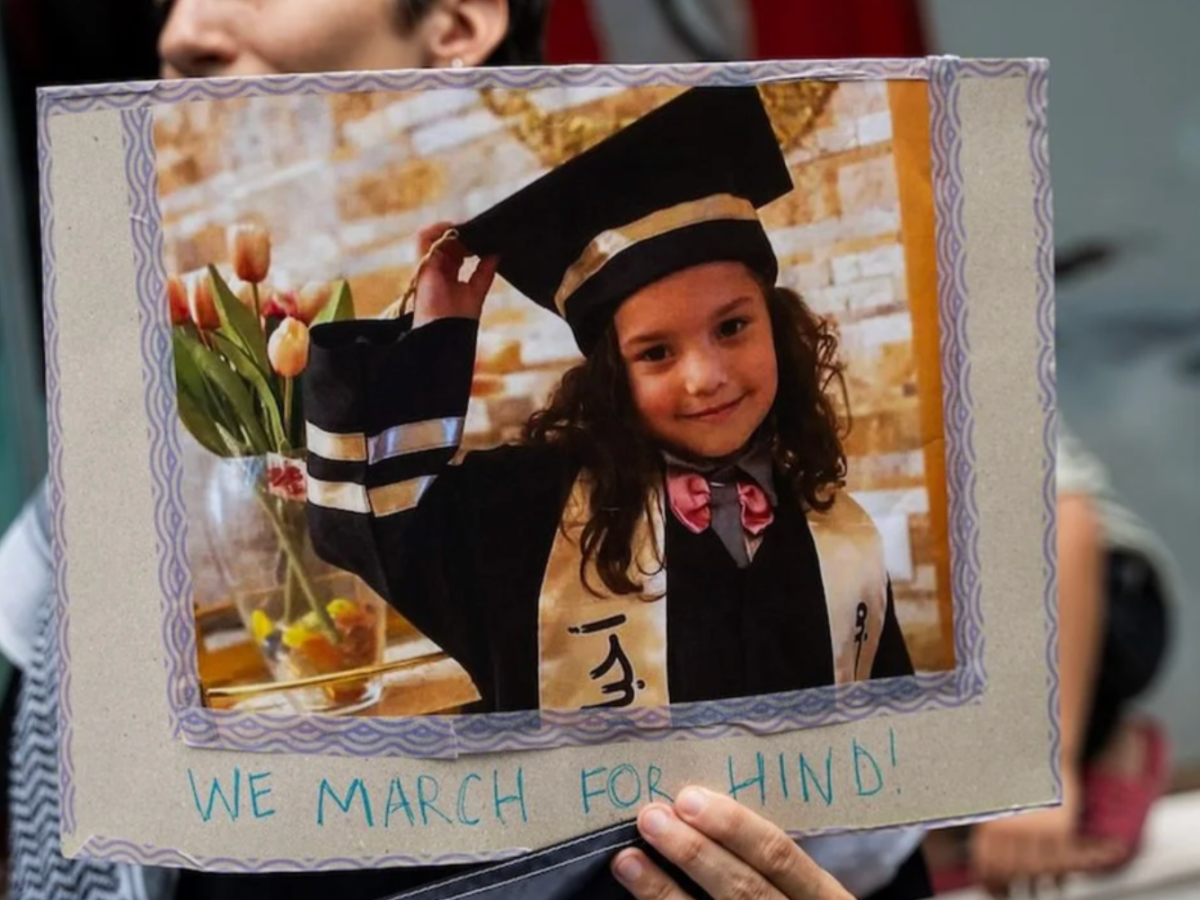
How Fascist Regimes See Growing up, Standing up for People, and Writing Poems as Threats
Hind Rajab was killed by Israeli forces two years ago today – and that is one of the threads of history that I talk about in my essay-like video. It’s about fascism, its victims, the heaviness of witnessing these horrors, and how we can move forward.
Don’t miss an update! Follow The Exploding Head
Get new content delivered directly to your inbox.
 The Exploding Head Media
2 thoughts on “Afghanistan: U.S. Principles vs. Poverty and Starvation”