Oh my. Did you hear?
Afghanistan, you mean? Yes.
Somber conversations were taking place this weekend and we’re seeing an avalanche of analyses in various media outlets this week.
The Taliban has taken power in Afghanistan. It finally happened and it’s terrifying.
But what’s next?
To answer this question, we have to look not only into the future but very much into the past, too.
- Who created the Taliban?
- Who supported it?
- How did it change, as a political force, throughout the years?
- What’s the role of the US in all this and, more importantly, what are the ways in which it can now start actually helping the Afghan people?
- Can we recognise the Taliban as a ruling force? Wha happens if we do and what happens if we don’t?
- What are the best ways to help the Afghan people now?
Before I present an in-depth analysis of all of this, let me first point to an important difference in concepts here.
Nation-building can be seen as one colonial/imperialist concept.
If “Let us form a certain type of society and government for you…” sounds a bit (white)supremacist, that’s because it is.
Post-war reconstruction and humanitarian aid is a different thing, albeit also not without its criticisms.
The first one failed. The second one can – and should, if we care for the Afghan people – happen.
But how exactly? What would be needed?
I’m very proud to present an emergency webinar put together by CODEPINK, an organisation I have joined recently and am always excited to share what their experts have to say.
This is one long and in-depth conversation. I hope you enjoy.
(You can also listen to it on Spotify!)
Also, if you are wondering how you can actually help the people of Afghanistan, here’s one way:
Please consider donating to our fundraiser the funds of which are already going towards airlifting vulnerable women out of Afghanistan.
This is not the first time CODEPINK is providing this kind of assistance to Afghan women but we need your help to do it again.

Latest from the Blog

An Interview with Amy Goodman from Democracy Now! That You Cannot Miss
Amy Goodman is a living legend. Her independent media work, her courage, her dedication to amplifying the voices of those who have been silenced, and her love for the world is an example to us all — and an invitation to speak out and uplift each other. Watch this amazing conversation with her now.
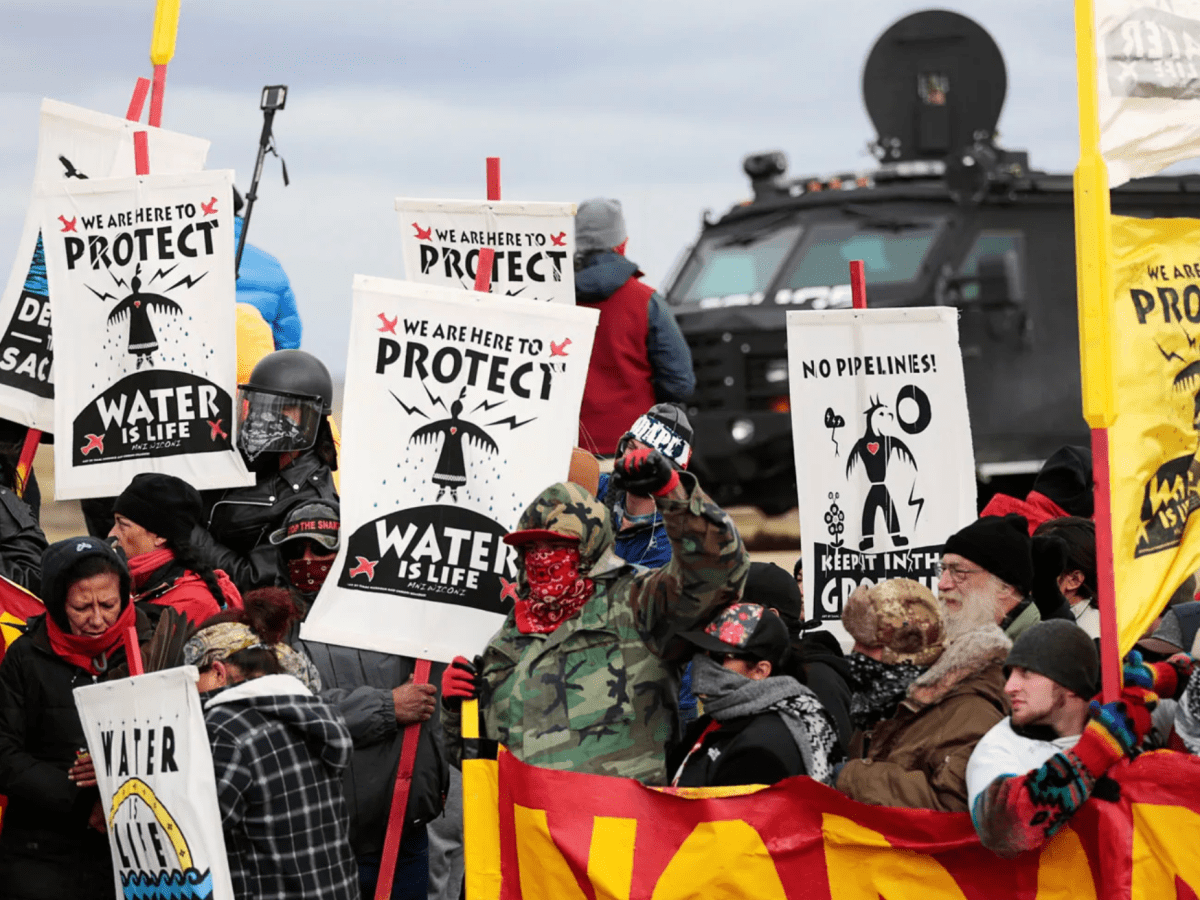
Indigeneity As The World Is Burning: We Can Either Watch The Fire, Or We Can Put Out The Centuries-Old Flames Together
On International Indigenous People’s Day, let’s not romanticise nor dismiss the struggle that will, in the end, liberate us all.
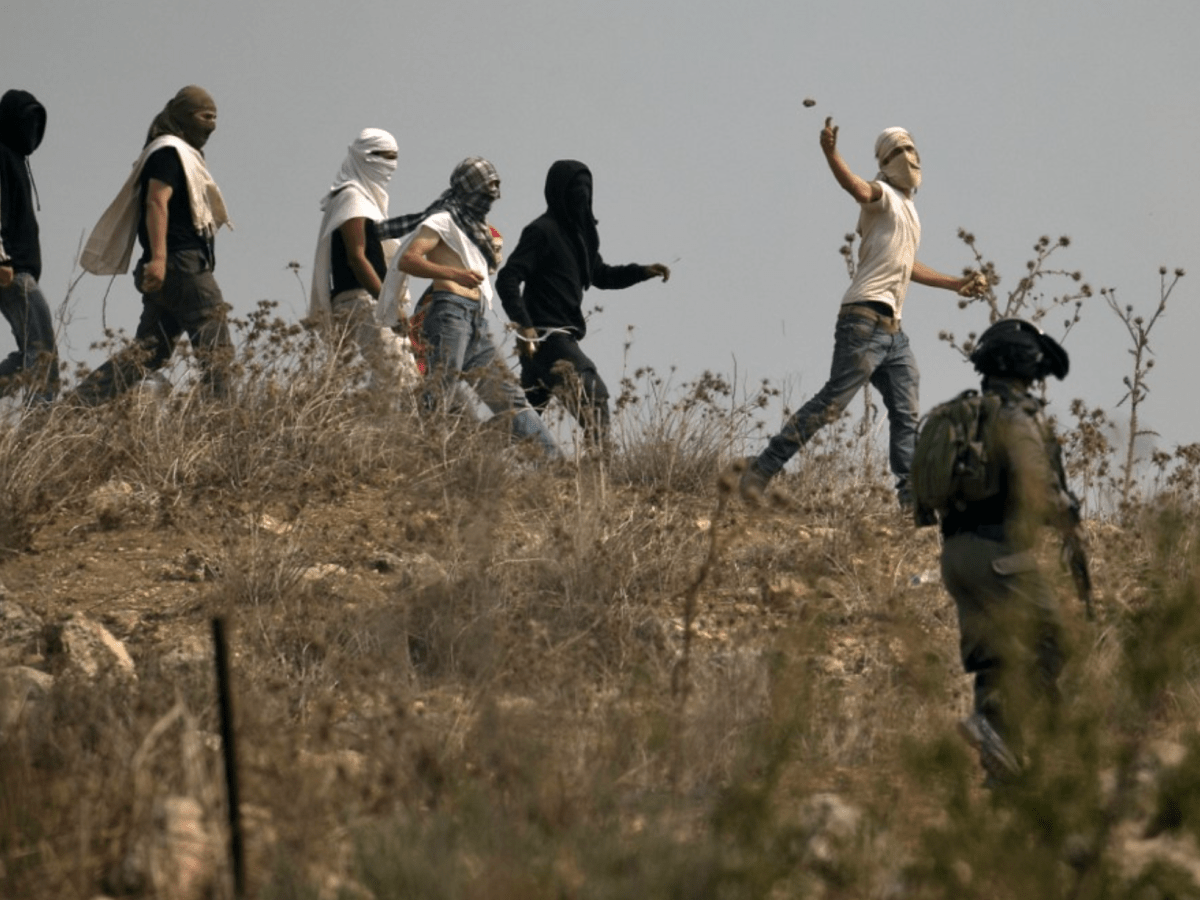
Settler Violence, State Violence: The Daily Terrorism in Palestine
Settler violence is state violence, and it has been on the rise in the West Bank for years. See and speak out against the intensification of pogroms that we’re seeing here now, after one specific deadly attack near Nablus.
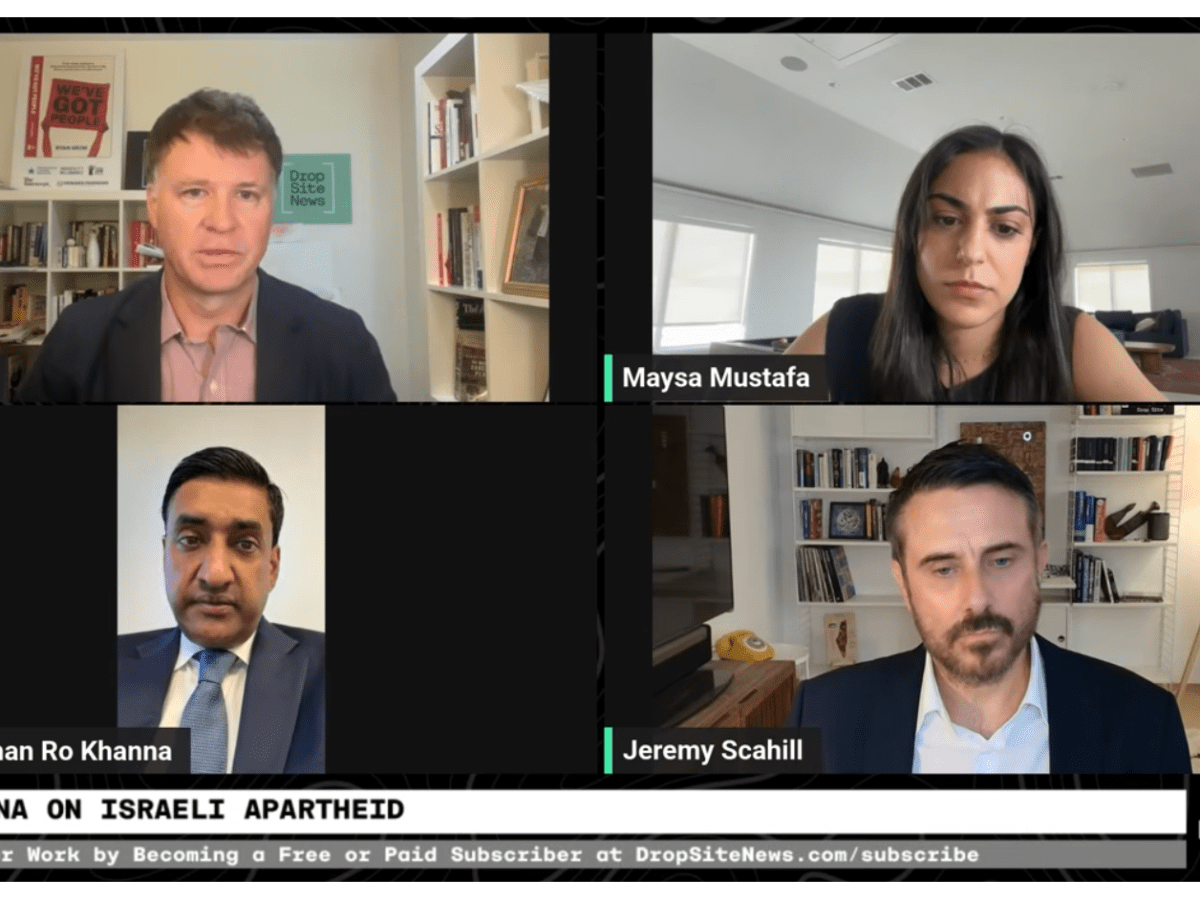
A Must-Watch Interview on Palestinian Armed Resistance and Israel’s Iron Dome
This interview is an absolute must: Jeremy Scahill talks to Senator Ro Khanna about the U.S.’s continuous support for Israel and whether Palestinians, too, have the right to armed resistance. It reveals so much of what we have been seeing: one’s unwillingness to bring full accountability to the Israeli regime.

On Dr. Hussam Abu Safiya And The BBC’s Irresistible Desire to Quote Israel
We’ve had enough of the propaganda of the occupier being repeated by the legacy media. And when it still gives airtime to unsubstantiated claims by the Israeli government regarding Dr. Hussam Abu Safiya even as his life is at risk, we should be enraged.
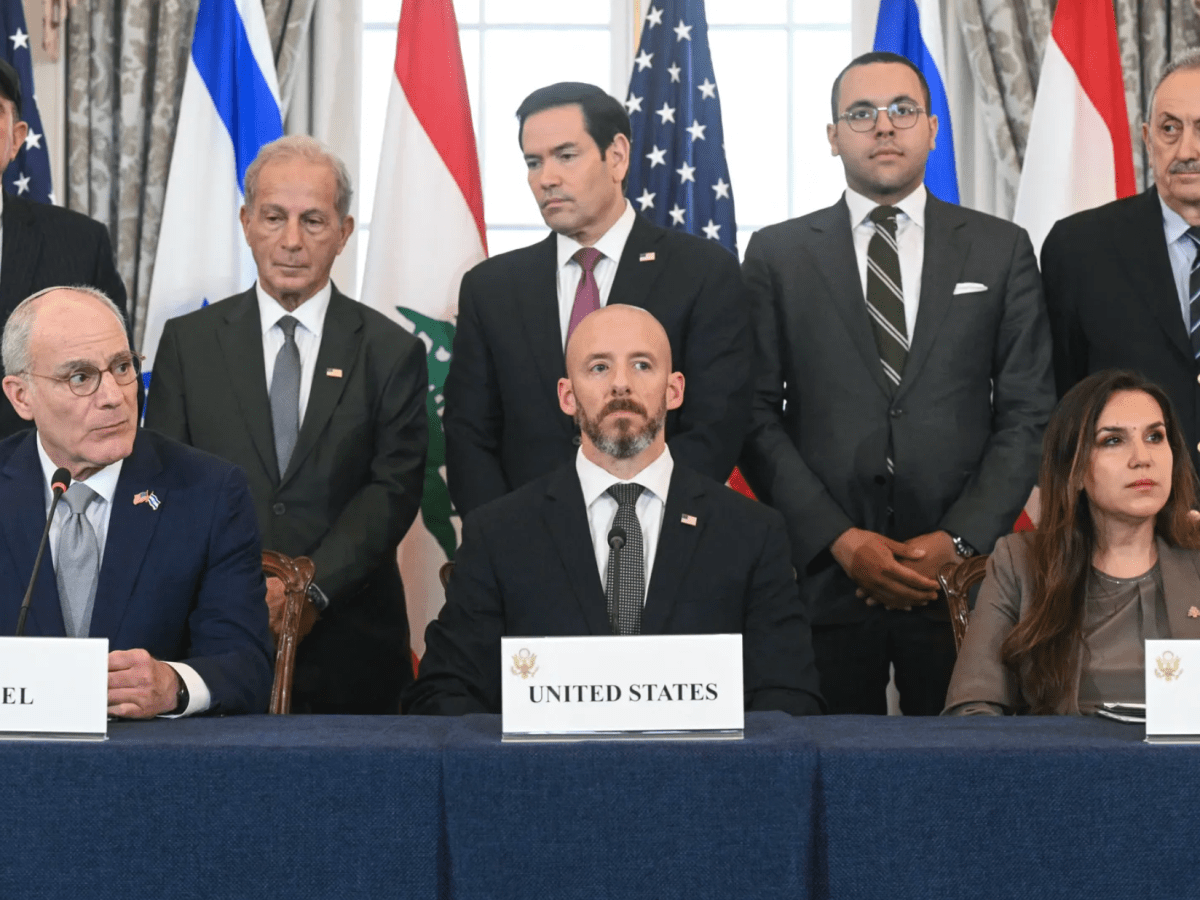
How to Make (No) Sense of The New Lebanese Agreement with Israel
As the Lebanese government signs an agreement with Israel, seemingly disregarding the leverage Iran is currently granting them, what does this all mean? What does it mean for Hezbollah, Lebanese resistance, and the future of the country itself?
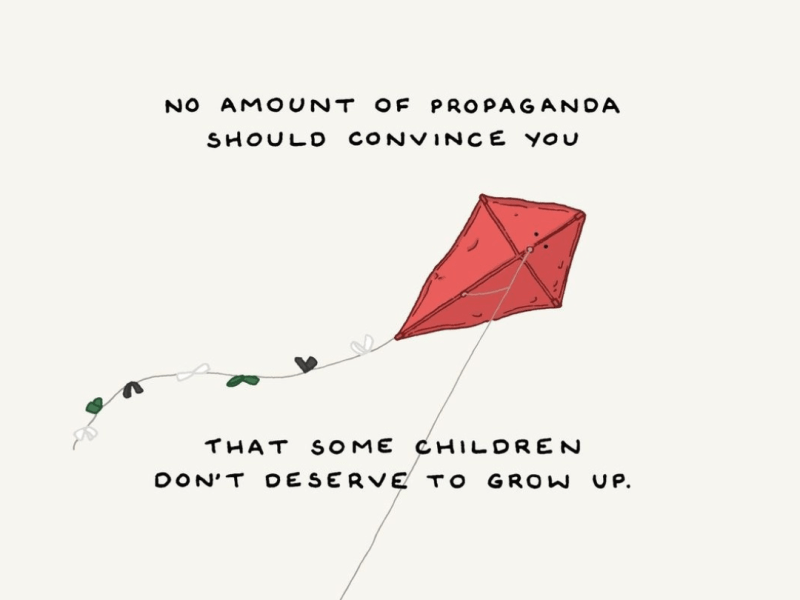
On The Targeting of Children And The Yoga to Treat One’s PTSD afterwards (The Zionist Universe)
In one universe, the army of the occupier is deliberately targeting children and continuing its genocide. In another universe, the same soldiers are portrayed in a way to evoke our compassion. Can you guess which one is a Zionist universe?
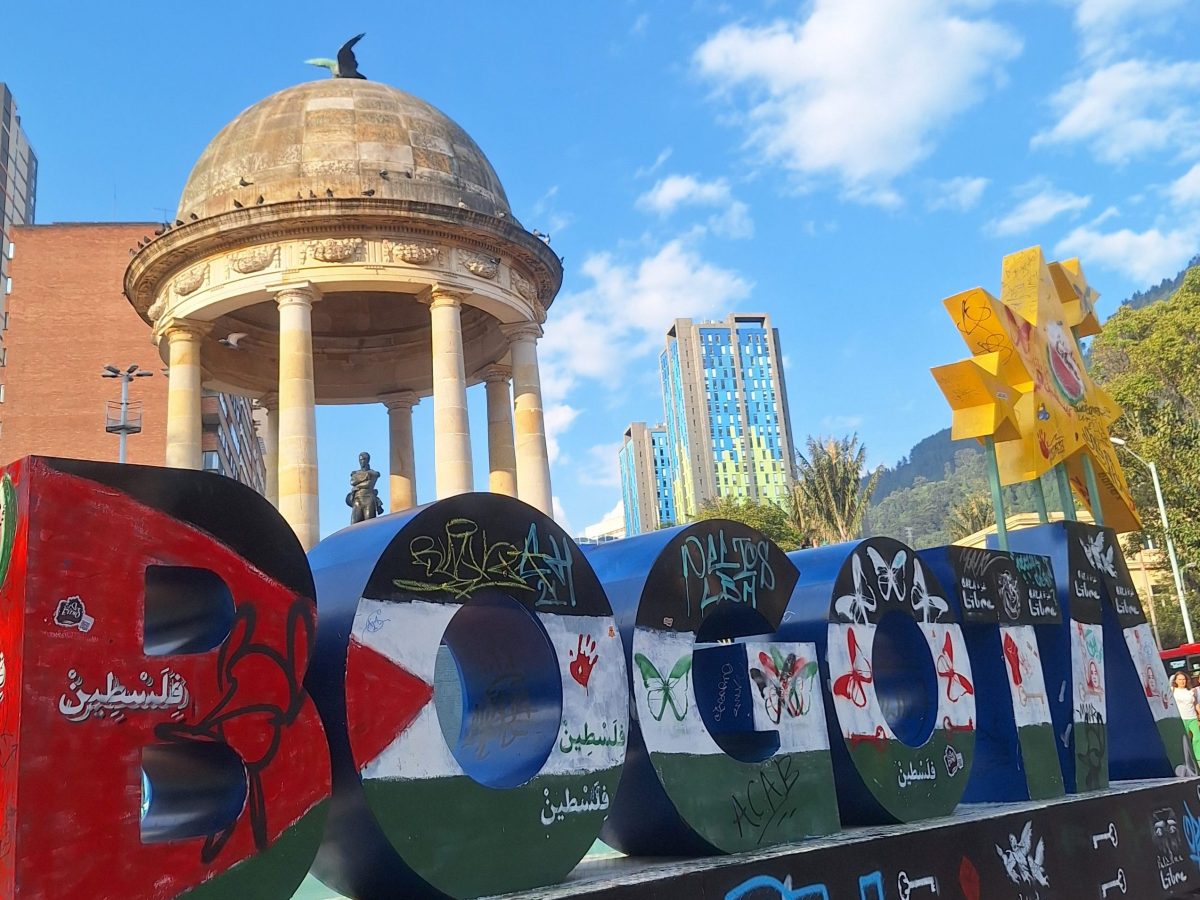
Where The Swings Between A Human-Centric and A Fascist Government Will Stop in Colombia
The results of the presidential elections in Colombia today will determine not only where the country is going, but whether the world will keep a loud anticolonial, anti-imperial, and antizionist government.
Dr. Hussam Abu Safiya and Palestinian Sumud in The Courts of The Occupier
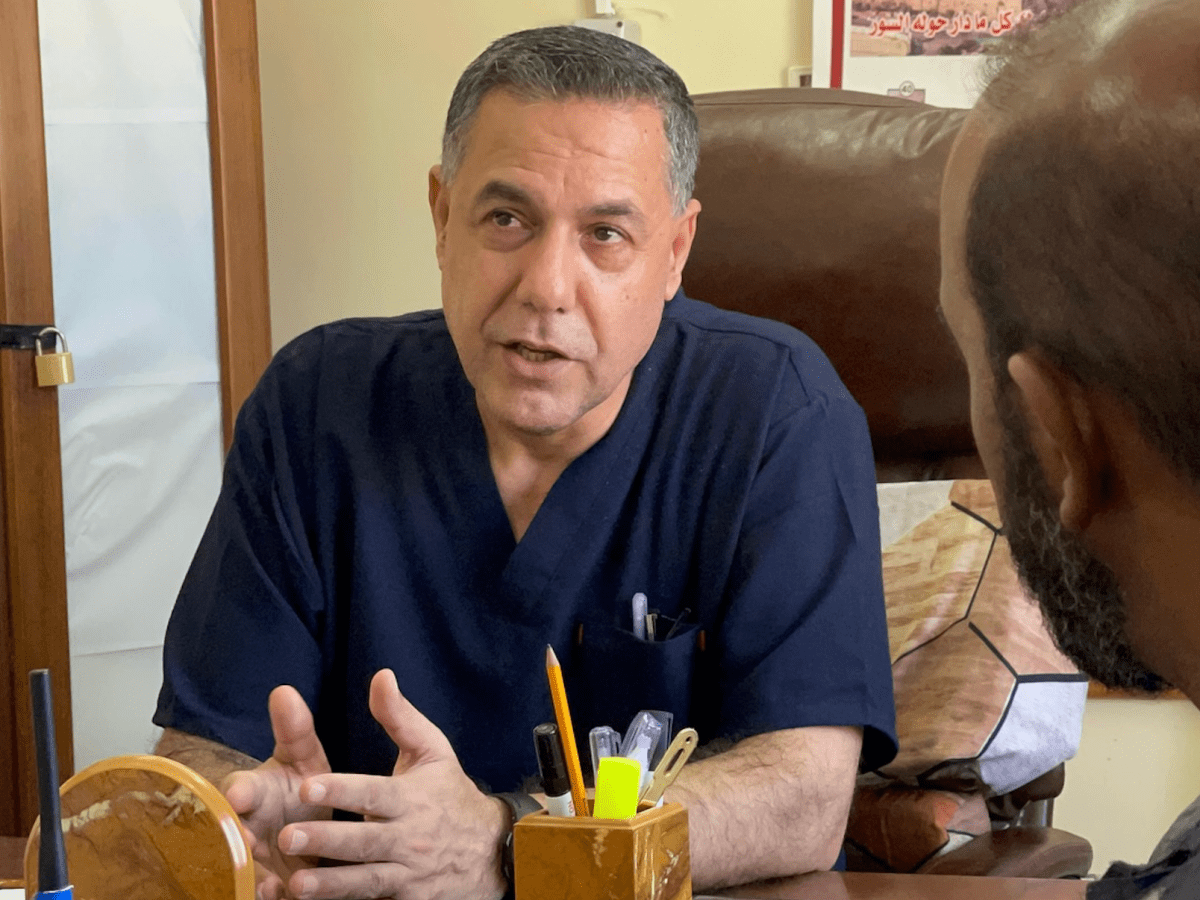
As Dr. Hussam Abu Safiya appeared via video in the Israeli Supreme Court, I invite you to name what we’re actually seeing: resistance against a fascist apartheid regime, enabled by our governments.
How The World Cup in a Fascist Country Looks, and How Nothing Can Be Expected of FIFA
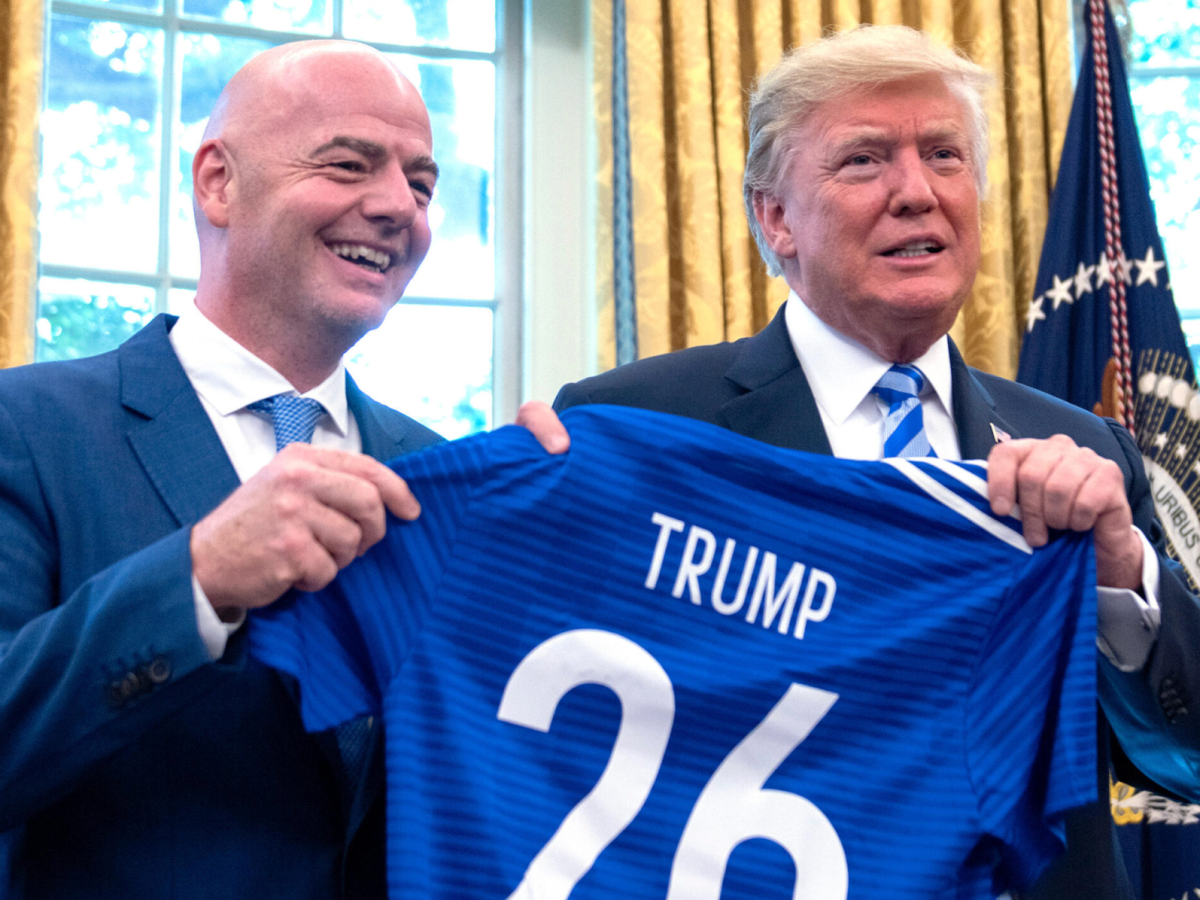
How the U.S. is treating athletes coming to compete in the World Cup would only be surprising to those who either don’t know too much about rise of fascism in the U.S., or the history of FIFA itself.
Don’t miss an update! Follow The Exploding Head
Get new content delivered directly to your inbox.
 The Exploding Head Media
One thought on “Afghanistan: What’s Next?”