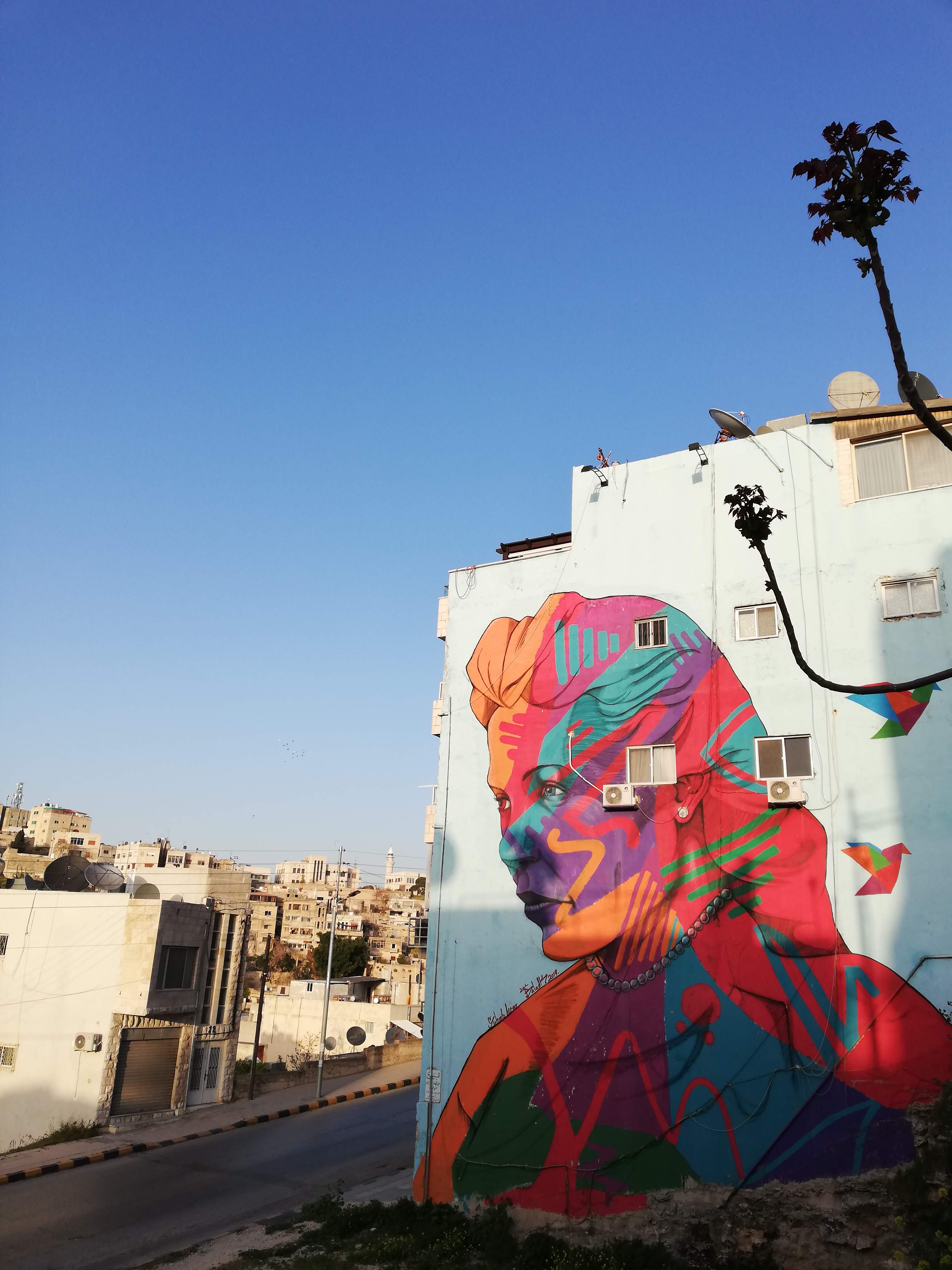
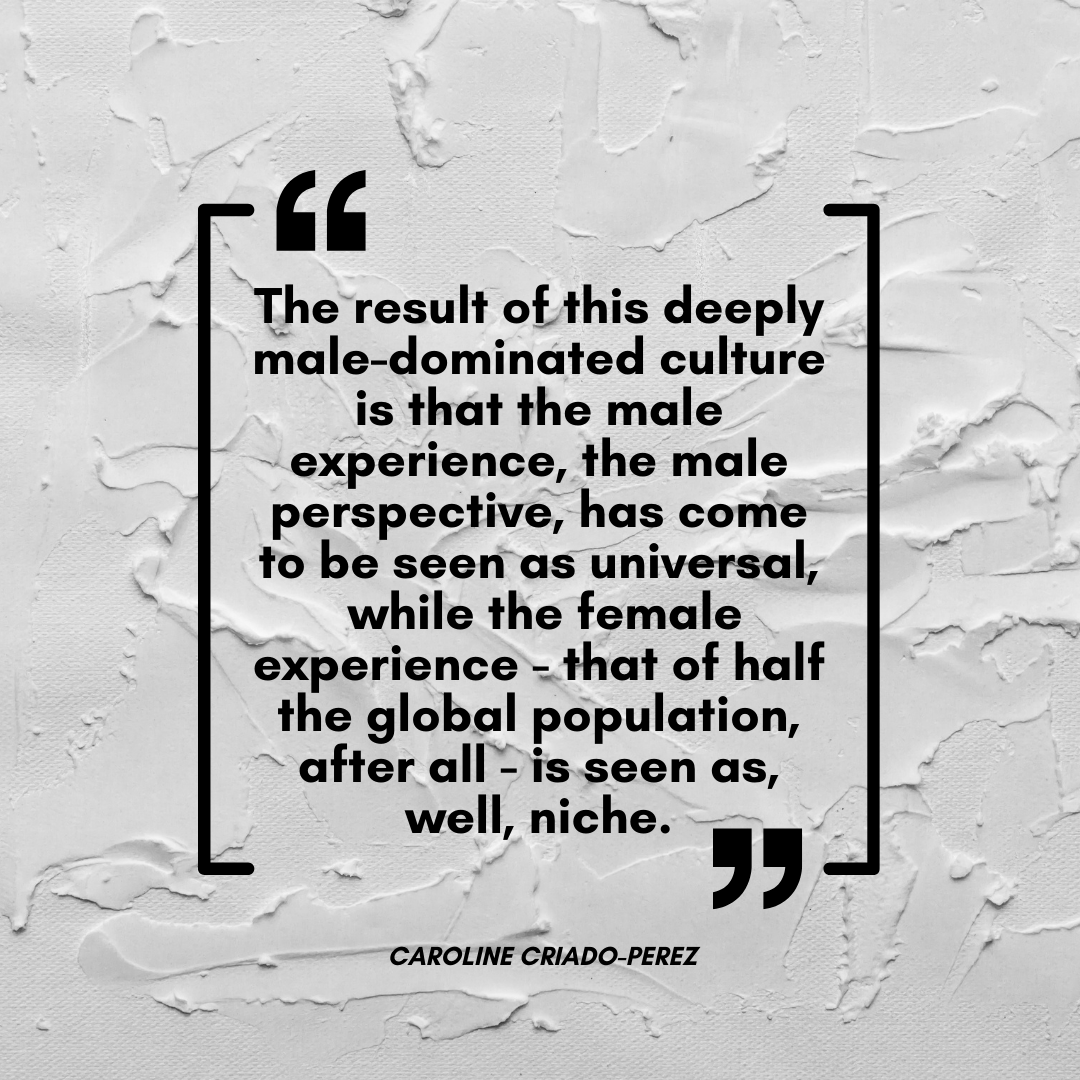
“Men are afraid that women will laugh at them. Women are afraid that men will kill them.” – Margaret Atwood
We’d like to believe that we’re all on the march towards gender equality and ending gender-based violence – and in a way, we are – but its setbacks are obvious and horrifying.
They’re about women’s rights to their bodies, to making their own choices, and to making those choices without fear for their safety.
What do I mean?
The examples are too many to name, but I think for many of us – especially when ‘us’ also happens to be women – it’s been difficult not to connect the dots between several stories that have been either in the news or maybe even dominating the news, depending on where you live.
In Jordan, Iman Rashid, a nursing student, was fatally shot on her campus by a male gunman in Amman.
In Egypt, Naiyera Ashraf, an art student, was beaten and killed in front of her university by a fellow student after she rejected his marriage proposal.
Both Iman and Naiyera were only 21.
In Brazil, Gabriela Samadello Monteiro de Barros was attacked at her workplace by a male colleague against whom she had filed a complaint. In a horrifying video that went viral, Gabriela is seen being punched and kicked until she’s on the ground, with her female colleagues trying to protect her from the perpetrator.
I’m adding another example from Brazil, just some days after I originally published this article:
A pregnant woman was just sexually assaulted by her anesthesiologist as she was being given a c-section. Let me write this again: a pregnant woman was raped by a medic while giving birth.
In the United States, the Supreme Court has just overturned the Roe vs Wade decision, making abortions much more difficult – if not impossible – to access for literally millions of women.
What are these cases reminders of?
That no space is a safe space for a woman.
That an assault can come from anyone.
That a NO is a dangerous thing for a woman to say.
That a woman’s body cannot behave freely. And if it thinks it does, it will be punished.
Femicides, gender-based violence, and violence that comes from all the forms of patriarchal policies are very much real.
A woman who is killed for saying NO, a woman who is beaten for speaking out against inappropriate behaviour at work, a woman who dies because her government made it impossible for her to access abortion: these are all forms of violence.
Our governments can either act to eliminate it, do nothing and allow it to continue, or fuel it with various laws and lack of punitive measures.
So how are our governments doing?
And are we speaking out against it?
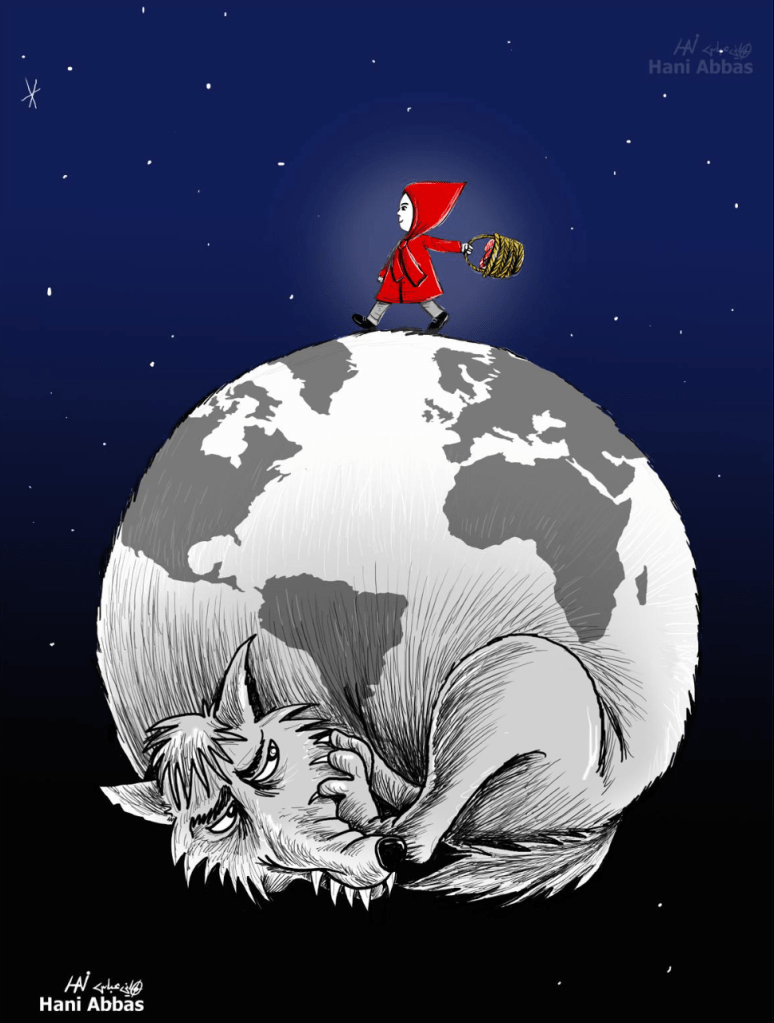
A cartoon by Hani Abbas, a Palestinian-Syrian political cartoonist
You can find my podcast episode on the importance of political representation and how women are often seen in politics here.
Added on July 27, 2022:
I have just watched Soula, an Algerian film that was shown at Amman International Film festival, and I feel it’s a great recommendation to go with this article.
If you have a chance, please watch it.
Subscribe to my articles below or check out and subscribe to my free newsletter on Substack!
Latest from the Blog

On Iran, (Ir)rationality, and Those Who Didn’t See Any Destabilisation of The Region in Israel’s Genocide
Remember when Iran used to be called an irrational, unpredictable actor? Well, I invite you to notice any changes when it comes to irrationality, constructed narratives, and how war propaganda looks these days.
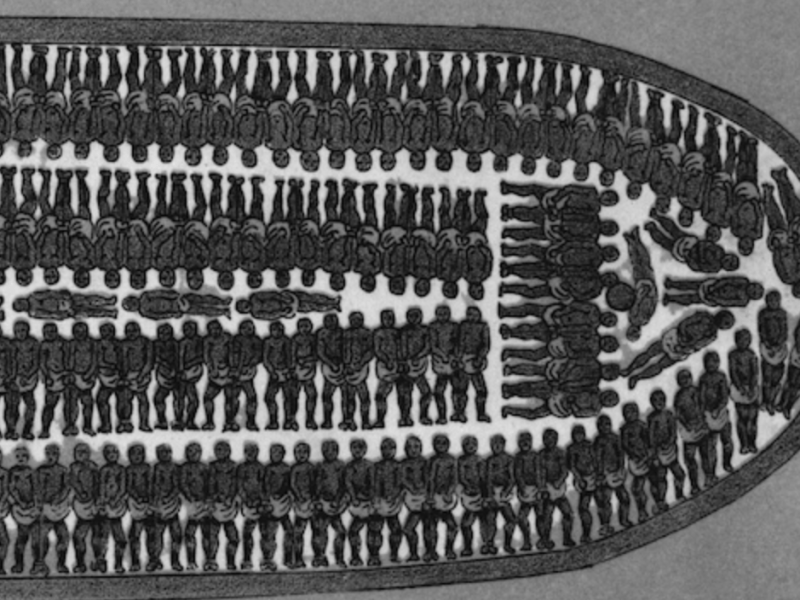
On One of The Gravest Crimes against Humanity That Not Every Country Chose to Condemn at The UN
The UN just voted to describe the transatlantic slave trade as ‘the gravest crime against humanity’. Yet not every country, according to its vote, agrees. My commentary is on what the abstentions show.
Your Antiwar Voice Is Needed More Than You Might Think
The war machine won’t stop until it’s stopped, just as its propaganda won’t just disappear on its own. It was to be actively pointed to, deconstructed, and rejected as loudly as possible. And this is where everyone’s voice matters.
 The Exploding Head Media
One thought on “Violence Against Women Is Very Much Real – And It Takes Various Forms”