
What do Indonesia, South America, Egypt, Spain, and some known political figures have in common?
We can talk about them when we talk about political prisoners.
This is what I do in my episode.
On my podcast, I like to talk about media freedom and freedom of speech, especially as one of the powerful lenses we can use to see how democratic countries we’d like to inspect are.
In a way, the concept of political prisoners points to the failures of countries to provide and secure these freedoms, together with other human rights, to their citizens. It becomes a good litmus paper to use to see where important cracks appear, and where our work – as learners, activists, and simply people who care – lies.
I cover a lot in my episode (hold on!):
- how this concept came about and what famous human rights organisation stemmed from it,
- why we can navigate the potential complexities of the very definition of a ‘political prisoner’ by using international law,
- examples of political prisoners we’ve had in the past,
- examples of countries that still have them,
- two answers to “But why should we care about political prisoners?”
- an invitation to take action – I also tell you why it matters.
I’m releasing this episode on April 5, which is the UN International Day of Conscience. Without shaming anyone by accident, I want to simply encourage us to reflect on how we see our own conscience: as individuals and as part of something bigger.
We’re also in the holy month of Ramadan, which is supposed to be a peaceful, beautiful, and lovely time for any family celebrating it. And yet,
“At a time when families should be gathering together [Ramadan], tens of thousands are separated from their loved ones in exile, wrongfully imprisoned or trapped under unlawful travel bans in Egypt and Saudi Arabia, unsure of when — or if — they will ever reunite with their loved ones.”
Andrea Prasow, Executive Director of The Freedom Initiative (now: part of Middle East Democracy Center)
If we can help a family to see their loved one, why wouldn’t we? If your sister, mother, brother, or partner was kept in prison by a hostile government, wouldn’t you like to know people from other regions care?
Let’s raise our voices — because they matter, and because we have seen them make a difference before.
Sources cited and resources to explore:
- UN findings on political prisoners in Spain
- International Covenant on Civil and Political Rights
- The Forgotten Prisoners, article by Peter Benenson
- Indonesian mass killings of 1960s, a video by Empire Files
- The story of Ramy Shaath, a released political prisoner
- Introduction to Operation Condor
- A book recommendation on Operation Condor
- The story of the former Brazilian President, Dilma Rousseff
- The story of a Russian man who got a prison sentence for his daughters’ antiwar drawing
- Learn about Belarusian political prisoners
- The story of Khalil Awawdeh, a Palestinian prisoner who went on a hunger strike
- Lost Yet Connected in Time: Brown, Peltier, Melaku-Bello, Abu-Jamal, and Assange, a beautiful article by Priti Gulati-Cox
- Assange Defense, a campaign to free Julian Assange
- The Freedom Initiative
- Amnesty International
- Free Alaa Campaign
Article art by Natasha Garlukovich
Subscribe to receive my articles directly to your inbox here:
Latest from the Blog
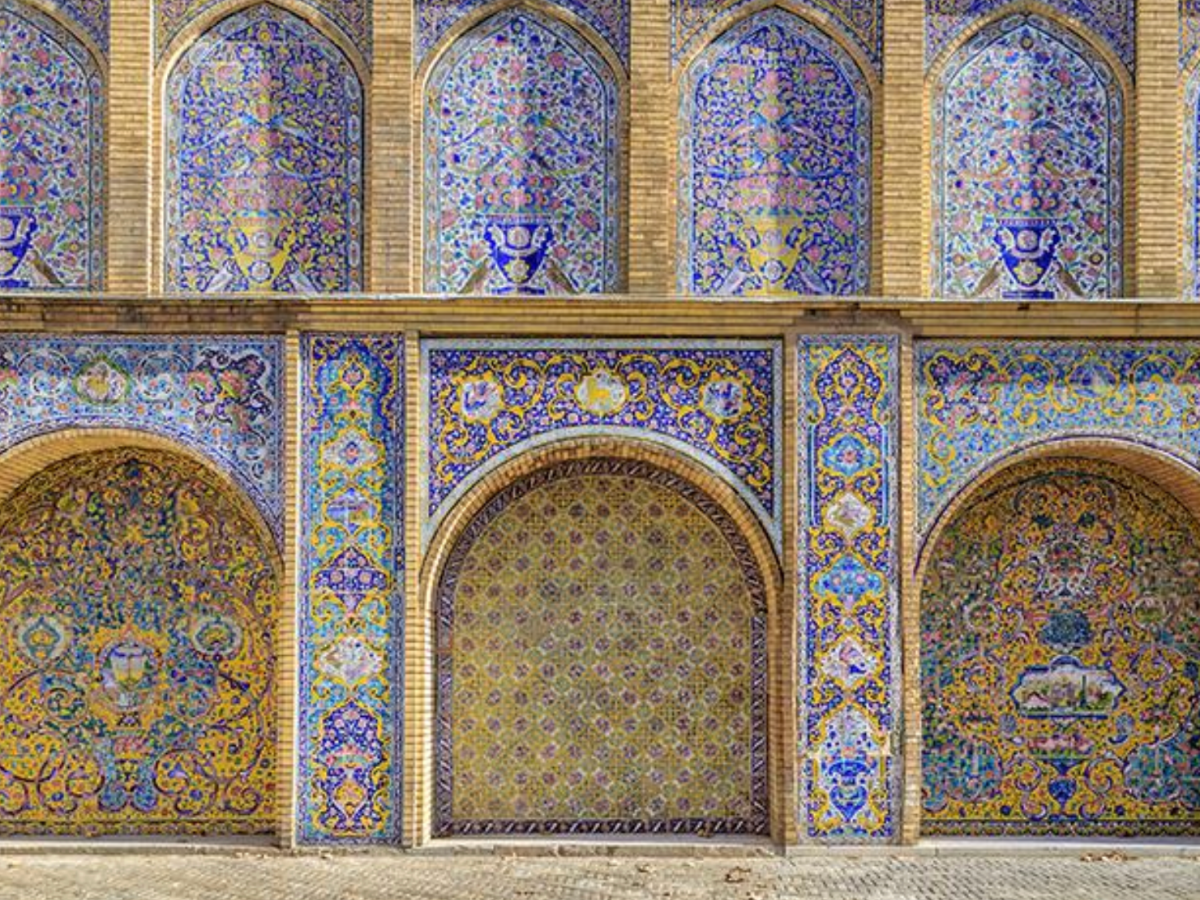
On Iran, (Ir)rationality, and Those Who Didn’t See Any Destabilisation of The Region in Israel’s Genocide
Remember when Iran used to be called an irrational, unpredictable actor? Well, I invite you to notice any changes when it comes to irrationality, constructed narratives, and how war propaganda looks these days.
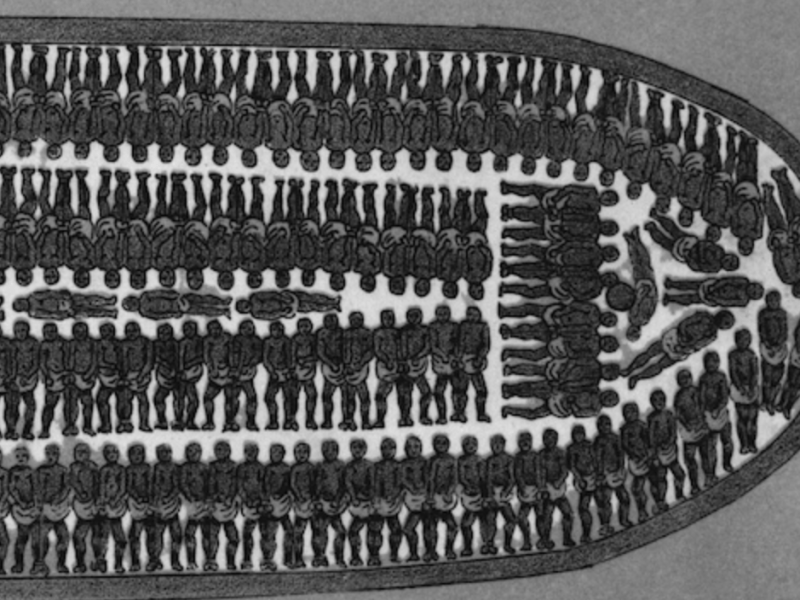
On One of The Gravest Crimes against Humanity That Not Every Country Chose to Condemn at The UN
The UN just voted to describe the transatlantic slave trade as ‘the gravest crime against humanity’. Yet not every country, according to its vote, agrees. My commentary is on what the abstentions show.
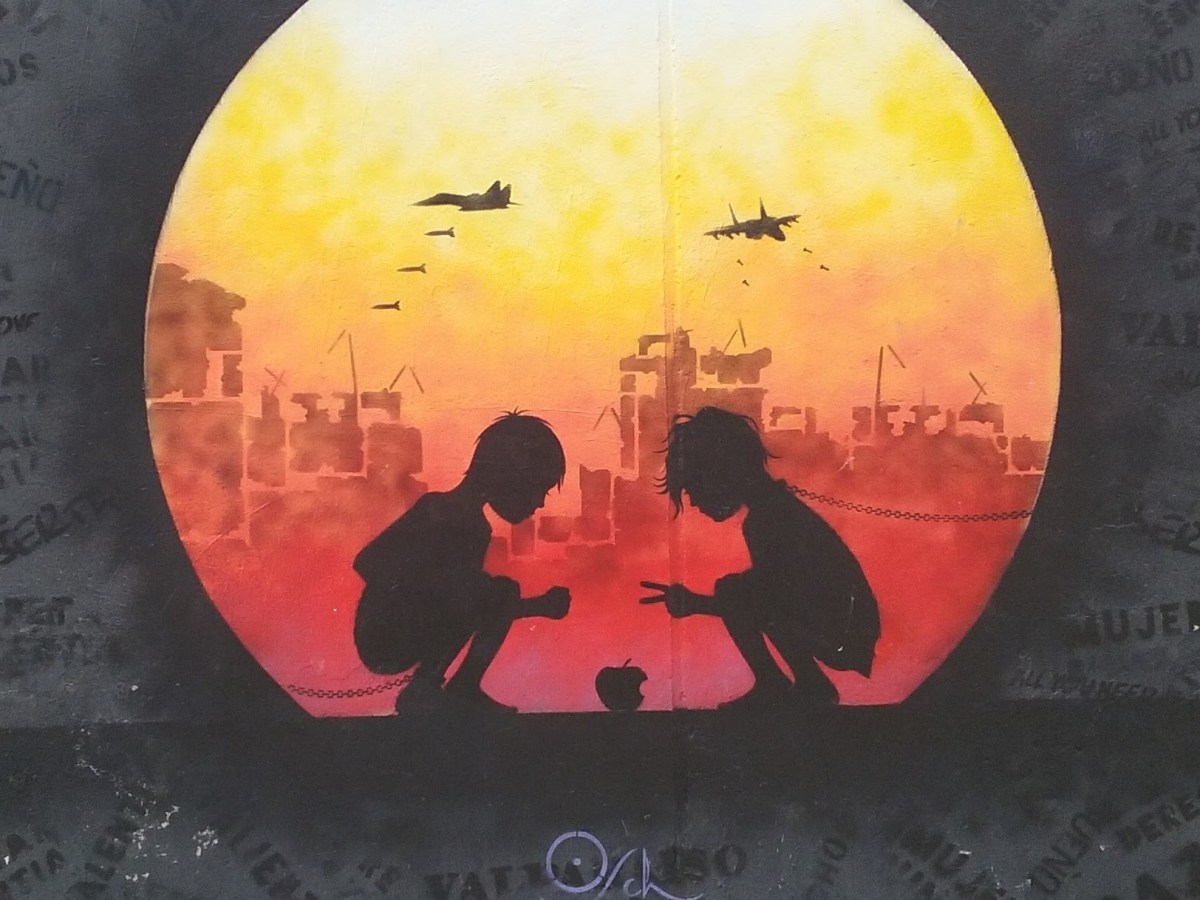
Your Antiwar Voice Is Needed More Than You Might Think
The war machine won’t stop until it’s stopped, just as its propaganda won’t just disappear on its own. It was to be actively pointed to, deconstructed, and rejected as loudly as possible. And this is where everyone’s voice matters.
 The Exploding Head Media