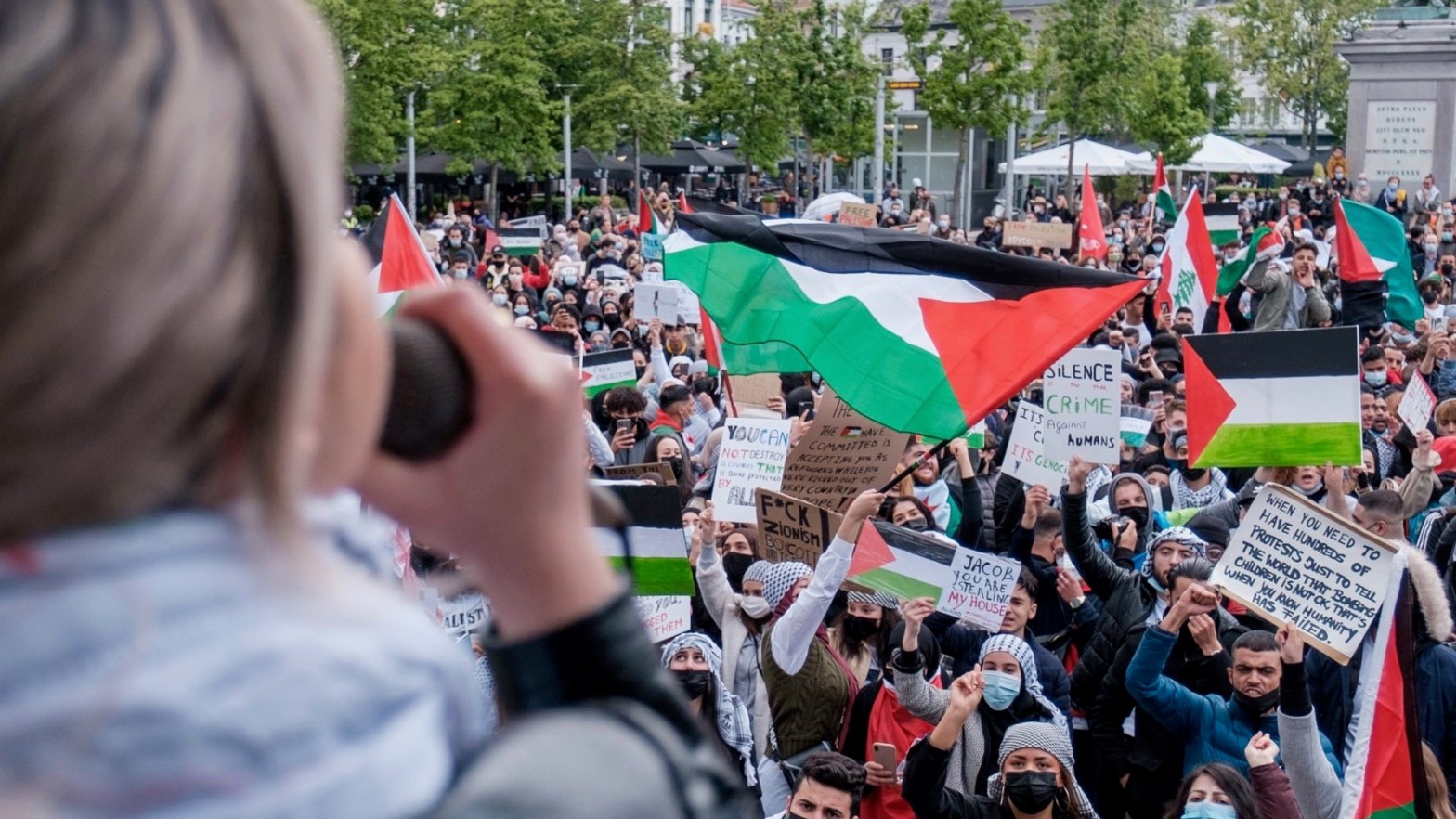
How does one get in trouble?
When it comes to Israeli politics, it’s not by disregarding International Law and committing war crimes, but by criticising these crimes.
What sparked this article was a specific piece of news: after Caroline Gennez, Belgium’s Minister for International Development, told a Flemish newspaper something the Israeli government didn’t like, Israel summoned the Belgian ambassador to address those remarks.
In her interview, Gennez said:
“Entire villages are being wiped off the map by the Israelis. The periods of escalating violence are shorter than before, but more frequent and more intense.”
What she expressed to the Flemish newspaper is exactly what we’re seeing when we look at the Israeli policy, military raids and settler attacks this year. Most importantly, it’s simply what the reality for Palestinians, including their youngest ones, has been this year:
- “The Israeli military and border police forces are killing Palestinian children with virtually no recourse for accountability.
- Israeli forces should end the routine unlawful use of lethal force against Palestinians, including children. Israel’s allies should increase pressure to end the practice.
- The UN Secretary-General should list Israel’s armed forces in his annual report on grave violations against children in armed conflict for 2023 as responsible for the violation of killing and maiming Palestinian children.“
This is what Human Rights Watch wrote in their report-like article released this August.
What Gennez did, essentially, is say the quiet part out loud.
And here I must say that I understand that diplomats and their language are always scrutinised. Language matters and should be used responsibly.
But when you’re referring to ethnic cleansing practices (demolitions of houses and yes, entire villages), systemic violence, and a system of apartheid that all major human rights organisations and their legal teams have acknowledged, that language can only be strong. Or should be at least, if you understand how unjust, violent, and simply immoral it all is.
And then, I invite you to notice how it is the ones who speak out against this violence who are scrutinised and not the ones inflicting that violence onto a marginalised and imprisoned population.
Some countries have taken that scrutiny to a new extreme and Germany might be the prime example. Here, the silencing of voices standing up for Palestinian rights (also known as human rights, right?) has been intensifying, taking the shape of criminalisation.
This May, we saw a violent crushing of a peaceful commemoration of the Nakba, a symbolic date in the ongoing ethnic cleansing of Palestine, in Berlin. You can see Adam Broomberg, a Berlin-based artist, educator, and activist from South Africa, being violently arrested in the video below.
“The right to demonstrate is a human right. But it wasn’t even a demonstration, it was a commemoration”, Adam says in the video.
What is the extent of this silencing and what kind of narrative is the German state constructing? It’s that these actions are plainly antisemitic, even when organised by activists who are Jewish, like Adam himself.
One can wonder if it can get any more Orwellian than this.
Yet equating Zionism and Judaism and then accusing anyone criticising Israeli state policies – or simply saying Palestinians have the right to live in dignity – of antisemitism is, luckily, an old and known technique that is losing its power around the world, I dare to say.
But it can only continue losing its power when we speak out.
While diplomats have their governments to respond to, we, “the masses”, don’t.
While politicians have to shake hands with those who have consciously designed a system of apartheid to oppress its minorities, we don’t.
While ambassadors have to go to art festivals organised by governments whose forces have killed 44 children this year alone with impunity, we don’t.
And if we don’t speak out against oppressive regimes that can impose forms of collective punishment on the populations they are illegally besieging, I don’t know what we’re doing here and whose scrutiny WE are trying to avoid.
Justina
Find all of my articles and podcast episodes on Palestine here.
Receive my work directly to your inbox:
Latest from the Blog
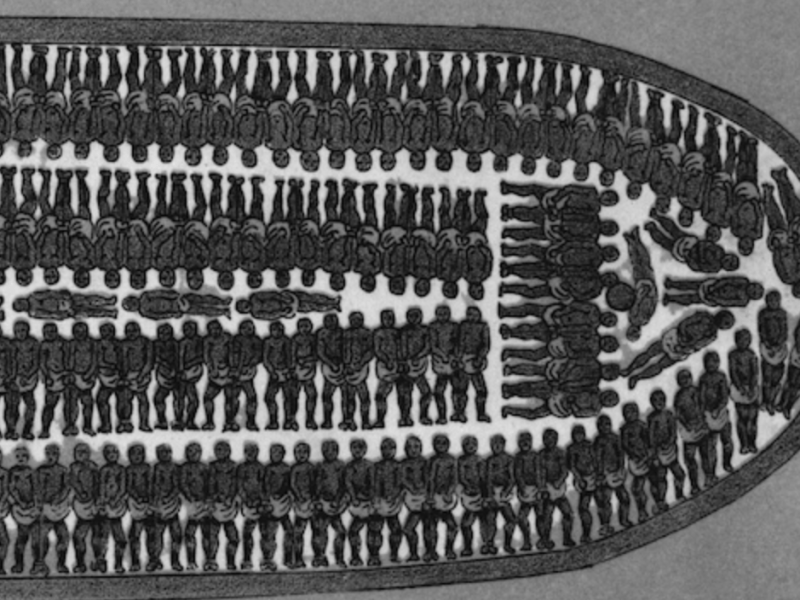
On One of The Gravest Crimes against Humanity That Not Every Country Chose to Condemn at The UN
The UN just voted to describe the transatlantic slave trade as ‘the gravest crime against humanity’. Yet not every country, according to its vote, agrees. My commentary is on what the abstentions show.
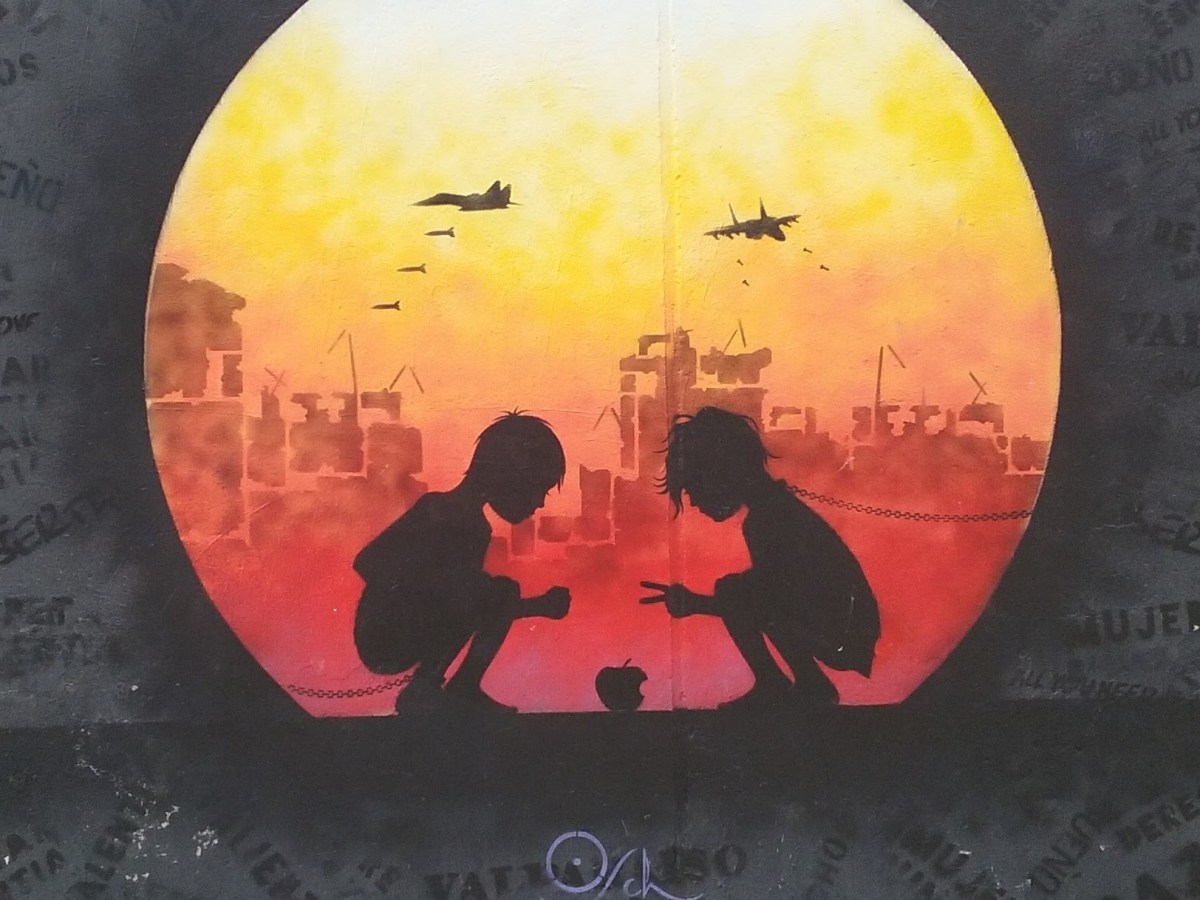
Your Antiwar Voice Is Needed More Than You Might Think
The war machine won’t stop until it’s stopped, just as its propaganda won’t just disappear on its own. It was to be actively pointed to, deconstructed, and rejected as loudly as possible. And this is where everyone’s voice matters.
Good News: We Are on a Boat Ride Together; Bad News: It’s Being Steered by Psychopaths
We’re on a boat steered by psychopaths — and they’re not taking us anywhere nice. As the U.S. and Israel are destroying Lebanon and Iran, one thing can’t be clearer: it is the whole world that has to make them stop.
 The Exploding Head Media