
They knocked at our front door and my father went to open it. They shot him dead from behind the door and then they shot him again.
Then one American soldier came in and shot at us all. I pretended to be dead and he didn’t notice me.
a testimony from City of Widows: An Iraqi Woman’s Account of War and Resistance, a book by Haifa Zangana
This is what they don’t teach you in political science classes: how, if you’re powerful enough, you can invade and destroy a country and face no consequences for it.
The 20th anniversary of the Iraq War is another reminder of how much impunity there is when it comes to Western aggression and US-led wars.
In March 2023, the US and its allies invaded Iraq on the premise based on fabricated lies. The lies – that Saddam Hussein secretly kept weapons of mass destruction – are long-known now.
Twenty years, a destroyed nation, and a torn region later, we know no-one is being held accountable: George W. Bush is out and enjoying his retirement, and none of his high-rank generals are facing significant consequences for leaving Iraq in shambles. We didn’t see any international investigations of human rights violations by the occupying troops in Iraq that would have led to mass arrests.
The one person whose health is deteriorating as he is held in torturous conditions is Julian Assange, a publisher who dared to reveal US war crimes to the public – doing what good journalists do.
But what is there to say when we talk about a brutal invasion and a military occupation that followed:
How can a military occupation not be humiliating?
How can mass destruction not be creating a collective trauma?
How can a war like this not be illegal?
The war in Iraq is one of the biggest crimes of our time. White phosphorus being poured on Fallujah, people tortured by the US troops in prisons, killings of civilians, and even the theft of oil.
Yet we know that whether the criminal is punished depends on who is constructing the narrative. And when it is still constructed by the criminal itself that a big part of the world bows to, imagining justice is difficult.
As a quote by Noam Chomsky goes,
“For the powerful, crimes are those that others commit.”
Twenty years after the US brutal invasion of Iraq, this quote remains true.
Subscribe to my articles below or check out and subscribe to my free newsletter on Substack!
Latest from the Blog
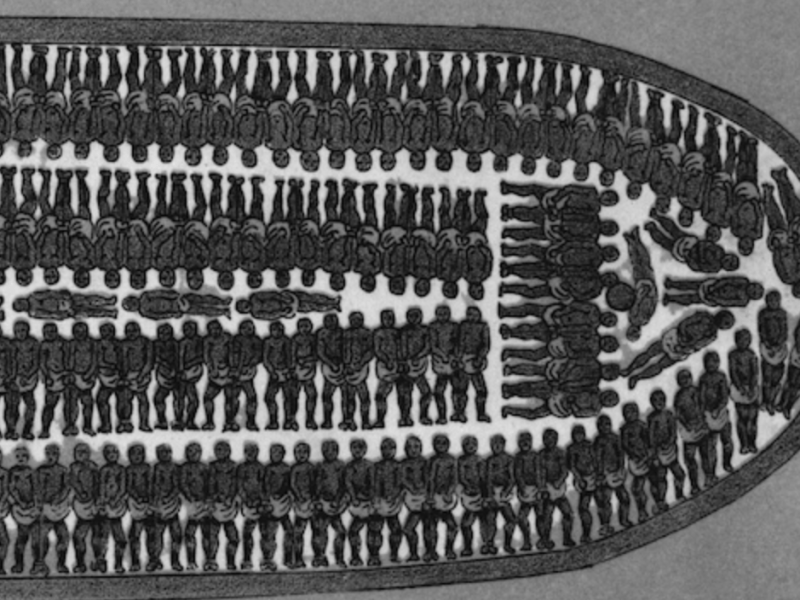
On One of The Gravest Crimes against Humanity That Not Every Country Chose to Condemn at The UN
The UN just voted to describe the transatlantic slave trade as ‘the gravest crime against humanity’. Yet not every country, according to its vote, agrees. My commentary is on what the abstentions show.
Continue reading
Your Antiwar Voice Is Needed More Than You Might Think
The war machine won’t stop until it’s stopped, just as its propaganda won’t just disappear on its own. It was to be actively pointed to, deconstructed, and rejected as loudly as possible. And this is where everyone’s voice matters.
Continue reading
Good News: We Are on a Boat Ride Together; Bad News: It’s Being Steered by Psychopaths
We’re on a boat steered by psychopaths — and they’re not taking us anywhere nice. As the U.S. and Israel are destroying Lebanon and Iran, one thing can’t be clearer: it is the whole world that has to make them stop.
Continue reading
There Are Those Who Celebrate Women’s Day and Cheer for the Bombing of Schools
Using the “liberation of women” is not new when it comes to justifying the unjustifiable. Notice how it is used again in Iran, including by those who are known to intentionally harm women and children.
Continue reading
MY Country Stands with Fascist Regimes. What about Yours?
Let’s normalise talking about the secondary rage and grief you might be feeling seeing your government appease, bow down to, and support fascist regimes
Continue reading
From Iran to Palestine: Beware Those Who Say They Liberate Children by Bombing Schools
Israel has been murdering children in Palestine and Lebanon for decades. Now, it has chosen to murder children – under the guise of regime change – in Iran.
Continue reading The Exploding Head Media