
I am not a poet.
And I won’t suddenly become one just because my heart is breaking.
I will leave powerful language to the ones who know how to use it in a way that’s not forced, cheesy, tacky, or cheap.
But I think in times of profound sadness, grief, potential helplessness, and just a lot of heartbreak, you’ll forgive me for my completely personal post, with no analysis, no “insights”, and not even any dots to connect.
Today, it’s just about the sadness.
The grief.
The helplessness.
The end of a year that feels like many years (weeks that felt like years).
A search for hope.
And finding it in community.
Today, I was about to go to see a war-themed play in Rio when a piece of news hit me — and it hit me more strongly than I would have imagined it:
Refaat Alareer, a writer and poet from Gaza, and his family were killed by Israeli forces.
His last poem was being shared everywhere.
His final tweet reminds the world who is supporting this genocide.
Among many interviews with Refaat, there is one that I’d always cry to.
It’s this one:
Since seeing this video, I have hoped Refaat would survive.
Or, secretly and shamefully, I’d hope that I’d never know what happened to him. I would have accepted the cowardly shame of not knowing.
But now I know. And the heart can’t unbreak. The tears are rolling. It’s difficult to speak (that’s why I’m writing instead of filming a video).
I got the news, I cried, I shared it, I cried more, and I went to see my play.
I did my best not to cry during it because a part of its storyline is a poet being killed by Fascist forces in the Spanish Civil War.
I walked home, still thinking about Refaat, and I sat down to write this post (if it’s full of late-night typos, I apologise and will correct them this weekend).
I’d never say “Let’s make someone’s death meaningful.” I’d take a meaningless life over some kind of meaningful death, and I’d never glorify it.
My post is not about that.
What I want to say is I know it’s not just my heart, these are MANY hearts that are breaking now.
And it’s OK.
“It’s good, isn’t it?” I tell myself as I interrupt my crying. Neuroscience tells us that crying is a form of self-soothing, and feeling something over what’s happening in Gaza is a sign you haven’t lost your empathy.
“It’s good, yes, everything is good, you see?” I say to myself as I wipe my tears. “It’s not about toxic positivity, it’s about you not being desensitised…”
And I am not.
I am proudly not desensitised.
And what I want to say is this:
If you’re weeping, it means YOU haven’t lost your humanity.
YOU aren’t desensitised.
It means there’s a sense of justice that your emotions are allowing you access instead of whispering to you how your sadness/anger/rage are all weird and inexplicable.
It is only human.
And it is needed for all of us to keep on going.
We have to self-soothe — to continue our work.
I know we’re weeping and grieving in the millions.
Not just for Refaat.
For all of Palestine.
—
I am not a poet.
I will leave powerful language to the ones who know how to use it in a way that’s not forced, cheesy, tacky, or cheap.
I will leave it to Refaat:
Stay strong, check on others, and keep your heart open.
❤️💔❤️
Justina
Find my episode that I recorded earlier this year, inviting you to continue speaking out. It’s more relevant than ever:
Find all my work on Palestine here.
Latest from the Blog

An Interview with Amy Goodman from Democracy Now! That You Cannot Miss
Amy Goodman is a living legend. Her independent media work, her courage, her dedication to amplifying the voices of those who have been silenced, and her love for the world is an example to us all — and an invitation to speak out and uplift each other. Watch this amazing conversation with her now.
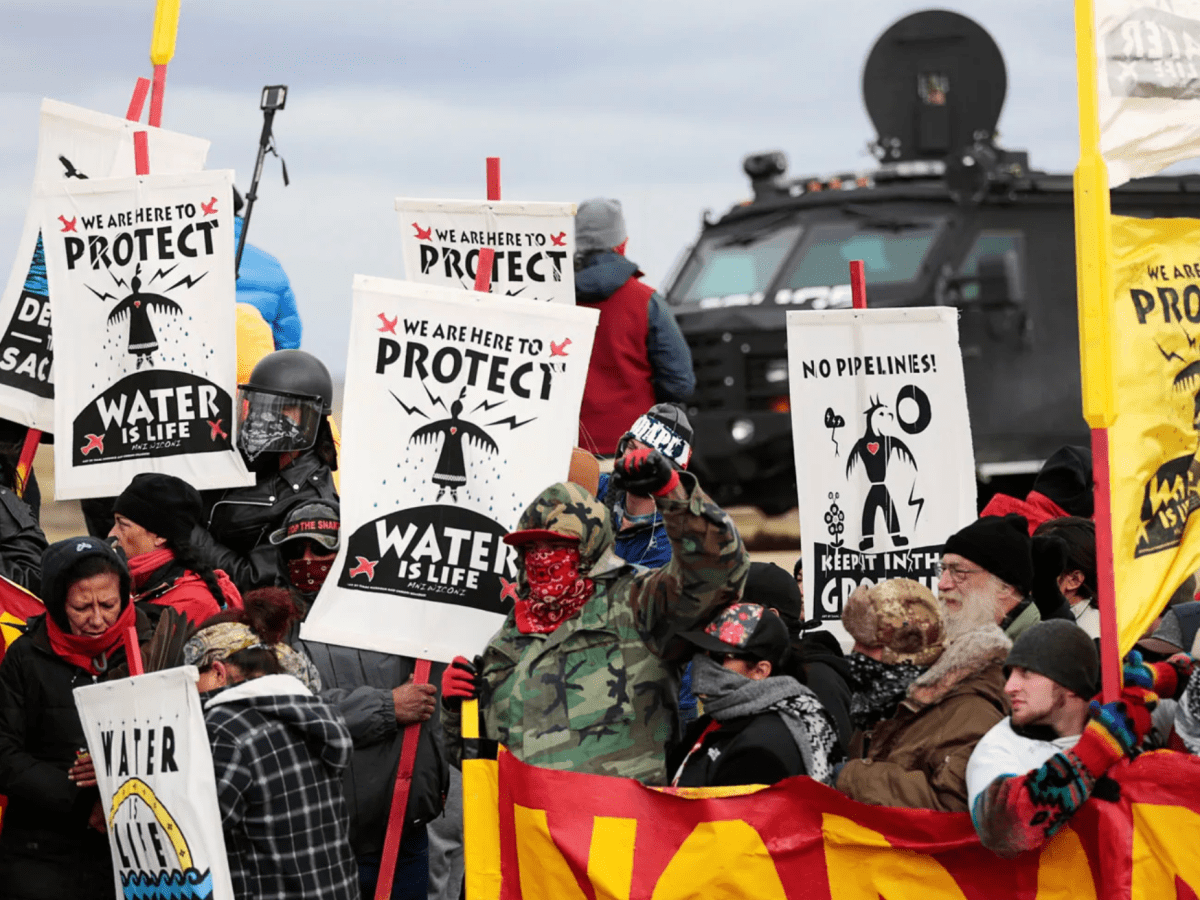
Indigeneity As The World Is Burning: We Can Either Watch The Fire, Or We Can Put Out The Centuries-Old Flames Together
On International Indigenous People’s Day, let’s not romanticise nor dismiss the struggle that will, in the end, liberate us all.
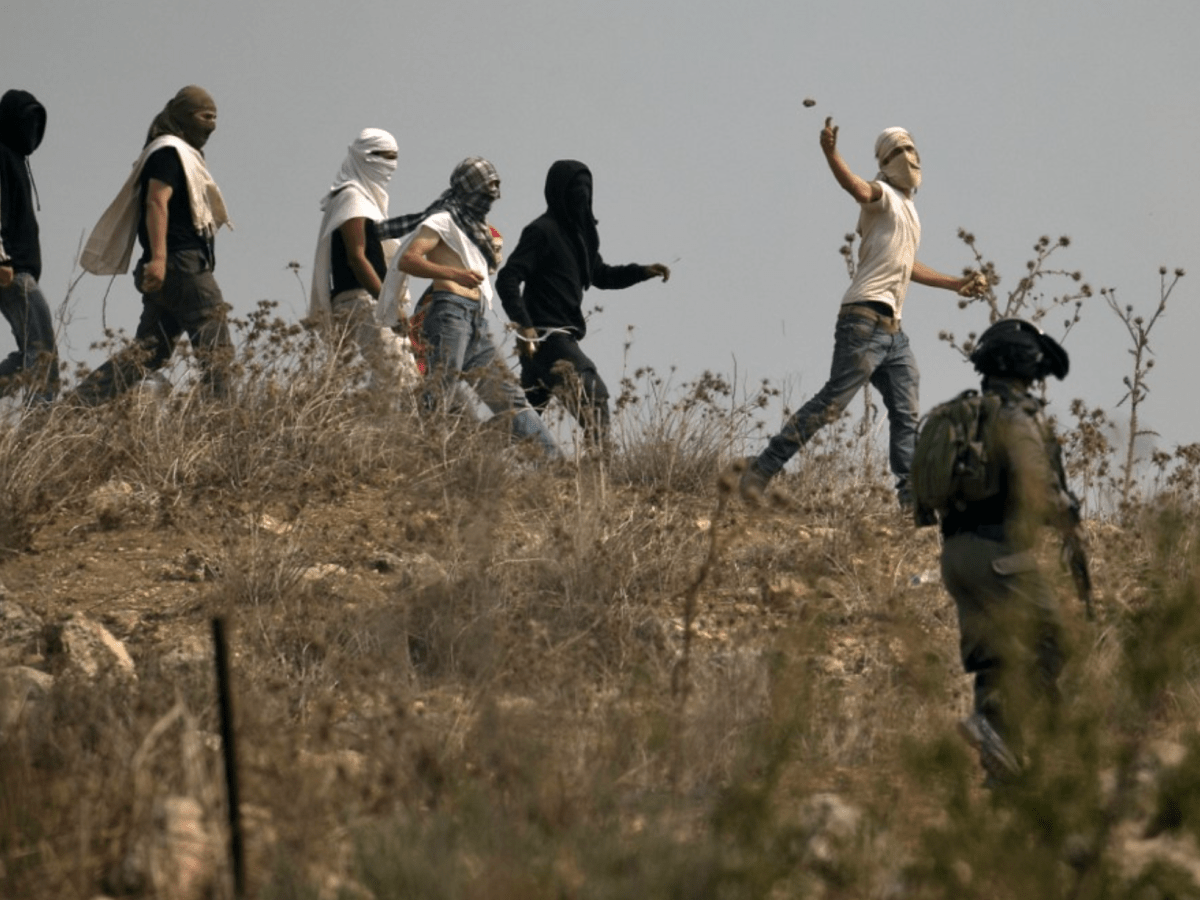
Settler Violence, State Violence: The Daily Terrorism in Palestine
Settler violence is state violence, and it has been on the rise in the West Bank for years. See and speak out against the intensification of pogroms that we’re seeing here now, after one specific deadly attack near Nablus.
 The Exploding Head Media