
What does the decision by the International Court of Justice in South Africa’s case against Israel actually mean?
Does it matter that the word ‘ceasefire’ wasn’t mentioned? What are its actual legal implications?
On January 26, the ICJ announced its ruling in the case that South Africa has brought against Israel, accusing it of committing a crime of genocide against the people in Gaza.
What the court provided were provisional measures: in short, it wasn’t a “Yes” or “No” on the crime of genocide itself, but whether there was a basis to further investigate what the lawyers representing South Africa had brought to the table, and any measures the court would order according to their decision.
After a long deconstruction of the claims of both South Africa and what Israel has presented as its defense, the verdict came.
It upheld what South Africa had presented.
The court has ruled that there is a basis for South Africa’s claims.
For the first time in more than 75 years, Israel was ordered – ordered anything – by an international court and, in this case, the highest court there is.
But what does it actually mean?
To better understand what this decision means, I invite you to listen to two experts in the field, facilitated by a host whose work I’ve discovered (embarrassingly) recently and can recommend already.
Craig Mokhiber is an International Human Rights lawyer with credentials as impressive as they can get. Until recently, he was the Director of the New York Office of the High Commissioner for Human Rights (OHCHR) until he resigned in protest of inaction towards the unfolding genocide in Gaza. Follow him on Twitter here.
Norman Finkelstein is a political scientist, author, activist, and expert on anything Gaza-related. Coming from a Holocaust survivor family, he has been speaking out against Israel’s oppression for decades now. Follow him and his work here.
Katie Halper is a writer, political commentator, and host of several shows including The Katie Halper Show, on which Norman and Craig appear.
In their conversation, they cover a lot: what was actually said at the ruling, what judges voted which way, what it means and doesn’t mean in legal terms, what it means historically, and so much more.
I hope you take the time to learn more about his historic case. And, as importantly, I hope you take action against genocide today.
I’ll leave you with an emotional video to allow ourselves to celebrate, together, even if it’s just for 53 seconds:
Stay strong, check on others, and keep your heart open.
❤️💔❤️
Justina
Find all my work on Palestine here.
Find my episode on what this case has revealed to the world:
Latest from the Blog

An Interview with Amy Goodman from Democracy Now! That You Cannot Miss
Amy Goodman is a living legend. Her independent media work, her courage, her dedication to amplifying the voices of those who have been silenced, and her love for the world is an example to us all — and an invitation to speak out and uplift each other. Watch this amazing conversation with her now.
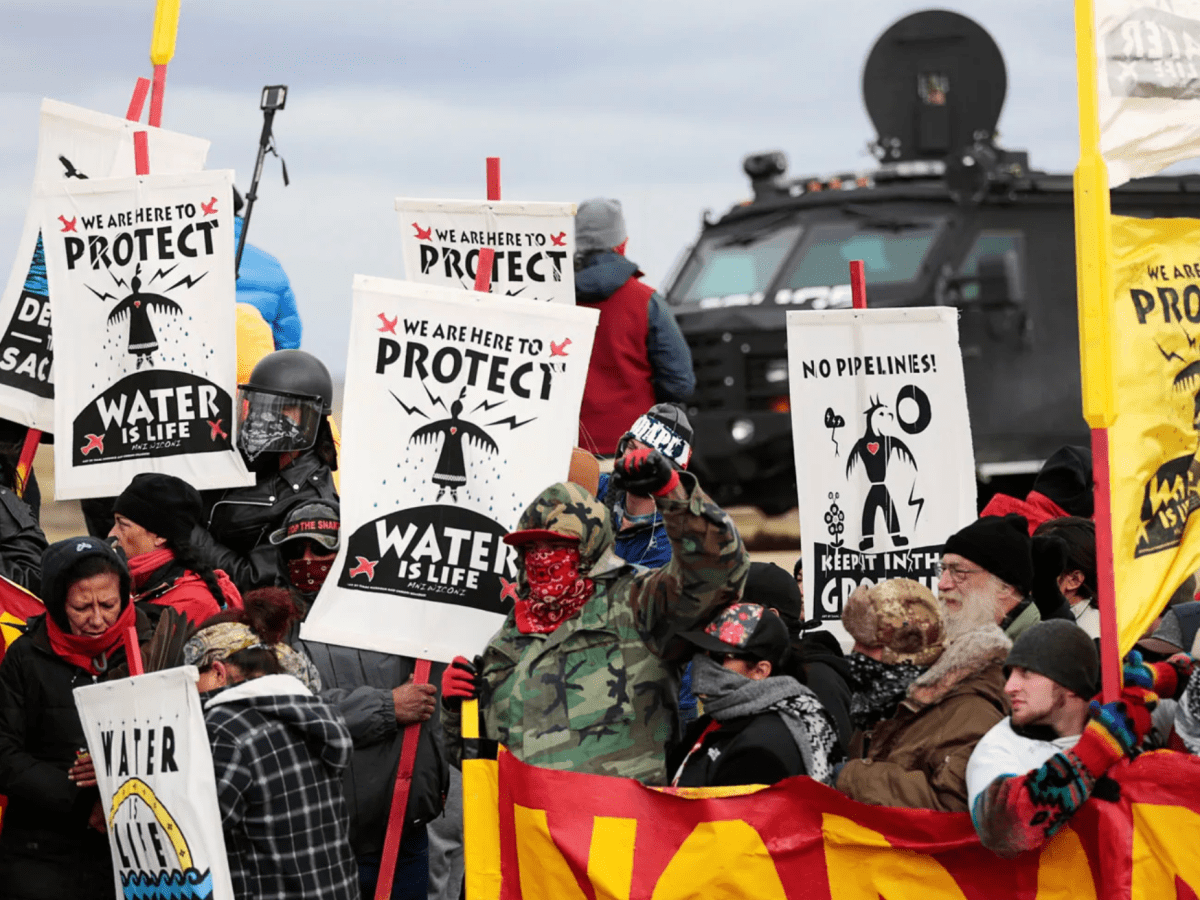
Indigeneity As The World Is Burning: We Can Either Watch The Fire, Or We Can Put Out The Centuries-Old Flames Together
On International Indigenous People’s Day, let’s not romanticise nor dismiss the struggle that will, in the end, liberate us all.
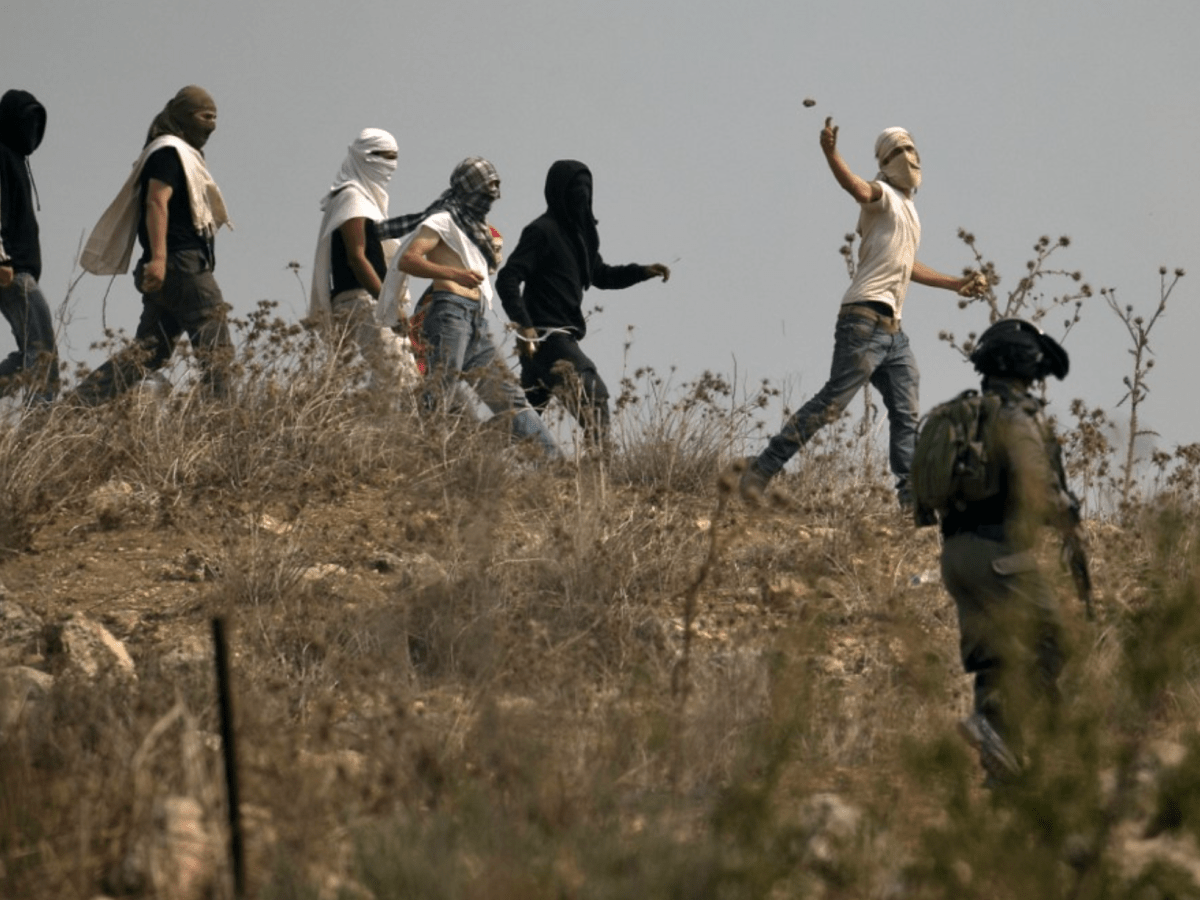
Settler Violence, State Violence: The Daily Terrorism in Palestine
Settler violence is state violence, and it has been on the rise in the West Bank for years. See and speak out against the intensification of pogroms that we’re seeing here now, after one specific deadly attack near Nablus.
 The Exploding Head Media
One thought on “A Recommended Resource to Understand What The ICJ Decision Means”