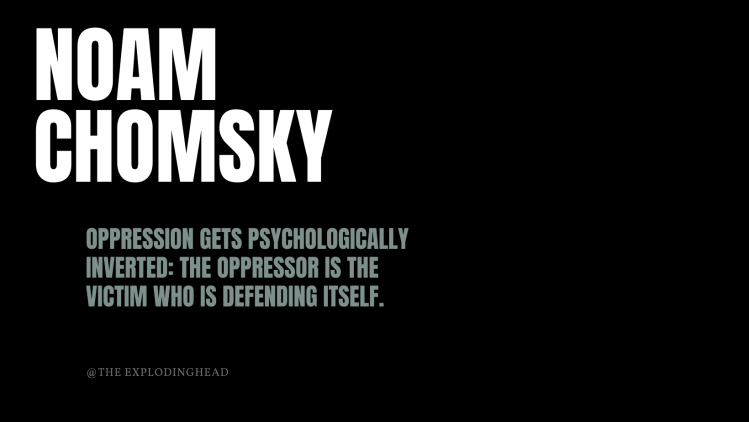
Israel’s occupation of Palestine is oftentimes presented as a conflict surrounded by controversies. We need to debunk that.
Controversy: this is one of the first words that might come to your mind when you think about what is presented as the Israeli-Palestinian conflict. It’s so confusing. Too complex to analyse.
And indeed, each conflict is complex, and there is no solution that wouldn’t require political will.
But whose political will is needed to end a military occupation? And why is this a controversial question?
In this episode, I aim to deconstruct some of the aspects that create that seeming controversy. I talk about the need to reject the weaponisation of antisemitism, about who has power over whom, and what the negotiation table really looks like.
As promised, here are some resources you might want to check out. And to do your own research, of course!
- United Nations Office for the Coordination of Humanitarian Affairs (OCHA)
- United Nations Relief and Works Agency for Palestine Refugees (UNRWA)
- Human Rights Watch
- Defense for Children Palestine
- An article on International Criminal Court (ICC) and Palestine
- An interview on ICC and Palestine
Subscribe to receive my articles directly to your inbox here:
Latest from the Blog
On Iran, (Ir)rationality, and Those Who Didn’t See Any Destabilisation of The Region in Israel’s Genocide
Remember when Iran used to be called an irrational, unpredictable actor? Well, I invite you to notice any changes when it comes to irrationality, constructed narratives, and how war propaganda looks these days.
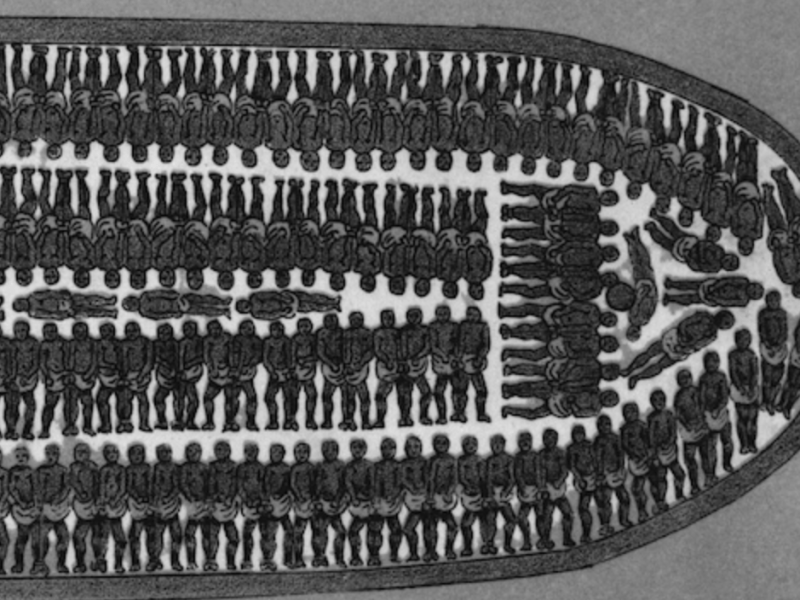
On One of The Gravest Crimes against Humanity That Not Every Country Chose to Condemn at The UN
The UN just voted to describe the transatlantic slave trade as ‘the gravest crime against humanity’. Yet not every country, according to its vote, agrees. My commentary is on what the abstentions show.
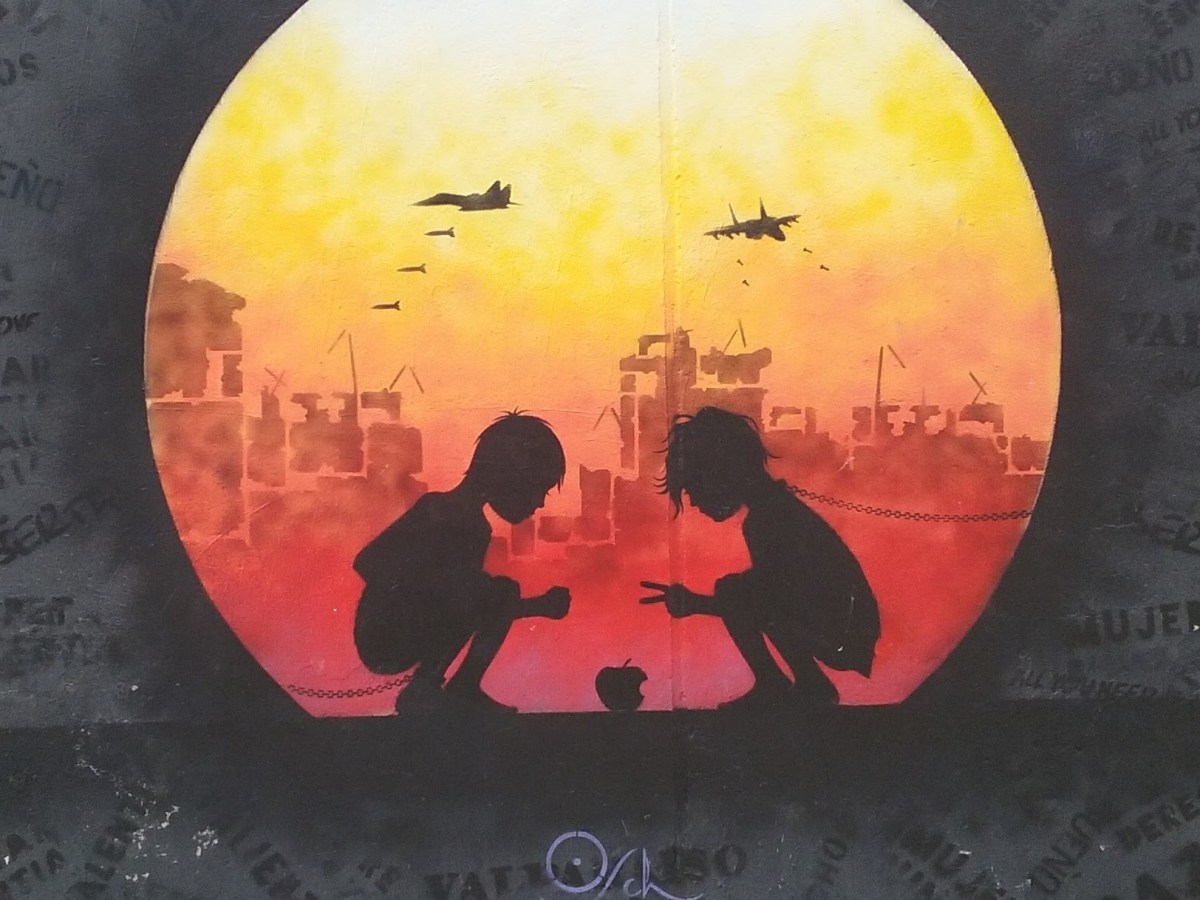
Your Antiwar Voice Is Needed More Than You Might Think
The war machine won’t stop until it’s stopped, just as its propaganda won’t just disappear on its own. It was to be actively pointed to, deconstructed, and rejected as loudly as possible. And this is where everyone’s voice matters.
Good News: We Are on a Boat Ride Together; Bad News: It’s Being Steered by Psychopaths
We’re on a boat steered by psychopaths — and they’re not taking us anywhere nice. As the U.S. and Israel are destroying Lebanon and Iran, one thing can’t be clearer: it is the whole world that has to make them stop.
There Are Those Who Celebrate Women’s Day and Cheer for the Bombing of Schools
Using the “liberation of women” is not new when it comes to justifying the unjustifiable. Notice how it is used again in Iran, including by those who are known to intentionally harm women and children.
MY Country Stands with Fascist Regimes. What about Yours?
Let’s normalise talking about the secondary rage and grief you might be feeling seeing your government appease, bow down to, and support fascist regimes
 The Exploding Head Media
2 thoughts on “What Do We Talk About When We Talk About Palestine? Part 1: Controversy”