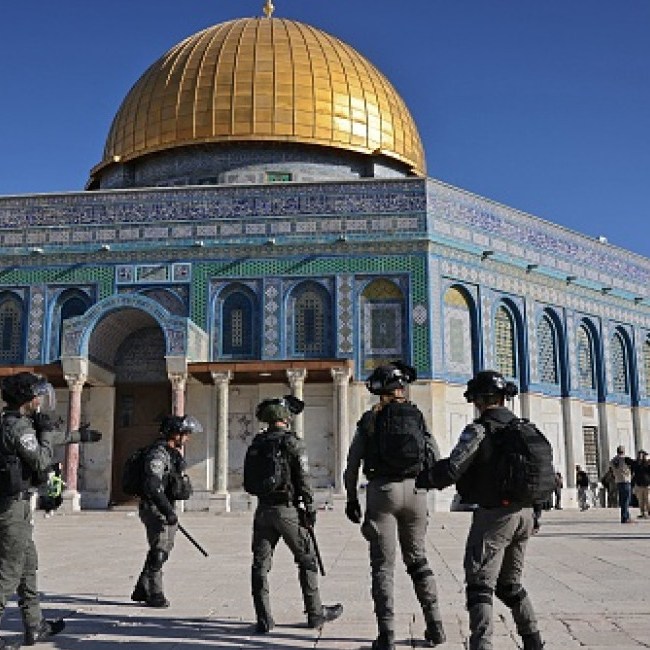
What’s happening in East Jerusalem?
Or, rather, what has been happening in East Jerusalem?
Depending on your location, political interests, and what media you consume, you might have heard the name of Sheikh Jarrah.
If anything, you might have seen some hashtags at least, like #SaveSheikhJarrah.
Sheikh Jarrah is a neighbourhood of East Jerusalem and what is happening there gives me an (unfortunate) opportunity to further explore my own question:
What do we really talk about when we talk about Palestine?
In light of current events, today’s topic simply has to be colonialism.
It’s strange to be using this word to describe something that we’re witnessing in the 21st century, I know.
Yet, just like with other concepts that have actual definitions, we shouldn’t be afraid to use them where these definitions fit.
In my episode, I:
- summarise what’s happening in Sheikh Jarrah,
- provide the context to East Jerusalem itself,
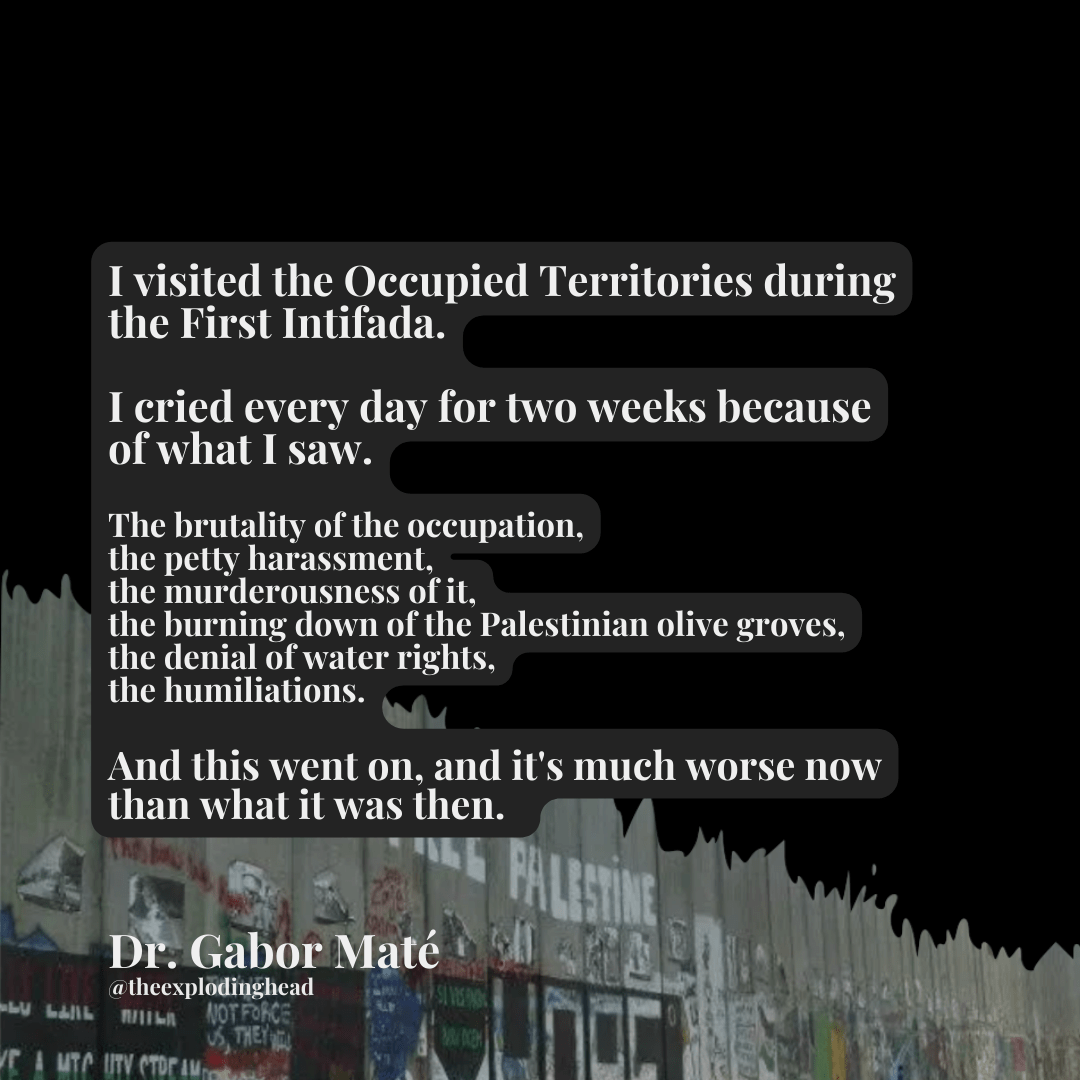
- define several major concepts related to this episode, like settler colonialism
- give examples of Israeli policies that happen to match those definitions,
- inevitably, I also refer to my previous episodes (because…there are many!), using the topics explored in them as valuable prisms we can use to assess this situation,
- I ask some broader questions related to Sheikh Jarrah,
- I also mention the current (May 2021) violent attacks by Israeli forces on the Palestinian worshipers who gathered in Al Aqsa to pray and celebrate some of the holiest days of Ramadan.
This is one dense episode. I hope you find it valuable!
References:
- West Bank | East Jerusalem: key humanitarian concerns, by UN OCHA
- Data on demolition and displacement in the West Bank, by UN OCHA
- What is happening in occupied East Jerusalem’s Sheikh Jarrah? by Al Jazeera
- Palestine Refugees, UNRWA
- Settler colonialism and the elimination of the native, Patrick Wolfe
- UN Security Council document where you can find the definition of ethnic cleansing.
Subscribe to receive my articles directly to your inbox here:
Latest from the Blog
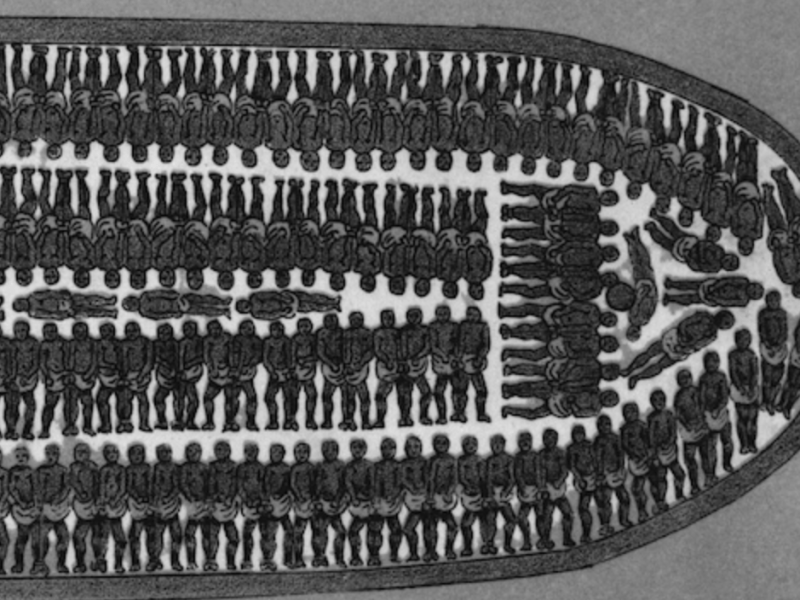
On One of The Gravest Crimes against Humanity That Not Every Country Chose to Condemn at The UN
The UN just voted to describe the transatlantic slave trade as ‘the gravest crime against humanity’. Yet not every country, according to its vote, agrees. My commentary is on what the abstentions show.
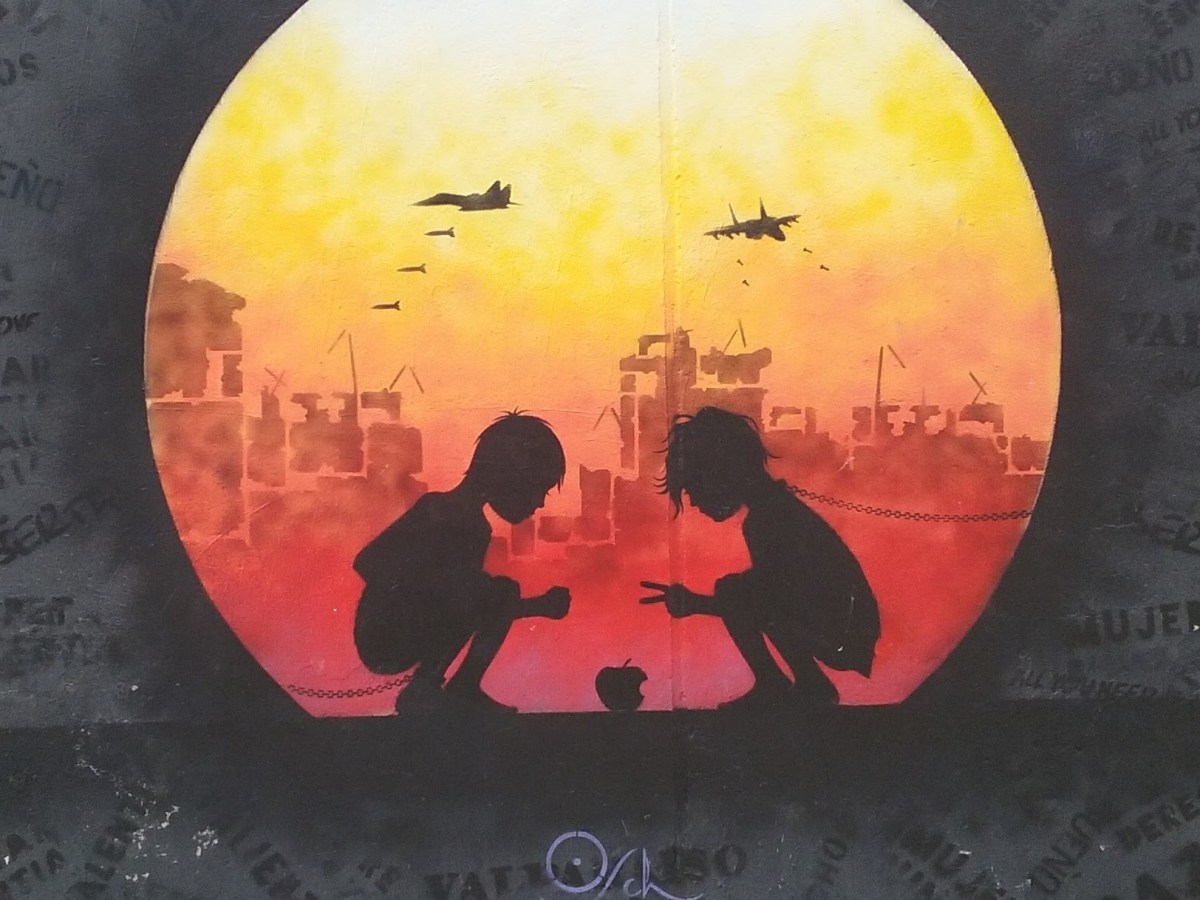
Your Antiwar Voice Is Needed More Than You Might Think
The war machine won’t stop until it’s stopped, just as its propaganda won’t just disappear on its own. It was to be actively pointed to, deconstructed, and rejected as loudly as possible. And this is where everyone’s voice matters.
Good News: We Are on a Boat Ride Together; Bad News: It’s Being Steered by Psychopaths
We’re on a boat steered by psychopaths — and they’re not taking us anywhere nice. As the U.S. and Israel are destroying Lebanon and Iran, one thing can’t be clearer: it is the whole world that has to make them stop.
There Are Those Who Celebrate Women’s Day and Cheer for the Bombing of Schools
Using the “liberation of women” is not new when it comes to justifying the unjustifiable. Notice how it is used again in Iran, including by those who are known to intentionally harm women and children.
MY Country Stands with Fascist Regimes. What about Yours?
Let’s normalise talking about the secondary rage and grief you might be feeling seeing your government appease, bow down to, and support fascist regimes
From Iran to Palestine: Beware Those Who Say They Liberate Children by Bombing Schools
Israel has been murdering children in Palestine and Lebanon for decades. Now, it has chosen to murder children – under the guise of regime change – in Iran.
 The Exploding Head Media
One thought on “What Do We Talk About When We Talk About Palestine? Part 5: Colonialism”