No matter how you saw the situation in Eastern Ukraine before, it is clear now that a full-scale war in Ukraine has started.
Putin did something that might have seemed incredible – just too massive – even for him.
If we are anti-war, we have to condemn this aggression, call for a ceasefire, and ask how people in Ukraine – in all of its regions – can be truly protected, under what arrangement.
But there are also two other things we have to allow ourselves to do – even if these are potentially unpopular decisions.
One, if we are for peace in Ukraine, that peace has to involve all of its regions and all of its ethnic and linguistic groups.
This means we have to acknowledge that the Eastern regions of Ukraine, too, deserve their human rights to be respected, which is something both the Russian and Ukrainian governments would have to guarantee. “Pro-Russian” doesn’t mean unworthy of a life of dignity. What are ‘separatist regions’ for some governments are still people who we have to include when we craft a new political arrangement that would allow for a transition from war into…non-war.
We know that, historically, to peacefully resolve a conflict that is a mix between an intra-state war and an inter-state war (in other words: a war within a country and a war between countries) is extremely difficult.
What political systems in a post-conflict environment can leave all sides content has been one massive question for the discipline of comparative politics.
A complete separation?
A federal state?
External bodies governing certain regions?
What type of government to have? What electoral system?
These questions are as difficult as they can get.
But we have to get to a ceasefire first.
Two, we have to allow ourselves to draw broader parallels between conflicts in other regions and extend our empathy further without engaging in a certain type of accusations that we might hear.
What are these types of accusations? Let me give you an example here.
Just yesterday, on my social media, I reshared a post that showed a map and airstrikes that happened that day: Russia bombing Ukraine, Israel bombing Syria, Saudi Arabia bombing Yemen, and the U.S. bombing Somalia.
It was in fact this post:
Right away, I received a message that accused this post of relativism. Or, to use another word you might have heard, what-about-ism.
And indeed: if one assumes a cynical tone here, we can see how it can be interpreted as an attempt to say that Ukraine is just another war that we are seeing unfold. I, too, deeply dislike when someone tries to use what-about-ism in real life, saying that because someone chooses to talk about A, this means B does not matter.
A kind reply to an accusation like this is a simple one: it is that we don’t have to be cynical here. We can say that, absolutely tragically, now we have even more people suffering. We don’t have to engage in comparing suffering. We can say “yes, and.”
So this is the second important but potentially unpopular thing we can do here: we can continue condemning wars everywhere, we can continue speaking out against atrocities committed by any superpower, and we can surely draw parallels between imperialist policies around the world.
That is not an insult to our humanity. That is an expression of it.
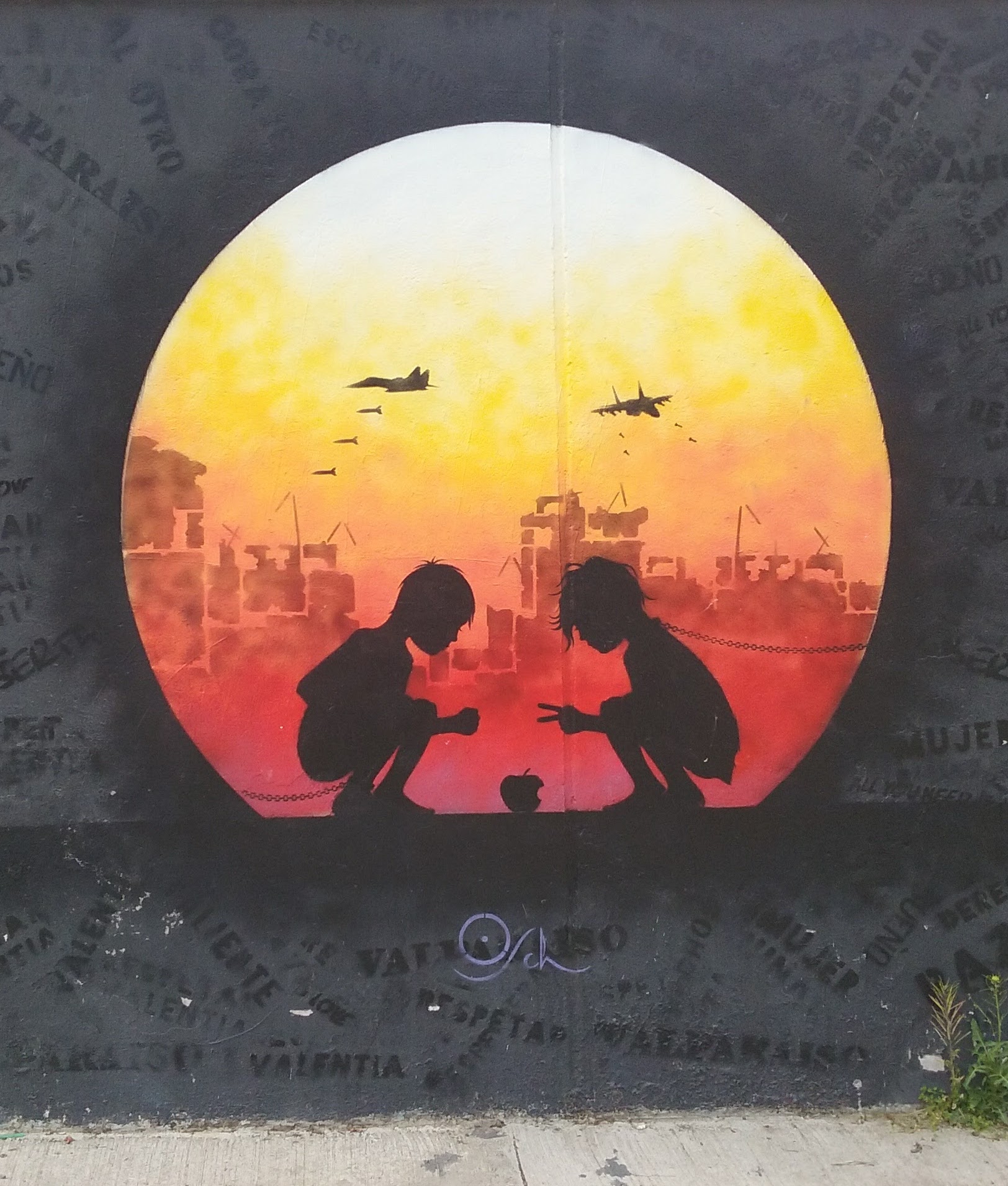
A child whose house is bombed in Gaza by Israel, a child whose house is bombed in Yemen by Saudi Arabia, and a child whose house is now being bombed in Ukraine by Russia are all the same child.
They might not be seen the same in the media but we can choose to see them as equals and we can say “this, too” as we condemn it.
Our hearts can go to so many places at the same time.
See my articles and other resources on Afghanistan here.
See my articles and other resources on Palestine here.
Latest from the Blog
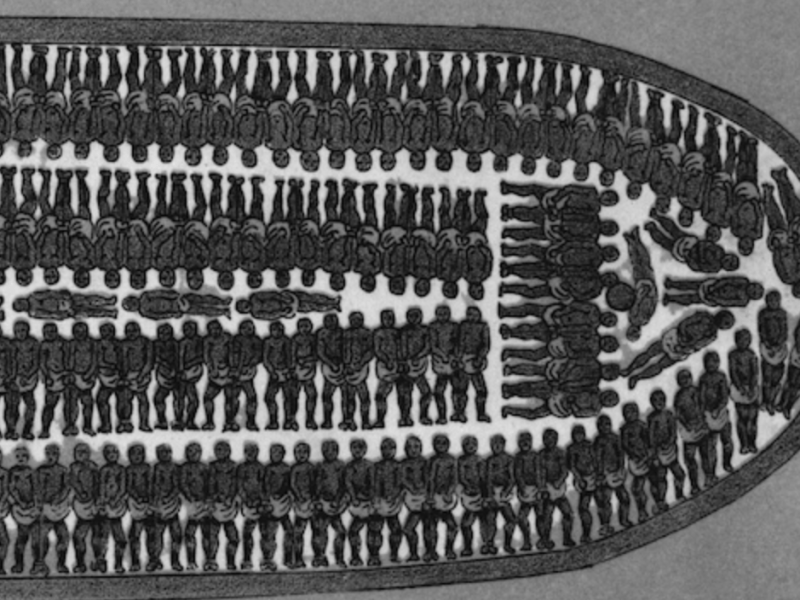
On One of The Gravest Crimes against Humanity That Not Every Country Chose to Condemn at The UN
The UN just voted to describe the transatlantic slave trade as ‘the gravest crime against humanity’. Yet not every country, according to its vote, agrees. My commentary is on what the abstentions show.
Your Antiwar Voice Is Needed More Than You Might Think
The war machine won’t stop until it’s stopped, just as its propaganda won’t just disappear on its own. It was to be actively pointed to, deconstructed, and rejected as loudly as possible. And this is where everyone’s voice matters.

Good News: We Are on a Boat Ride Together; Bad News: It’s Being Steered by Psychopaths
We’re on a boat steered by psychopaths — and they’re not taking us anywhere nice. As the U.S. and Israel are destroying Lebanon and Iran, one thing can’t be clearer: it is the whole world that has to make them stop.
There Are Those Who Celebrate Women’s Day and Cheer for the Bombing of Schools
Using the “liberation of women” is not new when it comes to justifying the unjustifiable. Notice how it is used again in Iran, including by those who are known to intentionally harm women and children.
MY Country Stands with Fascist Regimes. What about Yours?
Let’s normalise talking about the secondary rage and grief you might be feeling seeing your government appease, bow down to, and support fascist regimes
From Iran to Palestine: Beware Those Who Say They Liberate Children by Bombing Schools
Israel has been murdering children in Palestine and Lebanon for decades. Now, it has chosen to murder children – under the guise of regime change – in Iran.
From Cuba to Palestine: Beware Those Who Seek to See Hospitals Run Out of Fuel
What we’re seeing in Cuba is an intensification of imperial violence by those who have been unleashing it on Palestine, too. The parallels here are many, including how the mentality of a coloniser cannot be more on display here.
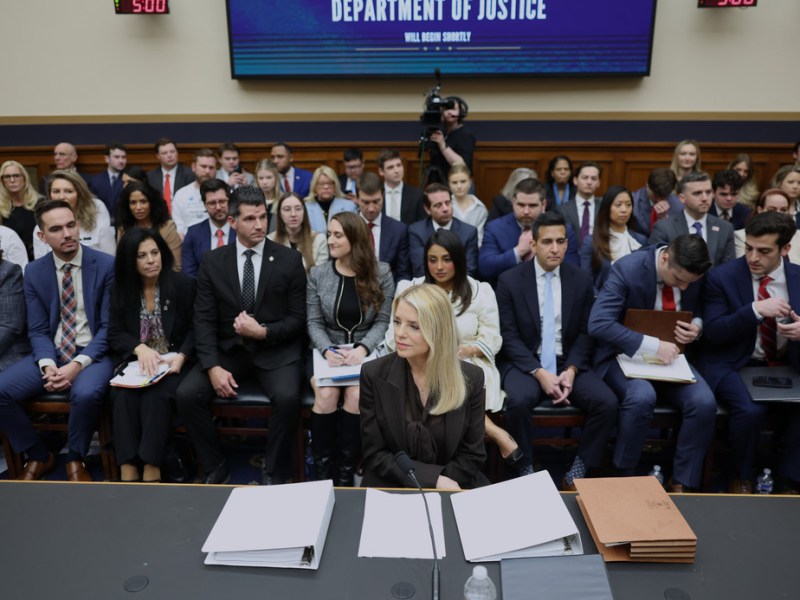
Have You Witnessed Democratic Mechanisms Being Eroded on Live TV? Here’s An Example
If you couldn’t believe what you were seeing during Pam Bondi’s, the U.S. Attorney General’s testimony in a House Judicial Committee hearing on the Epstein files, here’s how to make sense of it. It’s also why it is terrifying.
From Palestine to The Epstein Files: Will You Demand Justice or Embrace Collective Amnesia?
It is not only the violence by the ones in power that the Epstein files resemble Israel’s destruction of Gaza – it’s about the (potential) collective amnesia, too.
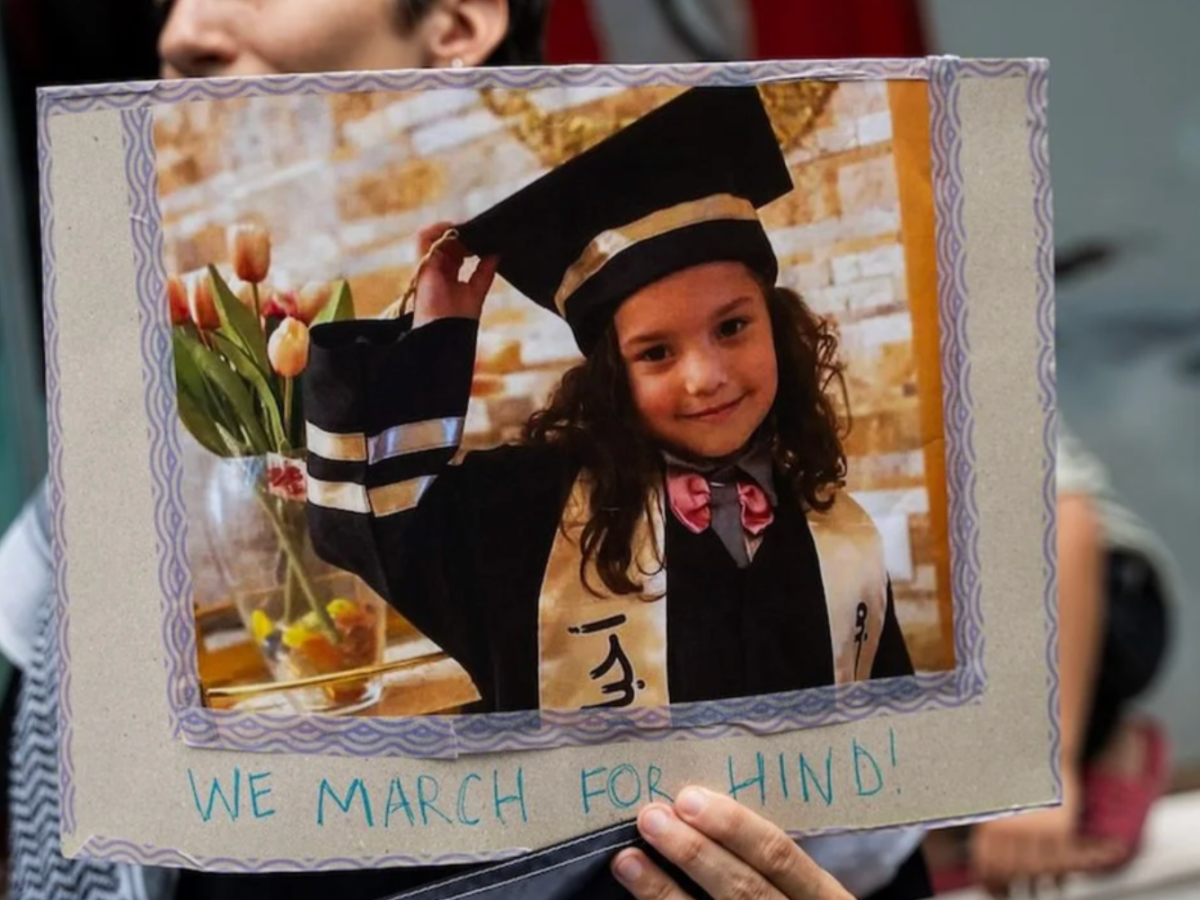
How Fascist Regimes See Growing up, Standing up for People, and Writing Poems as Threats
Hind Rajab was killed by Israeli forces two years ago today – and that is one of the threads of history that I talk about in my essay-like video. It’s about fascism, its victims, the heaviness of witnessing these horrors, and how we can move forward.
Don’t miss an update! Follow The Exploding Head
Get new content delivered directly to your inbox.
 The Exploding Head Media