
Can we make the concept of liberating countries via military aggression outdated?
The war in Ukraine has suddenly started everyone talking about the Russian propaganda machine – for very good reasons.
For some, this might have been the first time when the role of media in warmongering was brought to their attention – but can it be extended to noticing it in the Western media?
Naturally, it’s easier to think propaganda is something “the others” do. The “bad countries”. “Regimes”. It’s easier to see state-owned media in Russia as advancing Russia’s agenda than to apply the same logic to, for example, the BBC. And it’s definitely easier not to notice warmongering in our own countries than to actively point to it and engage in potentially uncomfortable conversations.
On a psychological level, I think a lot of this stems from a very simple desire to hold onto dichotomies (“good” vs “evil”, “liberation” vs “military occupation”) and to see ourselves as being heroes rather than villains of our own lives. But on a collective/political level, holding onto these dichotomies – and rosy glasses – can mean missing out on what’s right in front of us.
I saw this post on Twitter that I thought captures so well how warmongering can seemingly slip into the mainstream media if we’re not careful. And only if we realise that it can come from countries whose political systems we don’t call “regimes”:
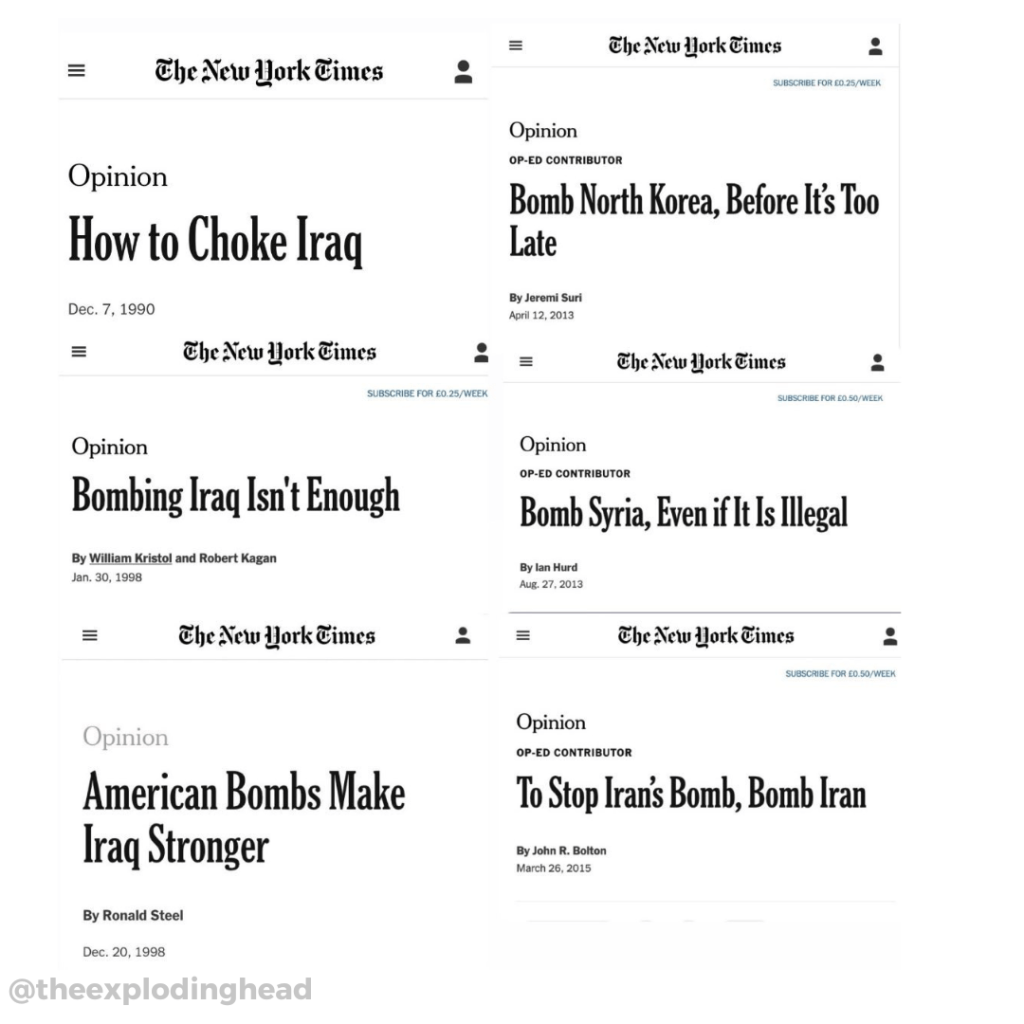
My comment here is simple: if we think it is only RT and not the Western media that is engaging in war propaganda, try replacing all the names of countries in this post with “Ukraine” and see how it sounds.
And if “Russian bombs make Ukraine stronger” makes you uncomfortable but “American bombs make Iraq stronger” doesn’t, this is where you can find space for reflection.
Now, the question is: will we see a further opening in people’s curiosity toward how consent for wars gets manufactured?
Will we agree now that bombs, destruction, and killings don’t liberate people?
Or will we continue distinguishing between what those bombs do to white and non-white populations?
I surely hope for the former.
Added on March 20, 2023:
Today marks the 20th anniversary of the Iraq War. I invite you to reflect on its enormous human cost, the suffering, the trauma, and the illegality of it all.
Don’t stand with empires. Stand with our friends in Iraq.
Find my episode on political education below:
Receive my work directly to your inbox:
Latest from the Blog
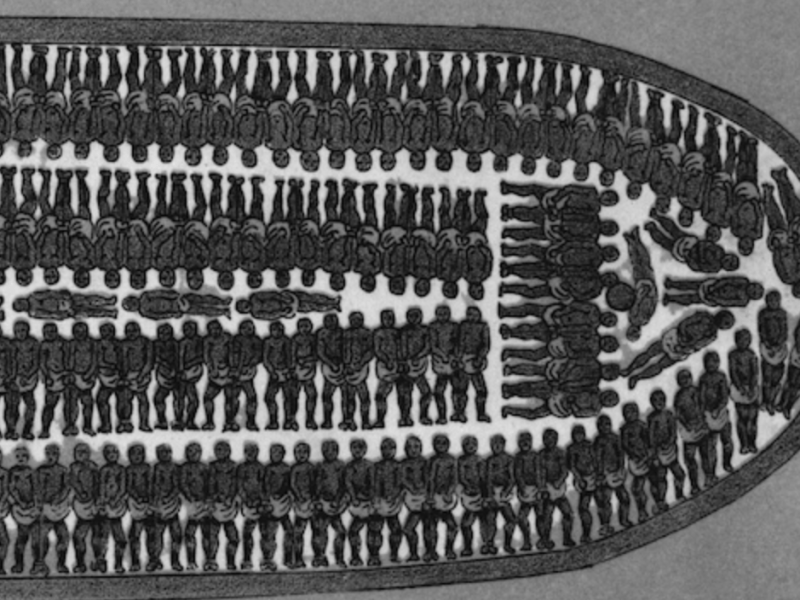
On One of The Gravest Crimes against Humanity That Not Every Country Chose to Condemn at The UN
The UN just voted to describe the transatlantic slave trade as ‘the gravest crime against humanity’. Yet not every country, according to its vote, agrees. My commentary is on what the abstentions show.
Continue reading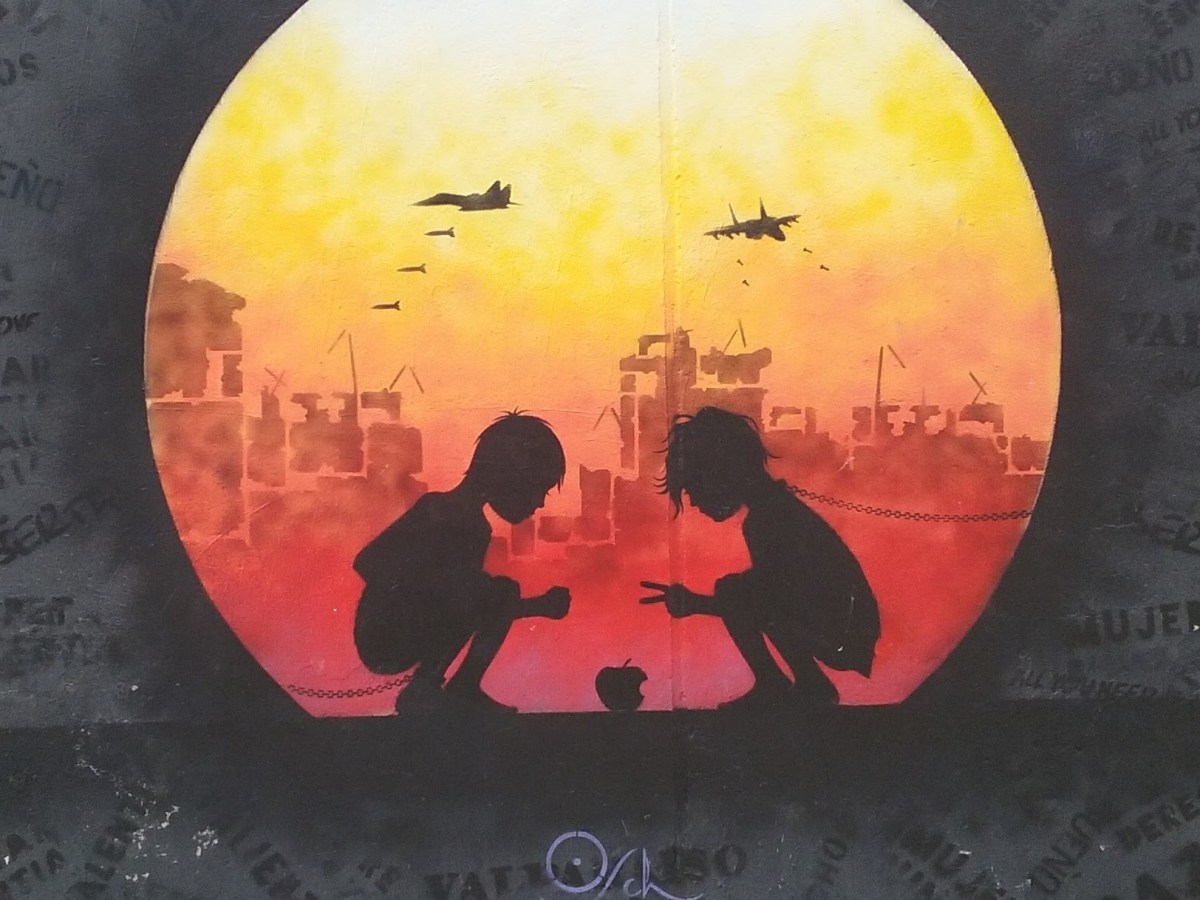
Your Antiwar Voice Is Needed More Than You Might Think
The war machine won’t stop until it’s stopped, just as its propaganda won’t just disappear on its own. It was to be actively pointed to, deconstructed, and rejected as loudly as possible. And this is where everyone’s voice matters.
Continue reading
Good News: We Are on a Boat Ride Together; Bad News: It’s Being Steered by Psychopaths
We’re on a boat steered by psychopaths — and they’re not taking us anywhere nice. As the U.S. and Israel are destroying Lebanon and Iran, one thing can’t be clearer: it is the whole world that has to make them stop.
Continue reading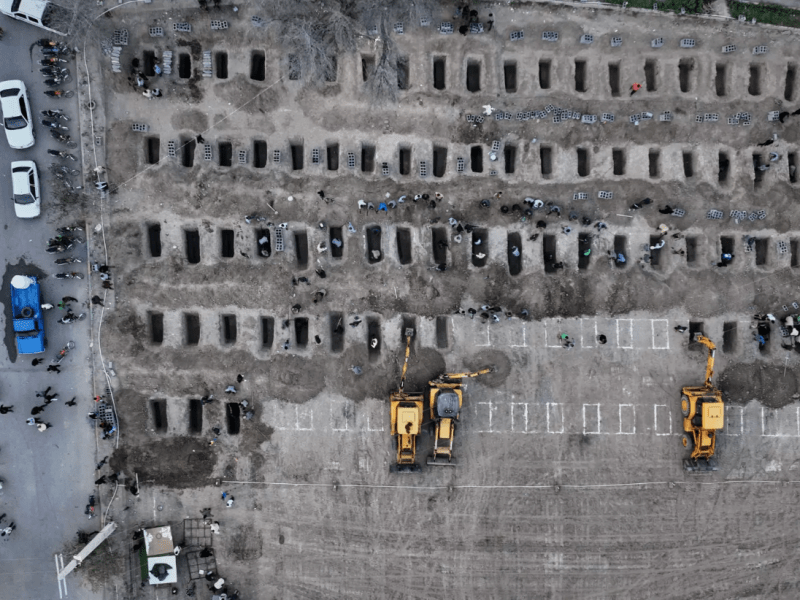
There Are Those Who Celebrate Women’s Day and Cheer for the Bombing of Schools
Using the “liberation of women” is not new when it comes to justifying the unjustifiable. Notice how it is used again in Iran, including by those who are known to intentionally harm women and children.
Continue reading
MY Country Stands with Fascist Regimes. What about Yours?
Let’s normalise talking about the secondary rage and grief you might be feeling seeing your government appease, bow down to, and support fascist regimes
Continue reading
From Iran to Palestine: Beware Those Who Say They Liberate Children by Bombing Schools
Israel has been murdering children in Palestine and Lebanon for decades. Now, it has chosen to murder children – under the guise of regime change – in Iran.
Continue reading The Exploding Head Media