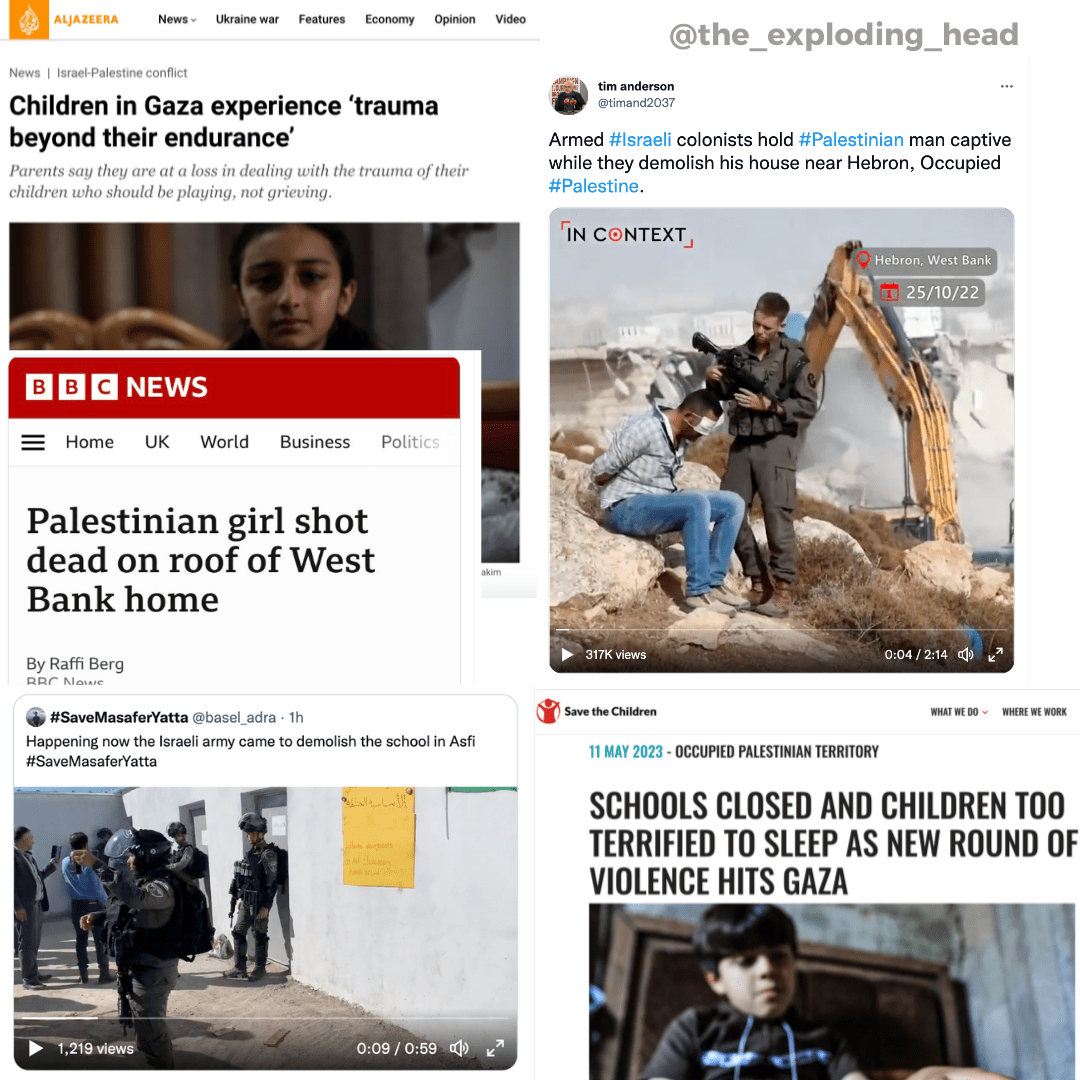
“Don’t you condemn the violence?”
As the people of Gaza have broken out of their prison, this is the question you might hear thrown at you.
I have some questions about this question:
What is this question? What’s the intention of asking it?
The answer is clear. How people – especially civilians, and even more tragically, children – are being treated by anyone engaged in combat should be something everyone cares about.
Why would you want to wish suffering onto anyone, why would you be OK with that?
And if you don’t, it’s only natural to want to understand how violence operates. What political violence is (a hint that’s too easy: it’s in the name).
What’s the context of what we’re seeing?
What’s the power dynamic here? (Please read that again)
Who’s the occupier, who’s the occupied?
Who’s a nuclear state, who are people without an army?
Which group is colonising the other? Demolishing homes and schools?
Does your analysis only go to the election of Hamas, or can it go at least back to 1948? (It’s not a rhetoric/passive-aggressive question, it’s an actual one.)
And talking about more recent history: who has been kept under a siege – a form of collective punishment, illegal under international law – for 15 years? What has been its effect on the population under it?
This isn’t all one needs to know. There’s no “all” anyways.
But the real question is: in addition to condemning it, do you want to understand where that violence is coming from?
I hope you do 
Justina
Find all my work on Palestine here.
Latest from the Blog
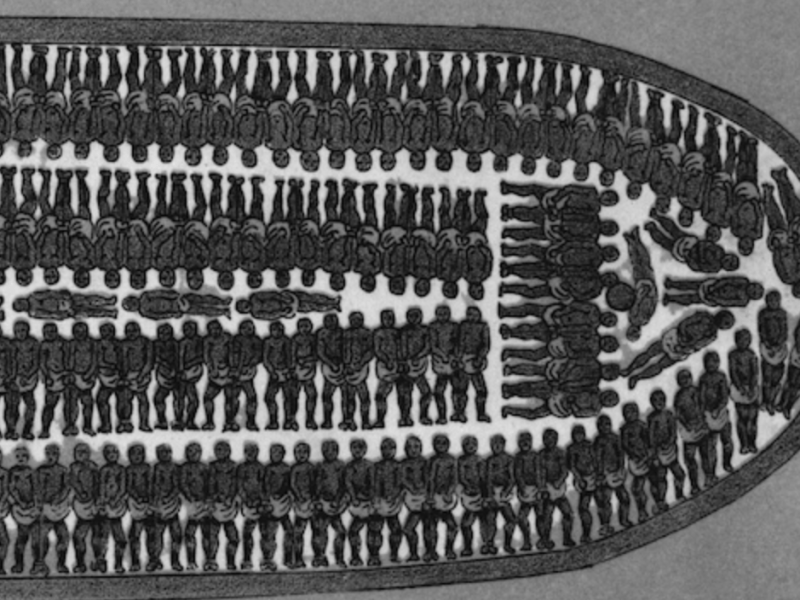
On One of The Gravest Crimes against Humanity That Not Every Country Chose to Condemn at The UN
The UN just voted to describe the transatlantic slave trade as ‘the gravest crime against humanity’. Yet not every country, according to its vote, agrees. My commentary is on what the abstentions show.
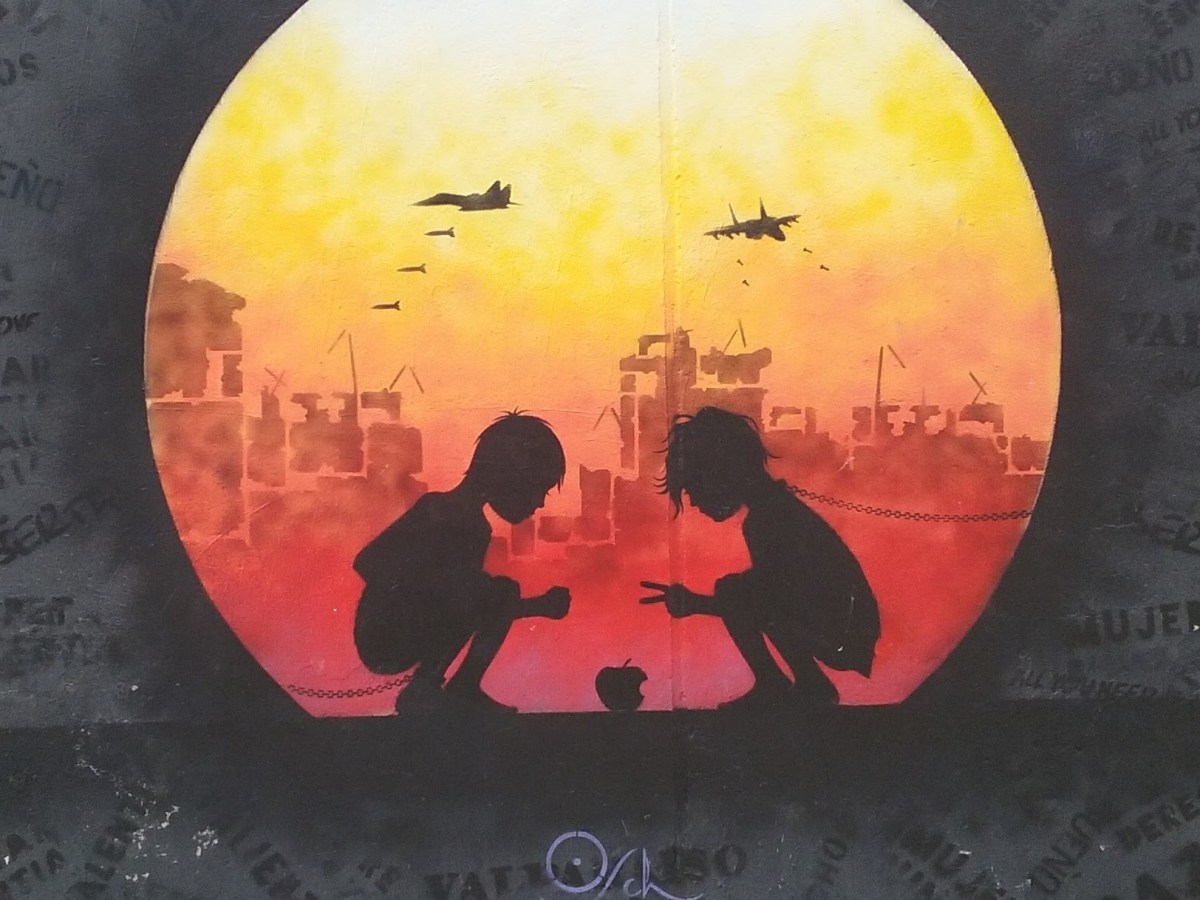
Your Antiwar Voice Is Needed More Than You Might Think
The war machine won’t stop until it’s stopped, just as its propaganda won’t just disappear on its own. It was to be actively pointed to, deconstructed, and rejected as loudly as possible. And this is where everyone’s voice matters.

Good News: We Are on a Boat Ride Together; Bad News: It’s Being Steered by Psychopaths
We’re on a boat steered by psychopaths — and they’re not taking us anywhere nice. As the U.S. and Israel are destroying Lebanon and Iran, one thing can’t be clearer: it is the whole world that has to make them stop.
 The Exploding Head Media
One thought on ““Don’t You Condemn The Violence?””