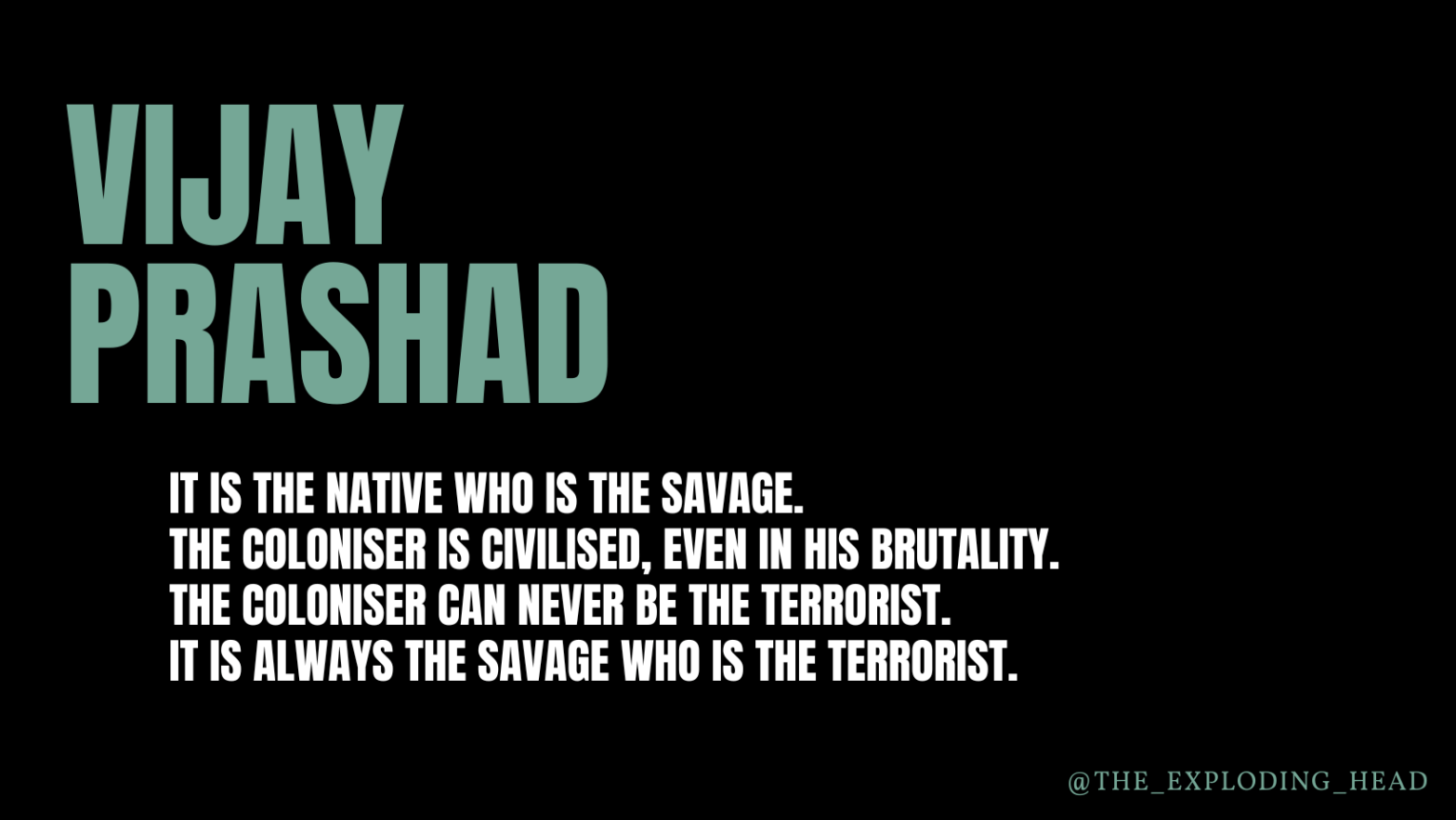
I came to this simple realisation after years of writing about Palestine and noticing how even the latest atrocities committed by Israel are being seen by some.
Here, what I mean is a broad spectrum of reactions: from silence to expressed unwillingness to condemn war crimes to the denial of humanity of the people of Gaza and accepting mass killing as self-defense.
That spectrum, just like it’s been for so many of us, for me, too, was difficult to process.
There was a lot of anger, sadness, disappointment, helplessness, grief, and other emotions, all at once. To hear a completely ahistorical view and a claim that in order for a society to create a (false) sense of security, to starve a population and continuously kill children is acceptable, is a lot to process.
But as these emotions settled, things became clearer.
And this was the most rational conclusion I could draw from all this:
If someone rolls their eyes when we talk about colonisation, let them.
Just like it was with many terrible injustices throughout history, not everyone saw them as such and participated in that fight.
Many stood by and watched.
Many didn’t realise, accept, or want to acknowledge what was happening. And there were those who mocked the people being oppressed, minimised their suffering, and blamed them for their own oppression.
Not everyone fought to abolish slavery.
Not everyone supported the national liberation movements of the ’60s and ’70s.
Not everyone thought the South African apartheid was unacceptable.
Not everyone supported the first BLM marches just several years ago.
I think we always want to think that, if given the chance to participate in a historic movement, we’d bravely say YES to it.
But it’s simply not true. Because even the biggest movements didn’t have everyone, everywhere, onboard.
Having said that, I still think Palestine is a cause for everyone, maybe even the ultimate one.
What’s happening in Gaza now is a test for everyone.
What we’re seeing in Palestine has been and still is a test for everyone now.
To the ones watching, we can say – without any passive-aggressive judgement – that you can indeed stand by and watch.
But you can’t say that you didn’t know.

I know that the very title of my article might seem a bit pessimistic. But its message is the opposite:
Instead of focusing on the ones who refuse to condemn colonialism, we focus on the ones who do – loudly, bravely, and unapologetically.
Because we are in the millions.
We are literally in the millions.
We’re in Jakarta, in São Paulo, in Rabat, in London, in Santiago, in D.C., in Cape Town, and anywhere you’re reading this from.
And we’re doing all we can: from marching, paralysing public transport, blocking arms shipments to Israel, writing to our representatives, coming together for a vigil, writing, speaking, sharing, and holding space for each other.
It’s a beautiful movement that more and more people are joining – the ones who, once they know, don’t need more convincing to condemn colonial violence as well as the racism and militarism needed to maintain it.
I want to leave you with a speech by Noura Erakat, a human rights lawyer, author, legal scholar, activist, and co-editor of Jadaliyya. I truly think it’s a historic speech that will be watched, quoted, and shared for years to come.
“We are fighting for our humanity,” Noura says.
It’s not a fight for everyone. But the invitation is here.
Stay strong, check on others, and keep your heart open.
❤️💔❤️
Justina
Listen to my latest episode on Gaza here:
Find all my work on Palestine here.
Latest from the Blog
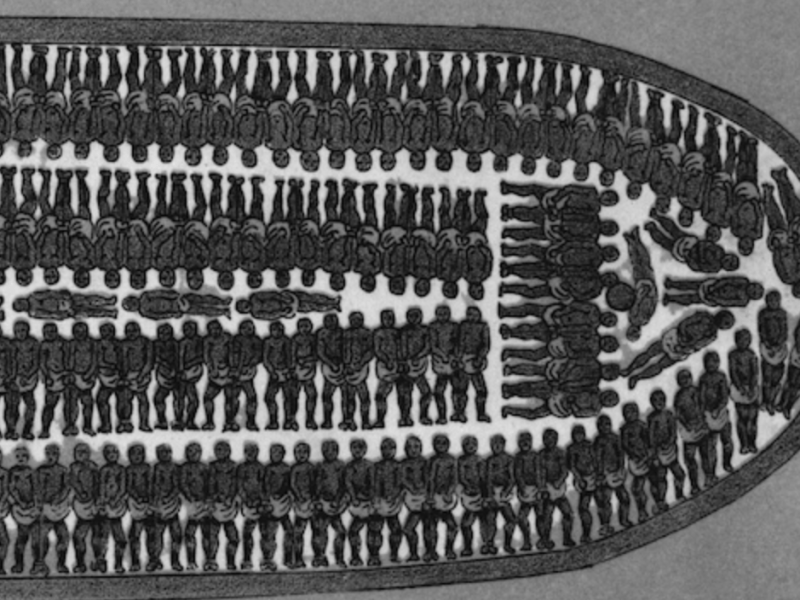
On One of The Gravest Crimes against Humanity That Not Every Country Chose to Condemn at The UN
The UN just voted to describe the transatlantic slave trade as ‘the gravest crime against humanity’. Yet not every country, according to its vote, agrees. My commentary is on what the abstentions show.
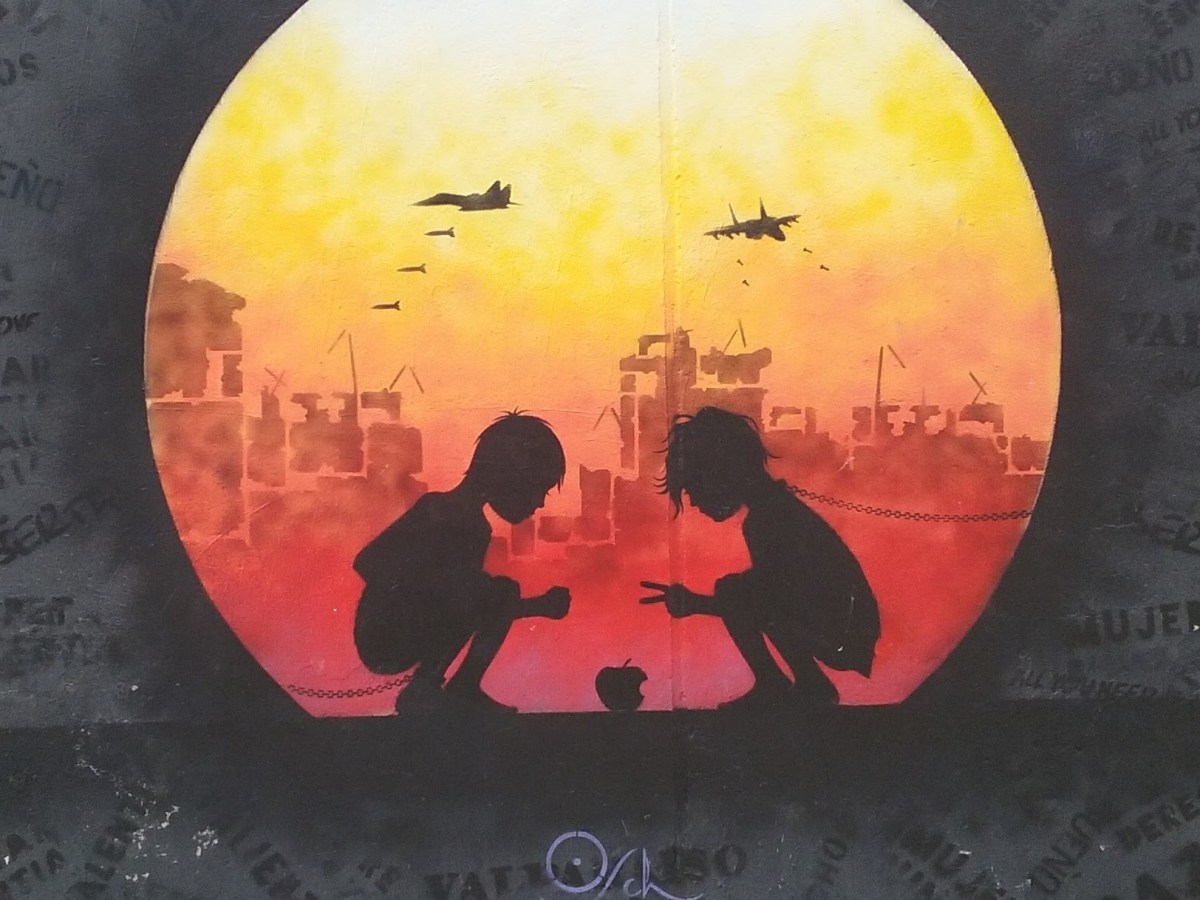
Your Antiwar Voice Is Needed More Than You Might Think
The war machine won’t stop until it’s stopped, just as its propaganda won’t just disappear on its own. It was to be actively pointed to, deconstructed, and rejected as loudly as possible. And this is where everyone’s voice matters.

Good News: We Are on a Boat Ride Together; Bad News: It’s Being Steered by Psychopaths
We’re on a boat steered by psychopaths — and they’re not taking us anywhere nice. As the U.S. and Israel are destroying Lebanon and Iran, one thing can’t be clearer: it is the whole world that has to make them stop.
 The Exploding Head Media
4 thoughts on “The Anticolonial Struggle Is Not for Everyone — And Maybe It Doesn’t Have to Be”