There are words that can be thrown around misleadingly, diluting, obscuring, or completely misrepresenting what they mean.
The same words can be used reluctantly – intentionally – when they fit certain situations perfectly. And we’ve seen a lot of that in the past year.
As the Israeli war machine has been turned on Lebanon with more force, it was high time I did an episode on terrorism, also talking about war crimes and other concepts that I hope will be useful additions to your toolbox of concepts to use to describe what, among other countries, Israel has been doing for decades.
Regarding what I cite in my episode, please read more about the Dahiya Doctrine here and find Oxfam’s report here. If you scroll down all the way, you’ll see I’ve turned what’s in this report into a visual to share.
Talking about using language in deceiving ways, here’s an excellent reminder (if you’re a Lithuanian speaker, I have a video exactly on that for you here):
As always: stay strong, check on others, and keep your heart open.
❤️💔❤️
Justina
Find all my work on Palestine here.
Latest from the Blog

An Interview with Amy Goodman from Democracy Now! That You Cannot Miss
Amy Goodman is a living legend. Her independent media work, her courage, her dedication to amplifying the voices of those who have been silenced, and her love for the world is an example to us all — and an invitation to speak out and uplift each other. Watch this amazing conversation with her now.
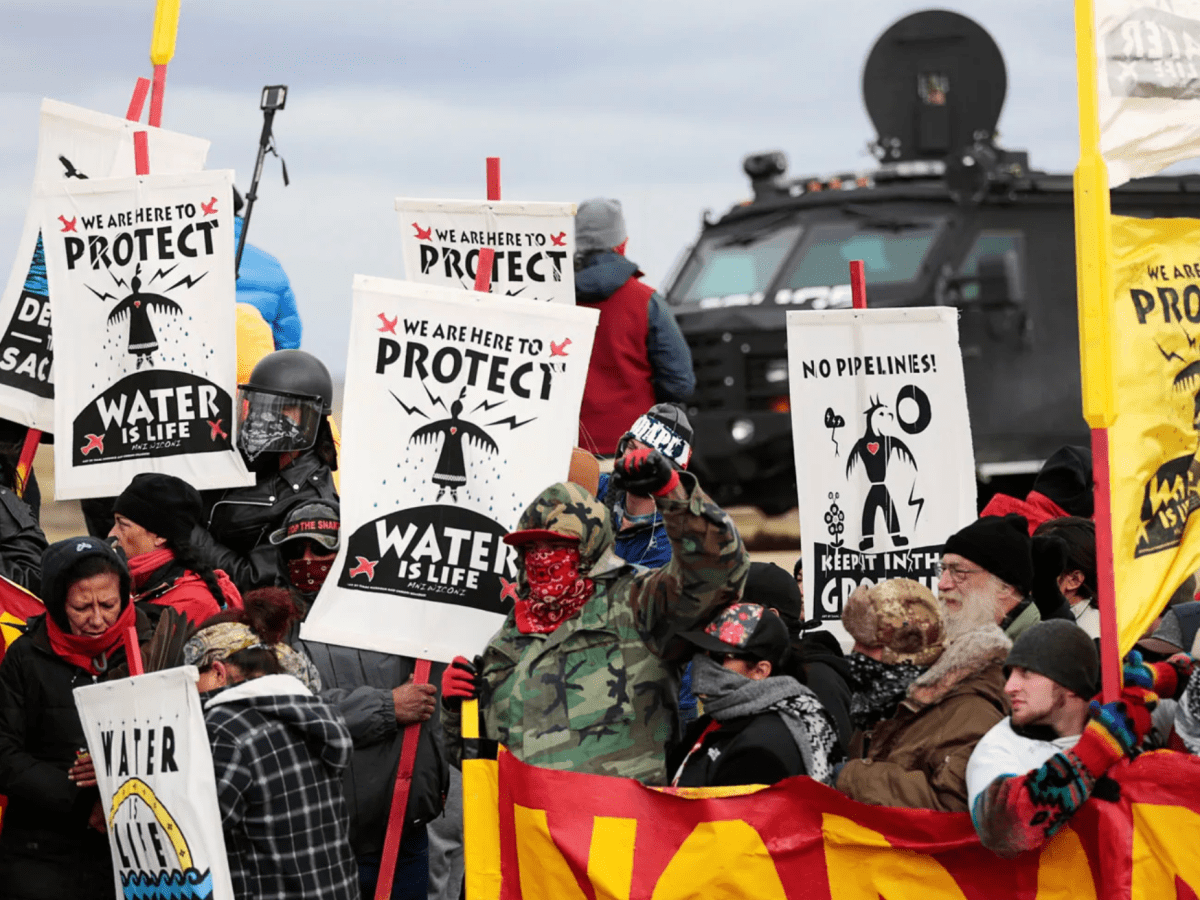
Indigeneity As The World Is Burning: We Can Either Watch The Fire, Or We Can Put Out The Centuries-Old Flames Together
On International Indigenous People’s Day, let’s not romanticise nor dismiss the struggle that will, in the end, liberate us all.
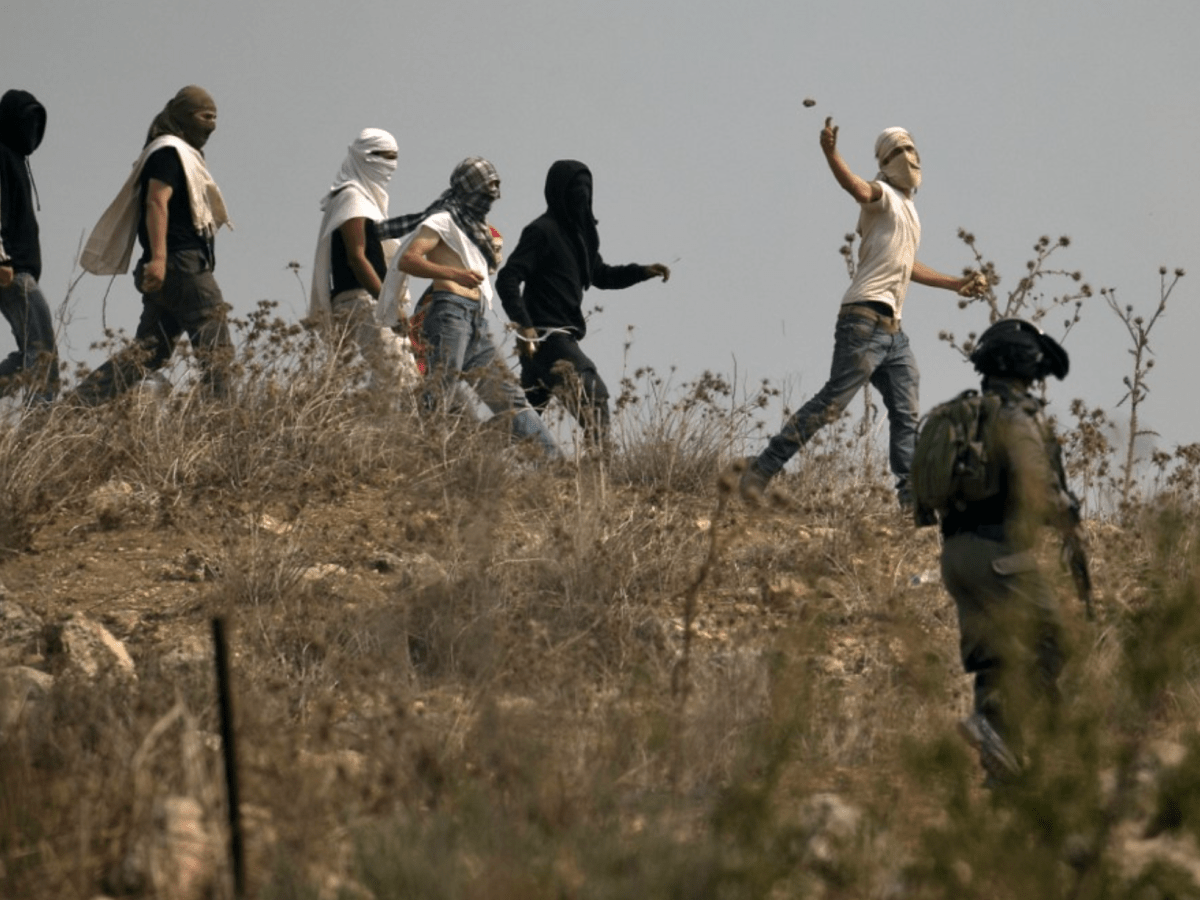
Settler Violence, State Violence: The Daily Terrorism in Palestine
Settler violence is state violence, and it has been on the rise in the West Bank for years. See and speak out against the intensification of pogroms that we’re seeing here now, after one specific deadly attack near Nablus.
 The Exploding Head Media