
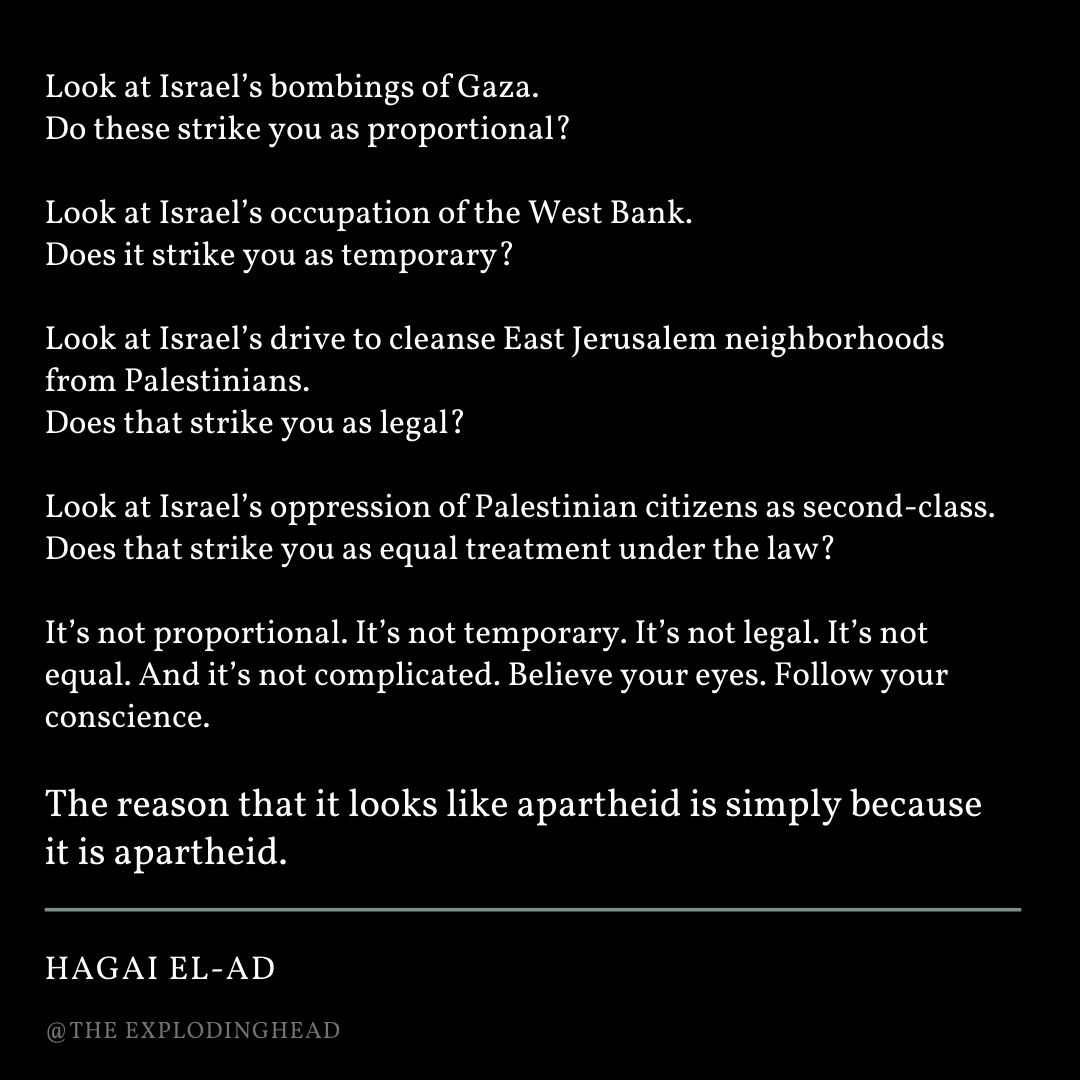
If you’re not an expert on International Law but if Israel’s recent attacks on Gaza looked like war crimes to you, your questions have now been answered.
War crimes: this is what Human Rights Watch has concluded in its recent report.
Before we proceed, I’d like to clarify that ‘war crimes’ is not an accusatory or shaming concept that one can – or should – be throwing around.
I talk about it in my podcast episode on Gaza: the questions we have to ask regarding Israel’s conduct, even if we accept that the occupier is defending itself from the people it is occupying.
Just like International Law is real, war crimes are real in that we have an actual definition for them. This is exactly what HRW was using when investigating what has been happening in Gaza and Israel in May.
In their report, HRW remind us of International Law principles that guide conflicts:
“Deliberate attacks on civilians and civilian objects are prohibited. The laws of war also prohibit indiscriminate attacks, which include attacks that do not distinguish between civilians and military targets or do not target a military objective. Attacks in which the expected harm to civilians and civilian property is disproportionate to the anticipated military gain are also prohibited.
Individuals who commit serious violations of the laws of war with criminal intent – that is, deliberately or recklessly– are responsible for war crimes.”
I highly encourage you to read this article and watch the video that HRW has produced. It’s not an easy video to watch, but, in the end, it’s not about our discomfort, is it?
It’s about identifying what happened in Gaza and pointing to the large scale injustice and suffering that it all has caused.
It’s about making the people of Gaza just a bit more seen.
It’s about turning the people of Gaza from – a concept that award-wining journalist John Pilger likes to use – unpeople to people.
(This is what a recent photo piece by The Guardian on the traumatised children of Gaza tries to do, excruciatingly beautifully.)
If you’re still unsure you’d like to speak out against a crippling 14-year-old siege on Gaza, against bombings of civilian infrastructure, and wiping of entire families out, I encourage you to do so.
Because speaking out against war crimes – on both sides! – shouldn’t be difficult.
And, especially when we talk about Palestine, it is very much needed.
Latest from the Blog

An Interview with Amy Goodman from Democracy Now! That You Cannot Miss
Amy Goodman is a living legend. Her independent media work, her courage, her dedication to amplifying the voices of those who have been silenced, and her love for the world is an example to us all — and an invitation to speak out and uplift each other. Watch this amazing conversation with her now.
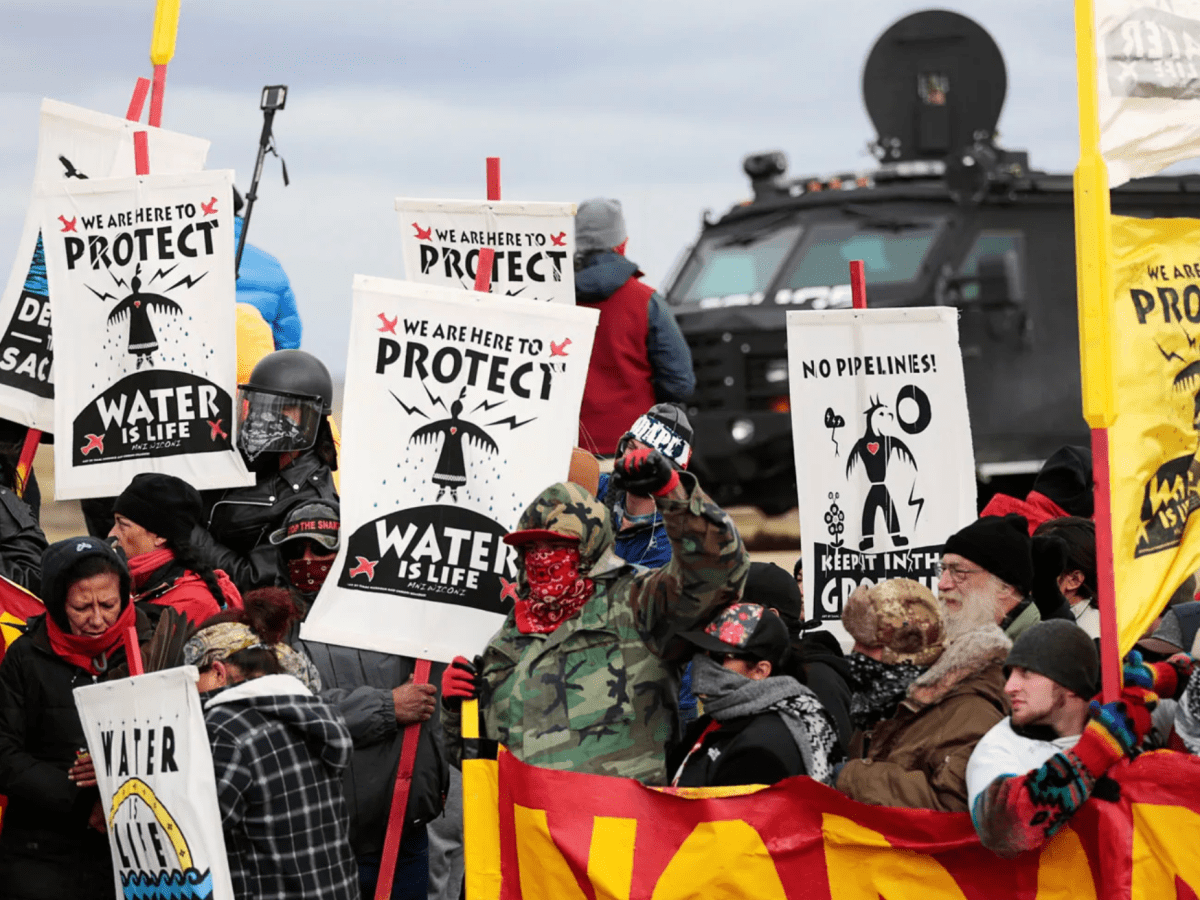
Indigeneity As The World Is Burning: We Can Either Watch The Fire, Or We Can Put Out The Centuries-Old Flames Together
On International Indigenous People’s Day, let’s not romanticise nor dismiss the struggle that will, in the end, liberate us all.
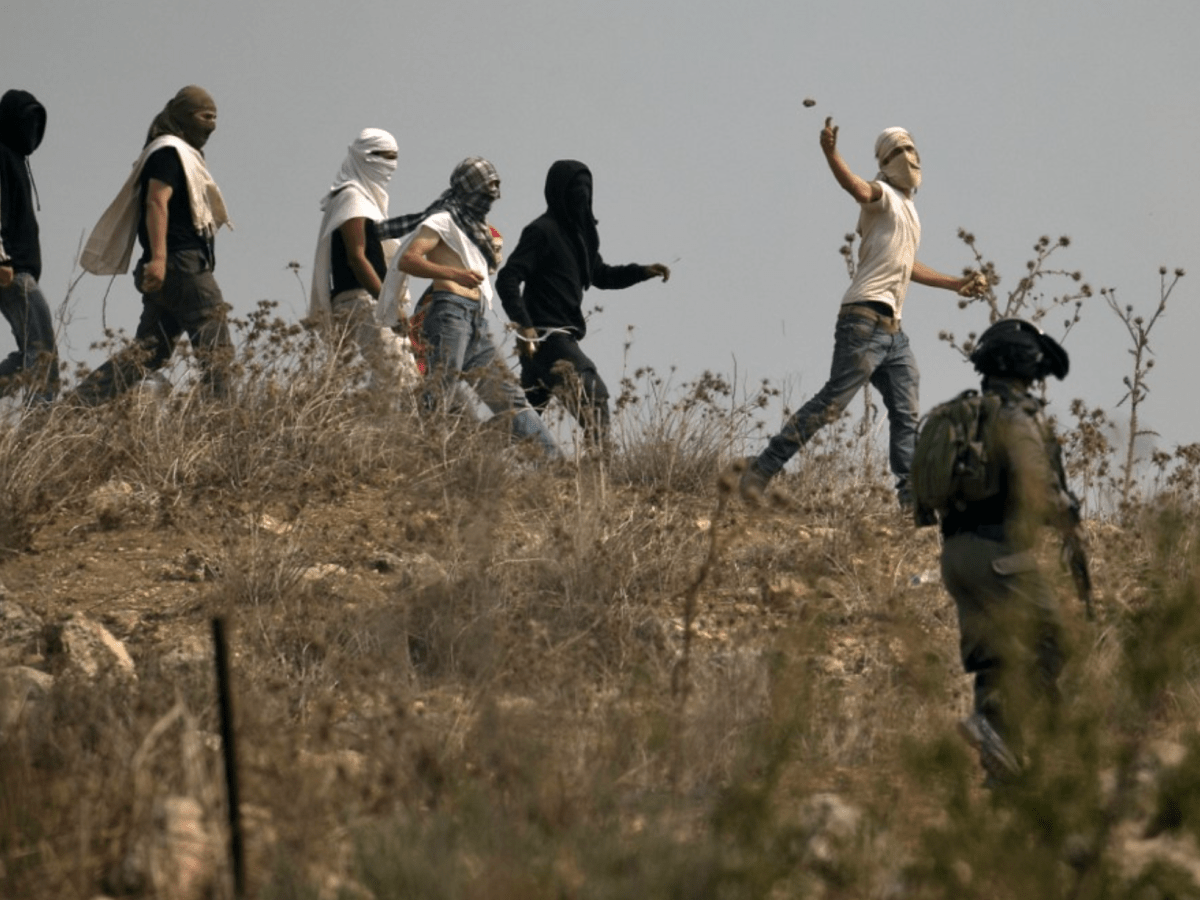
Settler Violence, State Violence: The Daily Terrorism in Palestine
Settler violence is state violence, and it has been on the rise in the West Bank for years. See and speak out against the intensification of pogroms that we’re seeing here now, after one specific deadly attack near Nablus.
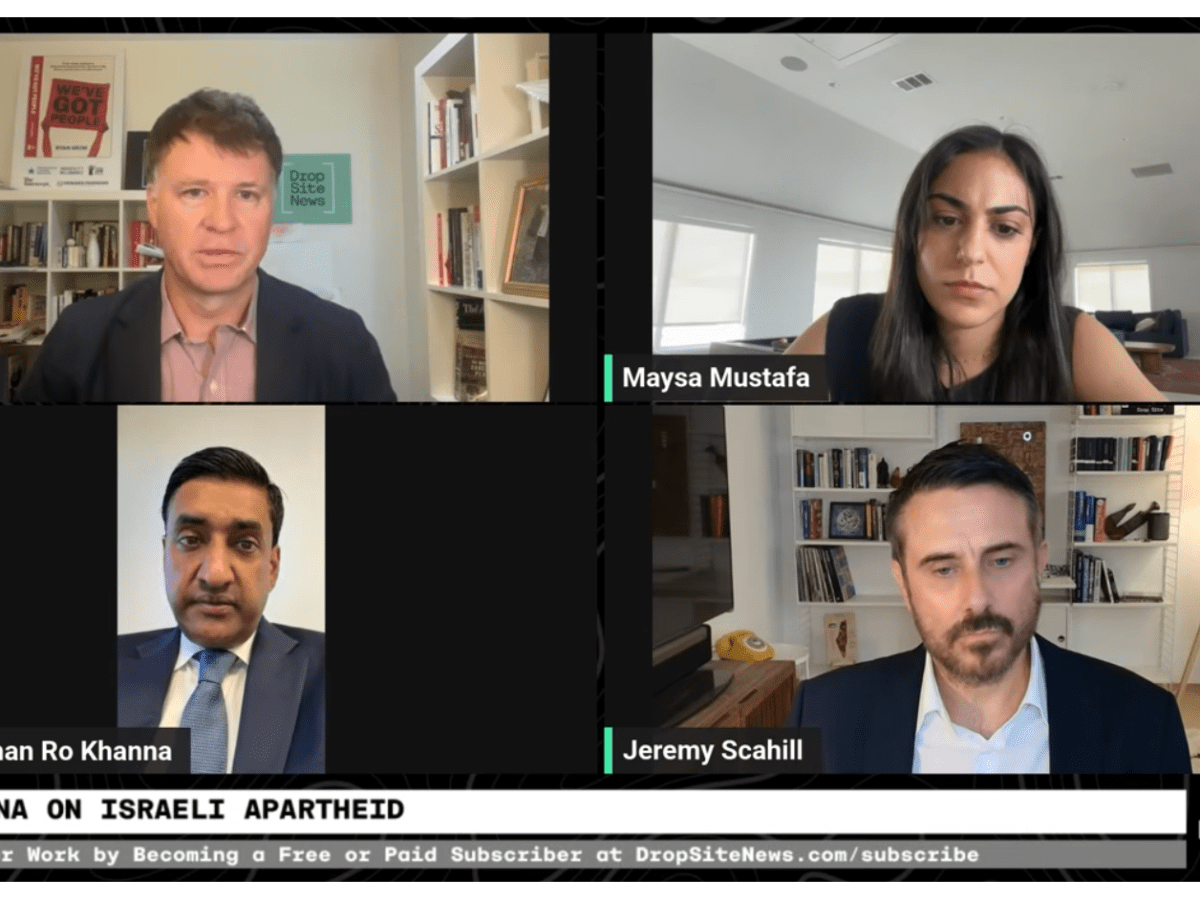
A Must-Watch Interview on Palestinian Armed Resistance and Israel’s Iron Dome
This interview is an absolute must: Jeremy Scahill talks to Senator Ro Khanna about the U.S.’s continuous support for Israel and whether Palestinians, too, have the right to armed resistance. It reveals so much of what we have been seeing: one’s unwillingness to bring full accountability to the Israeli regime.

On Dr. Hussam Abu Safiya And The BBC’s Irresistible Desire to Quote Israel
We’ve had enough of the propaganda of the occupier being repeated by the legacy media. And when it still gives airtime to unsubstantiated claims by the Israeli government regarding Dr. Hussam Abu Safiya even as his life is at risk, we should be enraged.
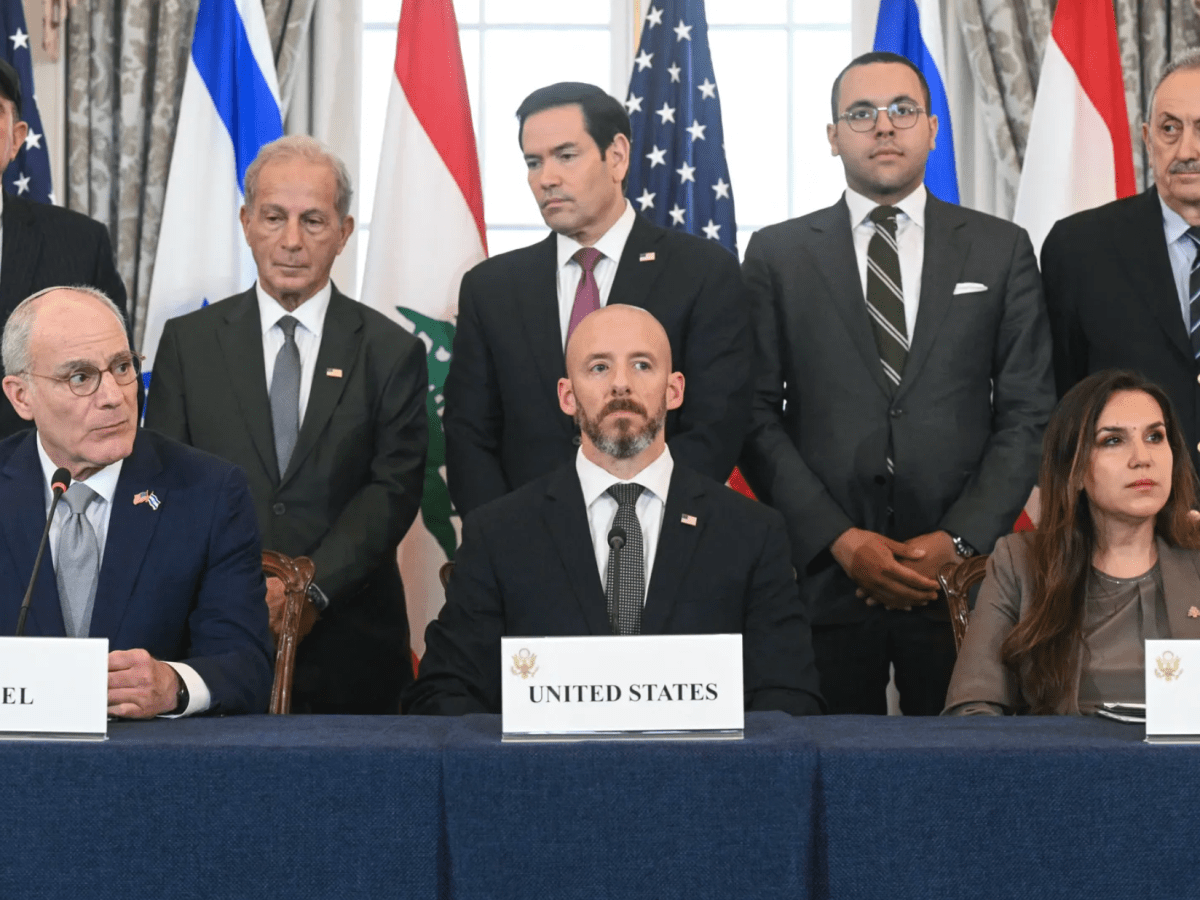
How to Make (No) Sense of The New Lebanese Agreement with Israel
As the Lebanese government signs an agreement with Israel, seemingly disregarding the leverage Iran is currently granting them, what does this all mean? What does it mean for Hezbollah, Lebanese resistance, and the future of the country itself?
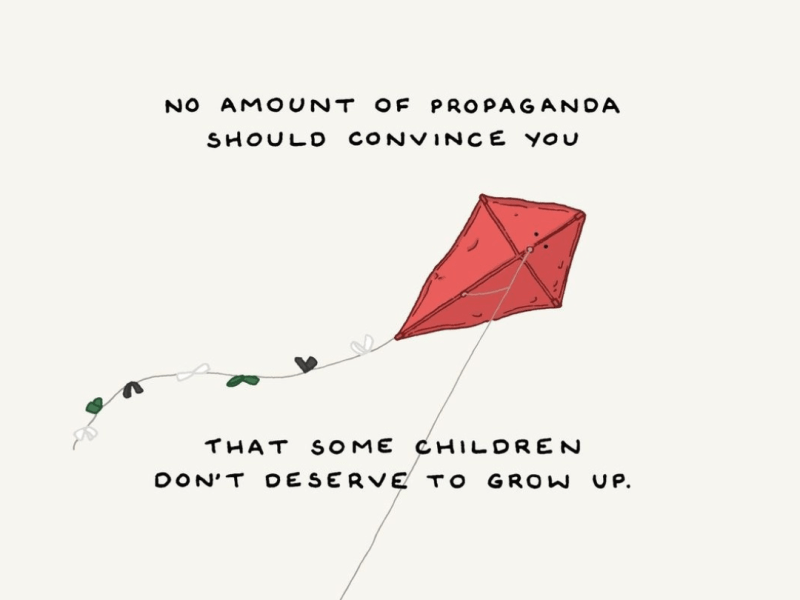
On The Targeting of Children And The Yoga to Treat One’s PTSD afterwards (The Zionist Universe)
In one universe, the army of the occupier is deliberately targeting children and continuing its genocide. In another universe, the same soldiers are portrayed in a way to evoke our compassion. Can you guess which one is a Zionist universe?
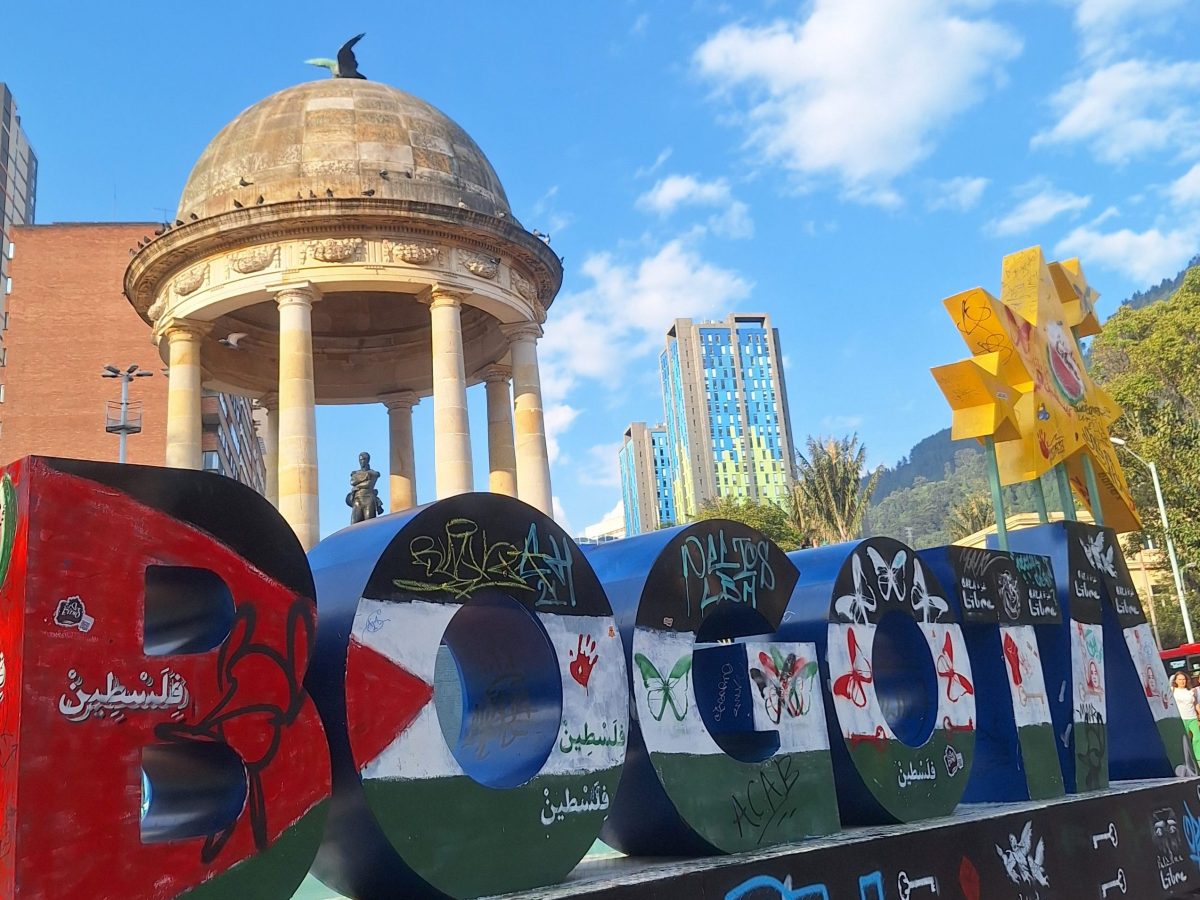
Where The Swings Between A Human-Centric and A Fascist Government Will Stop in Colombia
The results of the presidential elections in Colombia today will determine not only where the country is going, but whether the world will keep a loud anticolonial, anti-imperial, and antizionist government.
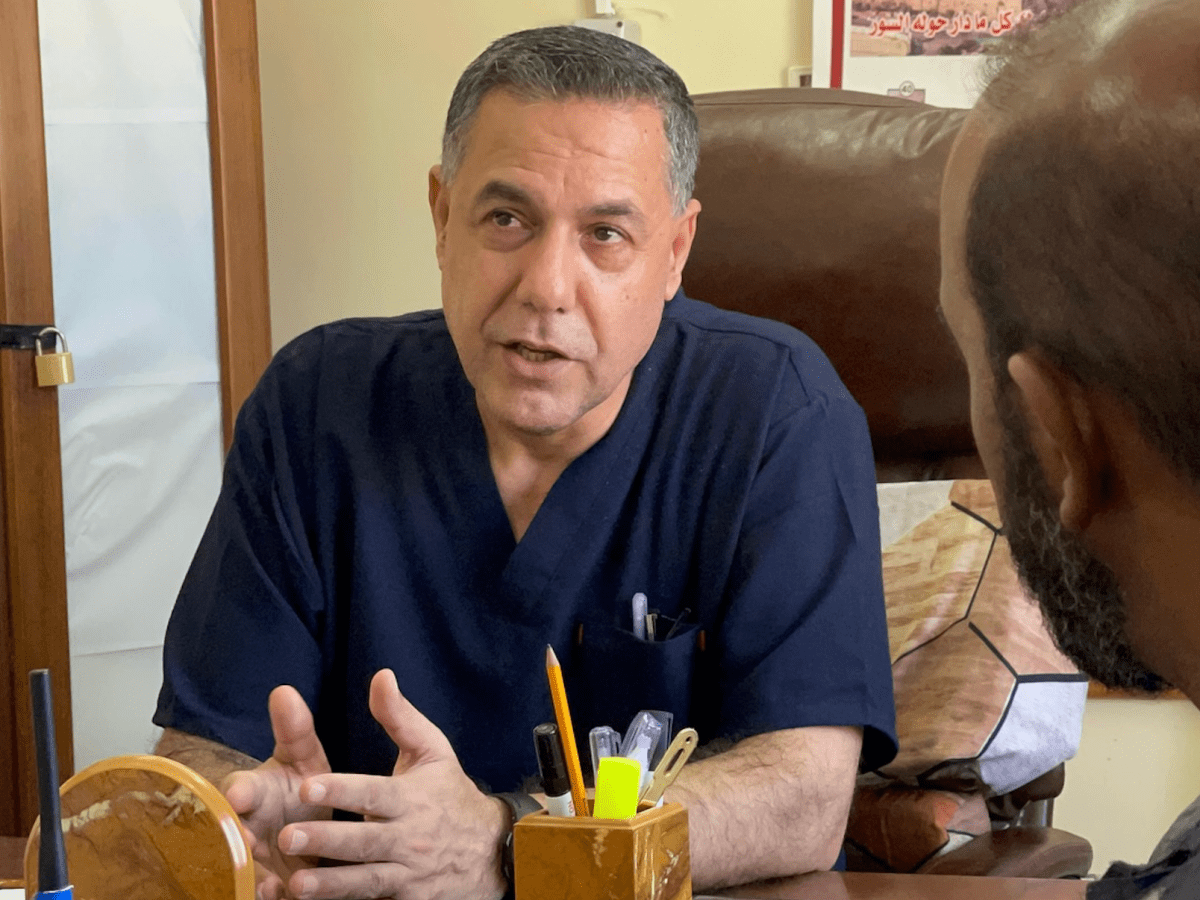
Dr. Hussam Abu Safiya and Palestinian Sumud in The Courts of The Occupier
As Dr. Hussam Abu Safiya appeared via video in the Israeli Supreme Court, I invite you to name what we’re actually seeing: resistance against a fascist apartheid regime, enabled by our governments.

How The World Cup in a Fascist Country Looks, and How Nothing Can Be Expected of FIFA
How the U.S. is treating athletes coming to compete in the World Cup would only be surprising to those who either don’t know too much about rise of fascism in the U.S., or the history of FIFA itself.
Don’t miss an update! Follow The Exploding Head
Get new content delivered directly to your inbox.
 The Exploding Head Media