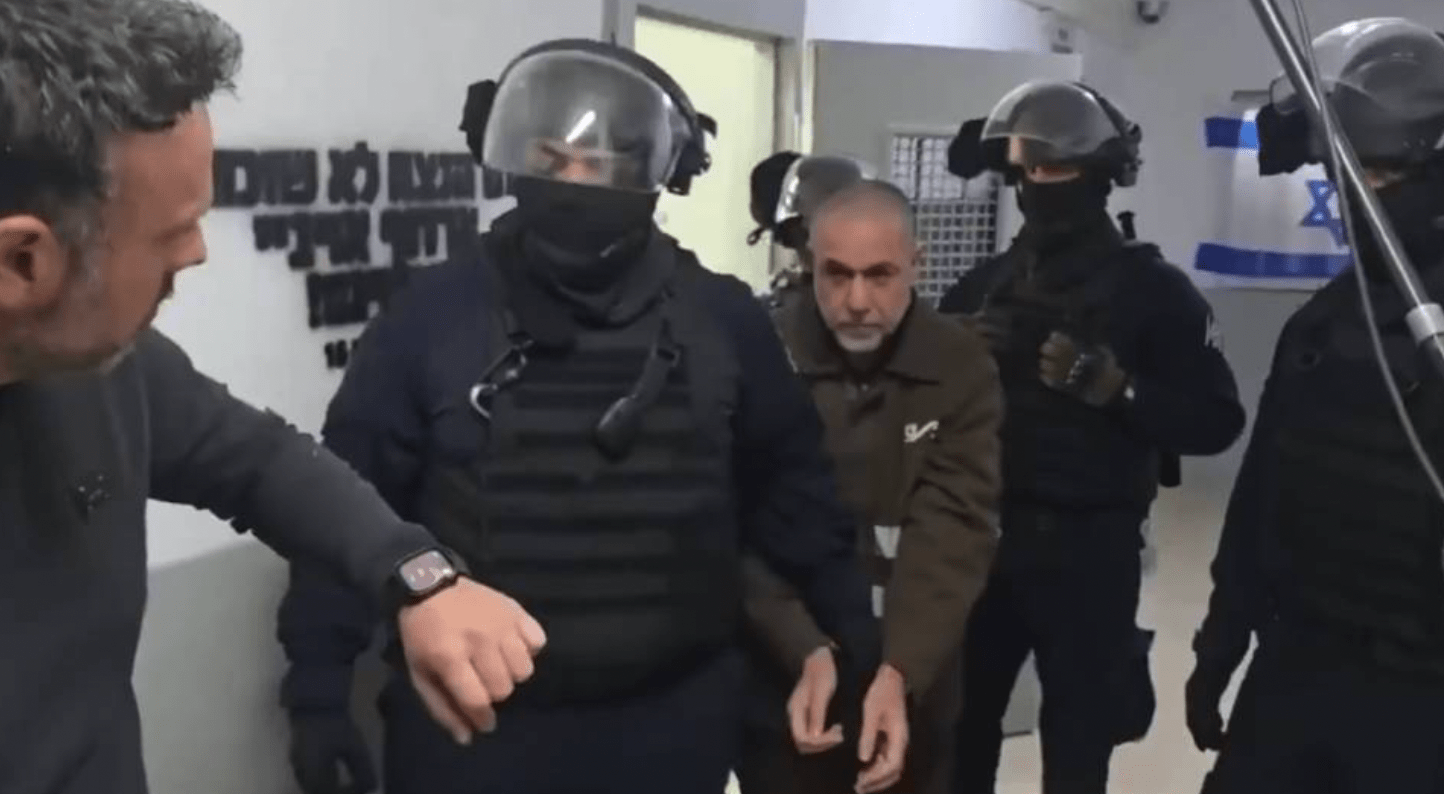
At what point can those who call themselves journalists stop giving airtime to Israel’s unsubstantiated claims?
See how this practice continues even when the life of Dr. Hussam Abu Safiya is at imminent risk.
“They brought me here to kill me” was what Dr. Hussam Abu Safiya told his lawyer during his most recent visit. Dr. Hussam was visibly beaten and barely recognisable.
According to Amnesty International,
Reports of Dr. Hussam Abu Safiya’s deteriorating conditions and the severe abuse he is enduring at the hands of the Israeli Prison Service emerged following a visit by a lawyer for Physicians’ for Human Rights Israel on 2 July 2026.
The lawyer, Nasser Odeh, stated that since Dr. Abu Safiya’s transfer to the notorious underground detention facility Rakevet, he has been subjected to daily beatings, threats and to other forms of abuse.
Attorney Nasser Odeh reported observing fresh bruises and torture marks on Dr. Hussam Abu Safiya’s head and across his body, leaving him barely recognizable. He also said that Dr. Hussam Abu Safiya arrived at their meeting with his hands and feet shackled.
In his chilling account, Nasser Odeh described him as weak and on the verge of losing consciousness. He further reported that Dr. Hussam Abu Safiya told him: “This is the last time you’ll see me…they brought me here to kill me.”
This happened after the failed appeal to Israel’s Supreme Court, after which Dr. Hussam was transferred to Rakevet just a few weeks ago, on June 24, 2026 (see my full video on what this development means).
This news shook the world: we’re seeing a wave of protests, multiple petitions circulating (find three of them at the end of this article), and medical associations making statements, all in an effort to save Dr. Hussam’s life.
The main story, hence, is the urgency of our collective action.
The secondary story, though, is a reminder of what brought us here. What narratives, what justifications being quoted without examination, whose voices (still) platformed, and by what still highly-valued outlets.
See for yourselves what I have in mind.
We have to say it loudly, unapologetically, and with the amount of rage that it calls for: “Israel says” has stopped being journalism years ago.
And anyone who still quotes Israeli state officials knowing their propaganda track record should lose credibility just like those state officials themselves.
Now, I will leave you with three petitions to sign (by CODEPINK, Amnesty International, and Free Dr. Hussam Abu Safiya), and a reminder why we do what we do 💔
As always, stay strong, check on others, and keep your heart open.
❤️💔❤️
Justina
PS. If you’re able and willing, I invite you to support my friend’s fundraiser here.
PPS. See what I have for you starting in July: my second workshop on launching a political podcast (July 14), my anticolonial English classes, and anticolonial mental health conversations.
Don’t miss my posts – receive them directly to your inbox:
Latest from the Blog
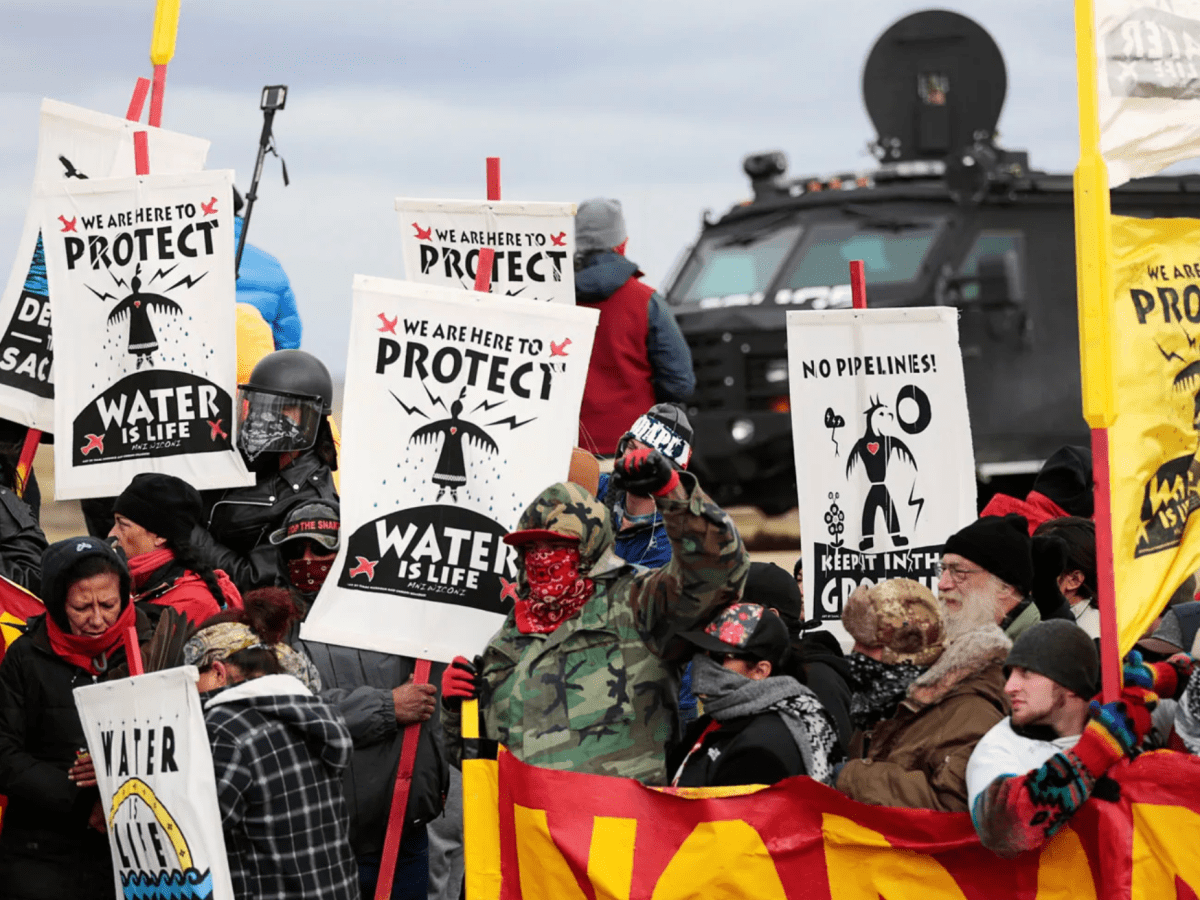
Indigeneity As The World Is Burning: We Can Either Watch The Fire, Or We Can Put Out The Centuries-Old Flames Together
On International Indigenous People’s Day, let’s not romanticise nor dismiss the struggle that will, in the end, liberate us all.
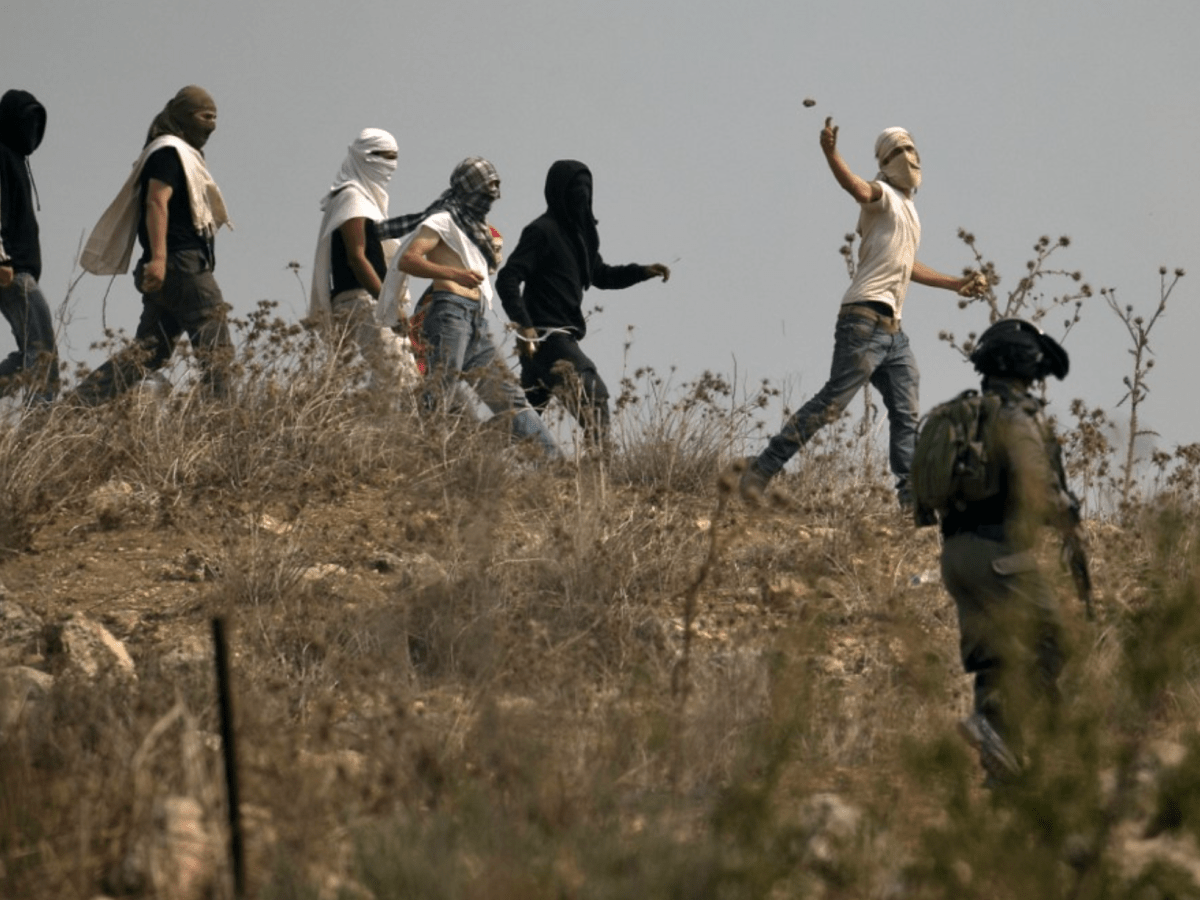
Settler Violence, State Violence: The Daily Terrorism in Palestine
Settler violence is state violence, and it has been on the rise in the West Bank for years. See and speak out against the intensification of pogroms that we’re seeing here now, after one specific deadly attack near Nablus.
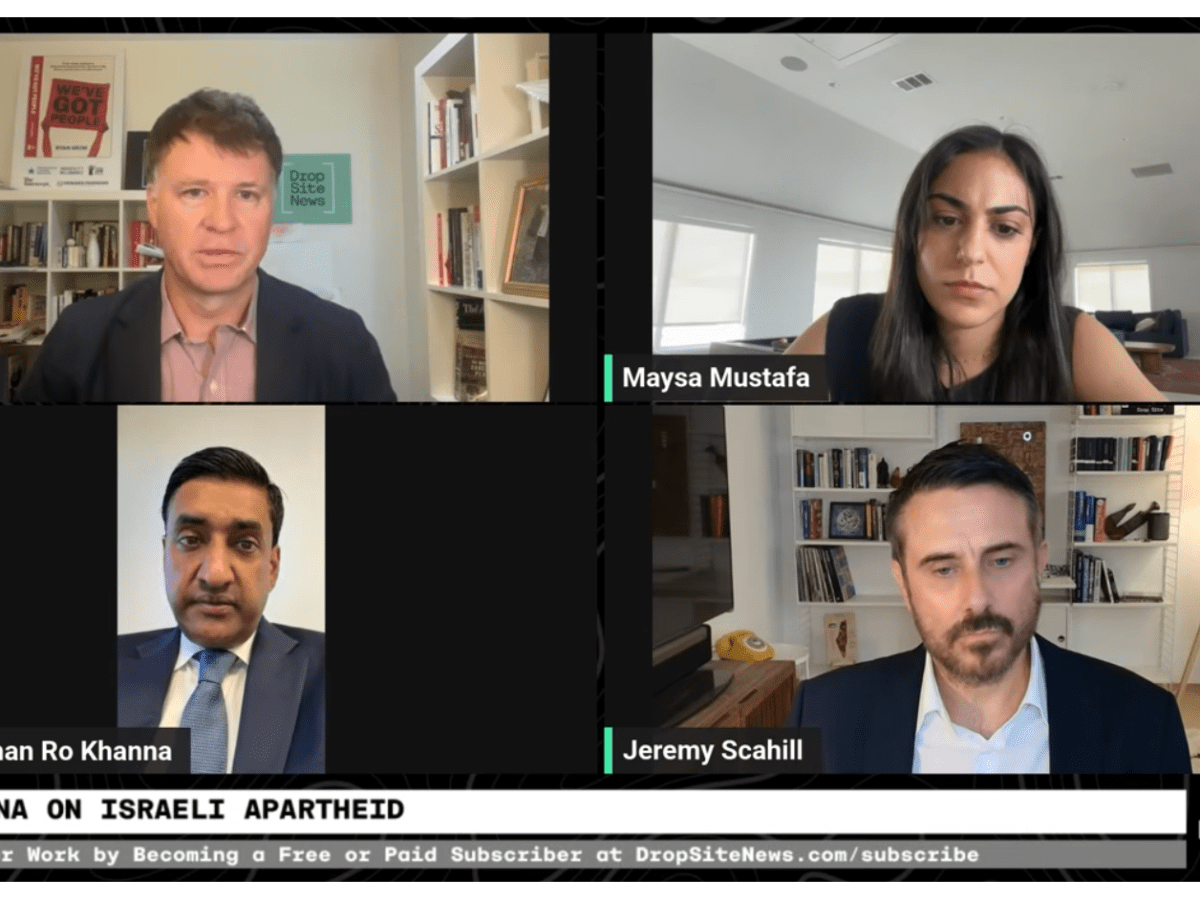
A Must-Watch Interview on Palestinian Armed Resistance and Israel’s Iron Dome
This interview is an absolute must: Jeremy Scahill talks to Senator Ro Khanna about the U.S.’s continuous support for Israel and whether Palestinians, too, have the right to armed resistance. It reveals so much of what we have been seeing: one’s unwillingness to bring full accountability to the Israeli regime.
 The Exploding Head Media